Pressure-resistant Sealing of Electrical Breakdown High Voltage Power Supply for Sediment Sampling in Full Ocean Depth Lander
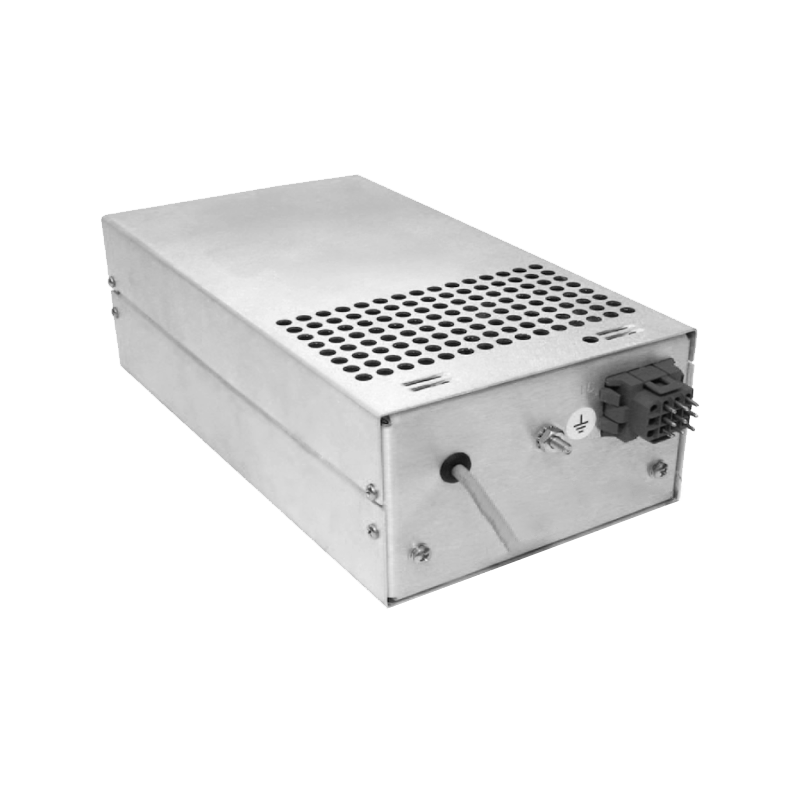
Full ocean depth landers enable scientific exploration of the deepest ocean trenches. Sediment sampling requires electrical breakdown techniques to collect samples from the seafloor. The high voltage power supply for electrical breakdown must operate reliably under extreme hydrostatic pressure. Pressure-resistant sealing is critical for protecting the power supply from water intrusion. Understanding the sealing requirements enables development of reliable deep-sea power supplies.
Full ocean depth conditions present extreme challenges. The maximum ocean depth exceeds 10,000 meters. The hydrostatic pressure at this depth exceeds 1,000 atmospheres. The temperature is near freezing. The environment is corrosive due to seawater. The equipment must survive deployment and recovery. The conditions demand robust design.
Sediment sampling using electrical breakdown involves controlled discharge. A high voltage electrode is inserted into the sediment. An electrical discharge breaks down the sediment structure. The breakdown releases gases and fluids from the sediment. The released materials are collected for analysis. The discharge energy determines the sampling effectiveness.
High voltage requirements for electrical breakdown are significant. Typical voltages range from several to tens of kilovolts. The voltage must overcome the breakdown threshold of the sediment. The pulse energy determines the breakdown extent. The power supply must generate the required voltage under pressure. The power supply must be compact for lander integration.
Pressure-resistant sealing principles involve multiple barriers. The primary seal prevents water intrusion under pressure. Secondary seals provide backup protection. The seal design must accommodate pressure cycling. The seals must function at low temperature. The sealing materials must be compatible with the environment. The sealing must be reliable for the mission duration.
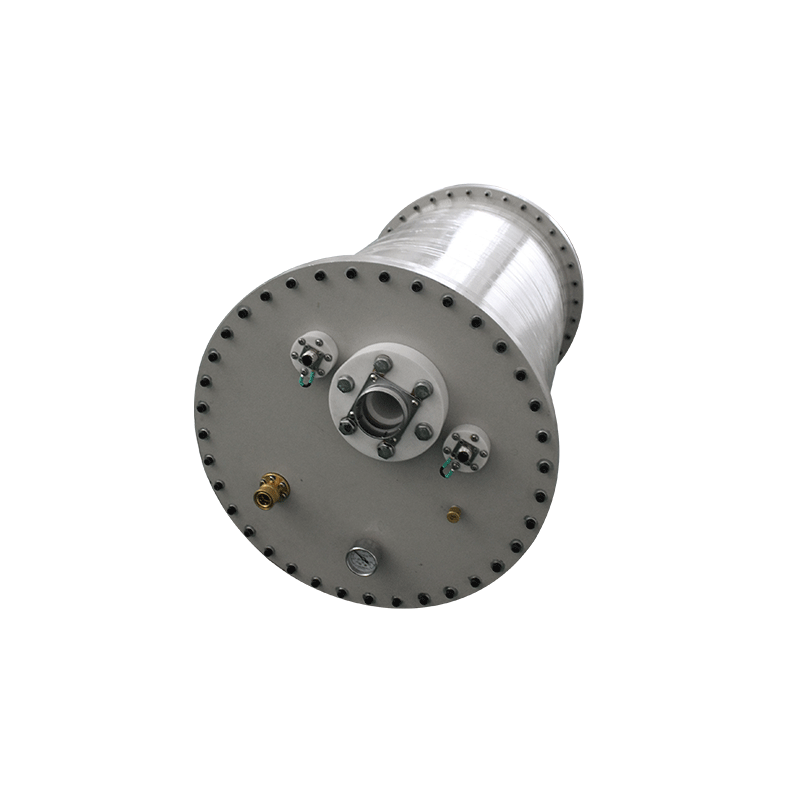
Housing design for pressure resistance requires careful engineering. The housing must withstand the external pressure without collapse. The wall thickness depends on the material strength. The design must minimize weight for lander payload. The housing must provide mounting for electrical feedthroughs. The housing must enable internal component access.
Material selection for pressure housings includes several options. Titanium provides excellent strength-to-weight ratio. Aluminum alloys provide economical solutions for moderate depths. Stainless steel provides good strength and corrosion resistance. Composite materials offer weight advantages. The material selection must consider all requirements.
Electrical feedthrough design is critical for high voltage connections. The feedthrough must maintain insulation under pressure. The feedthrough must seal against water intrusion. The feedthrough must handle the high voltage stress. The feedthrough must be reliable under pressure cycling. The feedthrough design is often the limiting factor.
Connector sealing for underwater applications requires attention. The connectors must maintain sealing when mated. The connectors must seal when unmated for deployment. The sealing must accommodate connector tolerances. The connector materials must be compatible with seawater. The connectors must be reliable for the application.
Internal pressure management affects the sealing design. The internal air pressure changes with temperature. The pressure differential affects the seals. Pressure compensation may be required. Oil filling can provide pressure equalization. The internal pressure must be managed appropriately.
Thermal management in sealed housings presents challenges. The power supply generates heat during operation. The heat must be dissipated through the housing. The external water provides cooling. The thermal path must be designed. The internal temperature must remain acceptable.
Testing of pressure-resistant sealing requires specialized facilities. Pressure chambers simulate the deep-sea conditions. The testing must cover the full pressure range. The testing must include pressure cycling. Long-duration testing verifies the sealing reliability. The testing must be comprehensive for confidence.
Quality assurance for sealing is critical. Visual inspection verifies the seal installation. Leak testing verifies the sealing integrity. Pressure testing verifies the housing strength. The quality assurance must be rigorous. The documentation must support the reliability claims.
Maintenance considerations affect the sealing design. The seals may require replacement between missions. The housing must enable seal access. The maintenance procedures must be defined. The maintenance must be practical for field operations. The maintenance program must support the mission requirements.