Power Supply Parameters for High Voltage Pulsed Electric Field Treatment of Wine Affecting Aging Process
High voltage pulsed electric field treatment has emerged as an innovative technology for accelerating the aging process of wine and other alcoholic beverages. The application of short, high-intensity electric pulses can modify the chemical composition and physical properties of wine, producing effects similar to traditional aging in a fraction of the time. The power supply parameters, including voltage, pulse width, frequency, and treatment duration, significantly affect the treatment outcomes and must be optimized for specific wine types and desired characteristics.
Traditional wine aging occurs through slow chemical reactions that modify the flavor, aroma, and mouthfeel of the wine. These reactions include oxidation, esterification, polymerization, and the extraction of compounds from barrel wood. The aging process can take months to years, representing a significant investment of time and capital for wineries. Accelerated aging technologies can reduce this time while producing similar sensory characteristics.
Pulsed electric field treatment applies high voltage pulses to the wine as it flows through a treatment chamber. The electric field causes electroporation of cells and tissues, releases bound compounds, and can accelerate chemical reactions through various mechanisms. The treatment is non-thermal, avoiding the flavor changes associated with heat treatment. The effect on the wine depends on the electric field parameters and the treatment protocol.
The electric field strength is a primary parameter affecting the treatment outcome. The field strength is determined by the applied voltage and the electrode geometry. Higher field strengths produce more intense electroporation and greater effects on the wine chemistry. However, excessive field strength can cause undesirable effects such as electrolysis or excessive oxidation. Typical field strengths for wine treatment range from tens to hundreds of kilovolts per centimeter.
The pulse width affects the energy delivered per pulse and the mechanism of interaction with the wine. Shorter pulses, typically microseconds or less, primarily cause electroporation without significant heating. Longer pulses, milliseconds or more, can cause both electroporation and electrochemical effects. The optimal pulse width depends on the desired treatment effects and the wine composition.
The pulse frequency, or repetition rate, affects the total energy delivered per unit volume of wine. Higher frequencies deliver more pulses during the residence time in the treatment chamber, increasing the treatment intensity. However, higher frequencies also increase the power consumption and may cause cumulative heating. The frequency must be optimized for the specific treatment objectives.
The treatment duration, or the total exposure time of the wine to the electric field, affects the cumulative effect. Longer treatment times deliver more energy and produce greater changes in the wine. However, excessive treatment can over-process the wine, producing undesirable characteristics. The treatment duration is typically controlled by adjusting the flow rate through the treatment chamber.
The pulse waveform affects the treatment efficiency and the wine quality. Square pulses provide constant field strength during the pulse, simplifying the analysis of treatment effects. Exponential decay pulses from capacitor discharge are easier to generate but have varying field strength during the pulse. Bipolar pulses alternate the field direction and may reduce electrode polarization and electrochemical effects.
The treatment chamber design affects the electric field distribution and the treatment uniformity. Parallel plate electrodes produce a uniform field in the gap between the plates. Coaxial electrodes produce a radial field that varies with position. The chamber geometry must ensure that all wine receives the intended treatment while maintaining adequate flow capacity for production throughput.
Temperature control during treatment is important for maintaining wine quality. Although pulsed electric field treatment is non-thermal, the energy dissipation can cause temperature rise. The temperature increase depends on the treatment parameters and the cooling system. Temperature monitoring and control ensure that the wine is not exposed to excessive heat.
Sensory evaluation determines the effectiveness of the treatment in producing desired aging characteristics. Trained panelists evaluate the aroma, flavor, mouthfeel, and overall quality of treated wines. Chemical analysis quantifies the changes in specific compounds such as esters, aldehydes, and phenolics. Correlation of sensory and chemical results with power supply parameters guides the optimization of the treatment protocol.
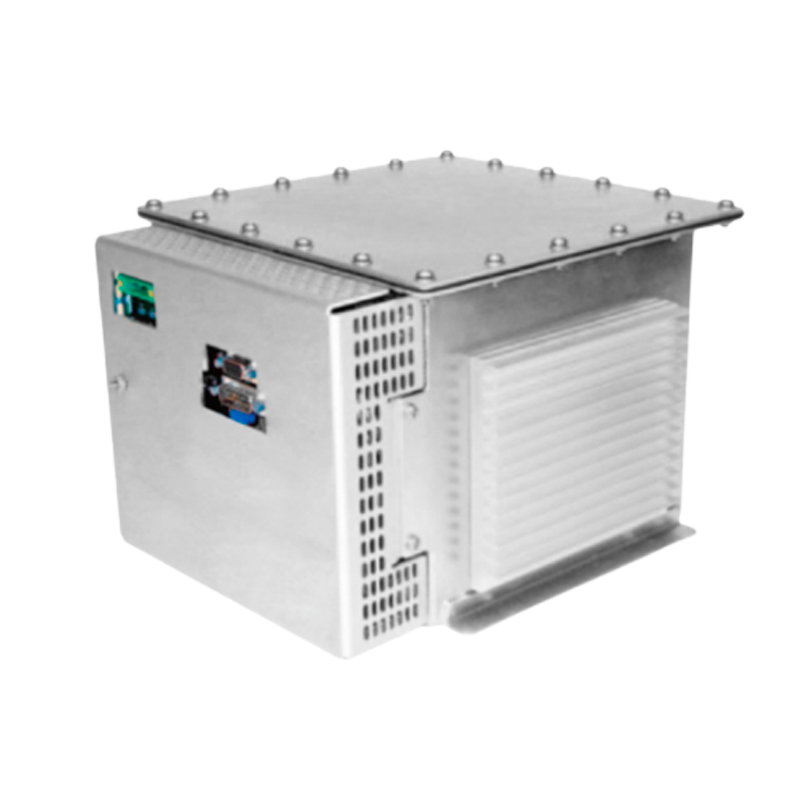
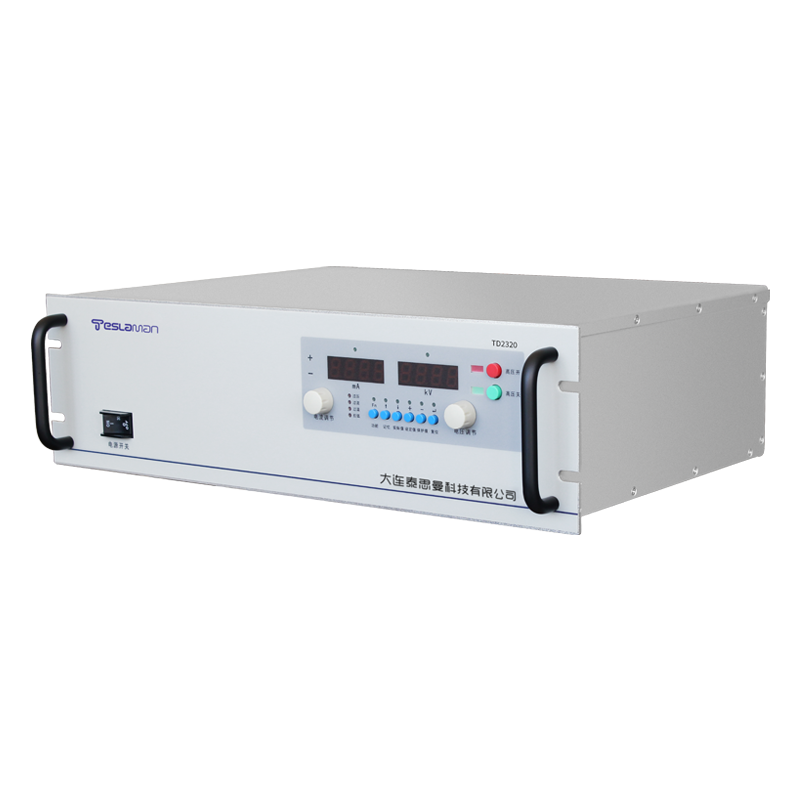
Scale-up considerations affect the design of production-scale treatment systems. Laboratory-scale results must be translated to larger systems with higher throughput. The power supply must provide the required voltage and current for larger treatment chambers. The treatment uniformity must be maintained at higher flow rates. The system design must be practical for winery installation and operation.