Preliminary Investigation on Physiological Mechanism of High Voltage Electrostatic Field Promoting Crop Root Growth
The application of high voltage electrostatic fields in agriculture has attracted increasing attention as a potential method for enhancing crop growth and yield. Among the various effects reported, the promotion of root development by electrostatic field exposure has significant implications for crop establishment, nutrient uptake, and stress tolerance. Understanding the physiological mechanisms underlying this effect is essential for optimizing the treatment protocols and realizing practical applications in agriculture.
Plant roots are essential organs that anchor the plant, absorb water and nutrients, and interact with soil microorganisms. Root development is regulated by complex signaling networks involving hormones, nutrients, and environmental cues. The root system architecture, including the number, length, and branching of roots, determines the plant ability to explore the soil volume and access resources. Factors that promote root development can enhance plant growth and resilience.
Electrostatic fields can affect biological systems through various mechanisms. The electric field exerts forces on charged molecules and structures within cells. The field can influence membrane potentials, ion transport, and the orientation of polar molecules. The field can also induce currents in conductive tissues and generate reactive oxygen species through electrochemical reactions. These primary effects can trigger secondary responses through signaling cascades.
The effect of electrostatic fields on root growth may involve changes in hormone distribution or signaling. Auxin is a key hormone that regulates root development, controlling cell division, elongation, and differentiation. The polar transport of auxin from the shoot to the root creates concentration gradients that guide root patterning. Electrostatic fields could potentially influence auxin transport by affecting the activity of auxin transport proteins or the polarization of auxin-transporting cells.
Ion transport is fundamental to root function and development. Roots absorb nutrients from the soil through ion channels and transporters in the plasma membrane. The activity of these transport proteins is influenced by the membrane potential, which could be affected by the external electrostatic field. Changes in ion uptake could alter the nutrient status of the plant and affect root growth patterns.
Calcium signaling plays a central role in plant responses to environmental stimuli. Changes in cytosolic calcium concentration trigger downstream responses through calcium-binding proteins. Mechanical stimulation, temperature changes, and other stresses induce calcium transients that regulate gene expression and cellular responses. Electrostatic fields could potentially induce calcium transients through effects on membrane channels or through direct interaction with calcium ions.
Reactive oxygen species are generated in plants under various stresses and act as signaling molecules at low concentrations. Electrostatic fields could induce reactive oxygen species production through electrochemical reactions or through stimulation of enzymatic sources. The reactive oxygen species could then activate signaling pathways that regulate root growth and stress responses.
Gene expression changes may underlie the long-term effects of electrostatic field exposure on root development. Transcriptome analysis can identify genes that are upregulated or downregulated by field exposure. Genes involved in hormone signaling, cell division, cell wall modification, and stress responses are particularly relevant to root development. The gene expression patterns can provide clues about the signaling pathways activated by electrostatic fields.
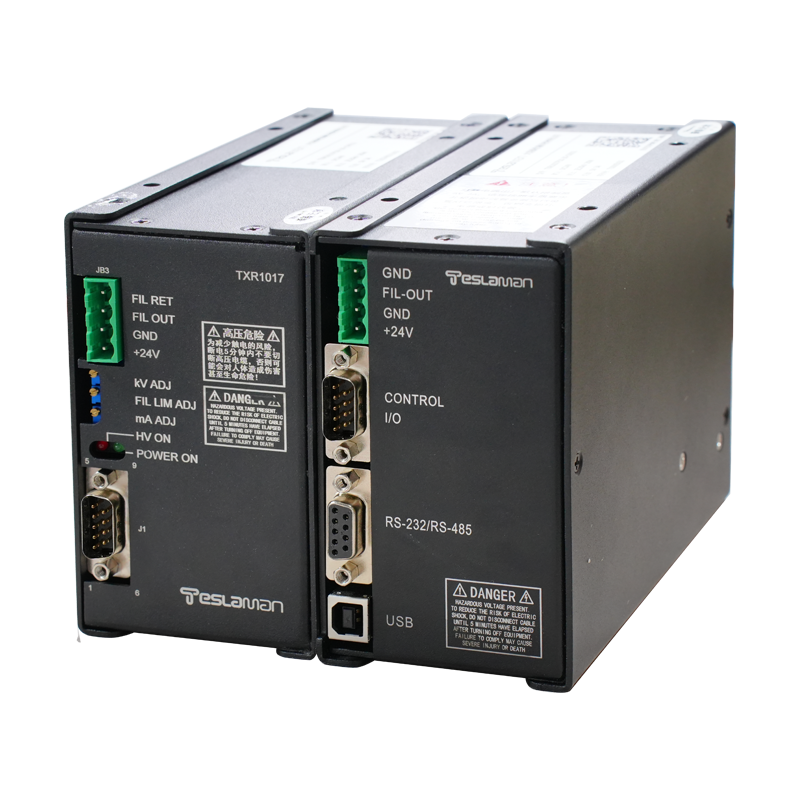
Experimental investigation of the physiological mechanisms requires controlled exposure systems. The electrostatic field must be generated uniformly across the plant samples to ensure consistent treatment. The field strength, duration, and timing of exposure must be precisely controlled. The experimental design must account for potential confounding factors such as ozone generation, temperature changes, and light effects.
Measurement of root growth parameters provides quantitative assessment of the electrostatic field effects. Total root length, root number, root diameter, and root branching density can be measured using image analysis techniques. Time-lapse imaging can capture the dynamics of root growth during and after field exposure. Comparison of treated and control plants reveals the magnitude and timing of the growth promotion effect.
Physiological measurements can probe the mechanisms underlying the growth promotion. Hormone levels can be measured using chromatographic or immunoassay techniques. Ion content can be measured using atomic absorption or inductively coupled plasma spectroscopy. Reactive oxygen species can be detected using fluorescent probes or biochemical assays. These measurements can identify the biochemical changes associated with electrostatic field exposure.
The practical application of electrostatic field treatment in agriculture requires optimization of the treatment parameters. The field strength, duration, and timing must be optimized for different crop species and growth stages. The treatment must be compatible with other agricultural practices and must provide economic benefits that justify the implementation cost. Field trials under realistic conditions are essential for validating the laboratory findings and demonstrating practical utility.