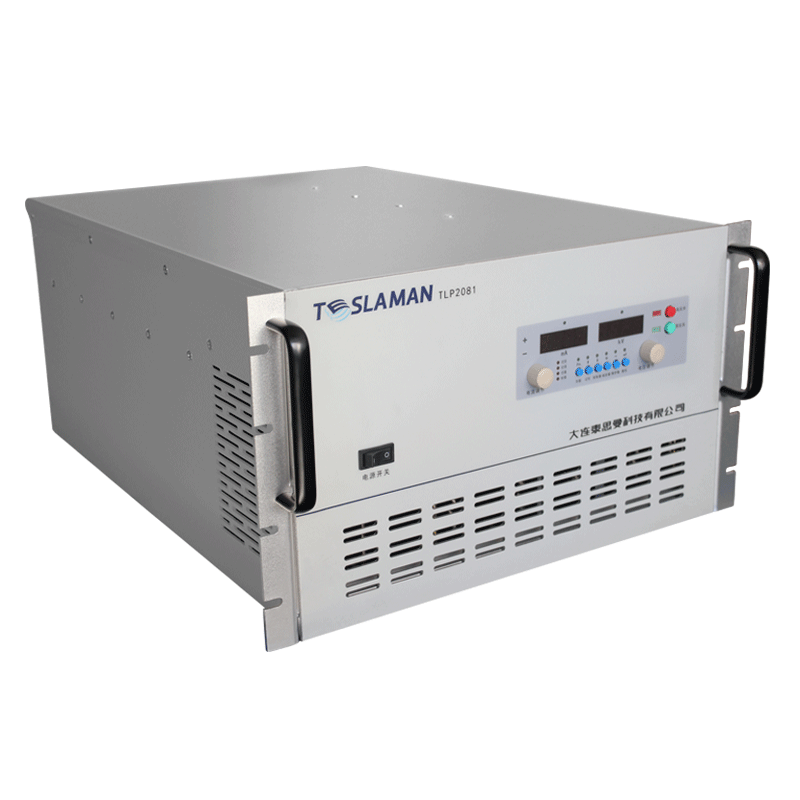
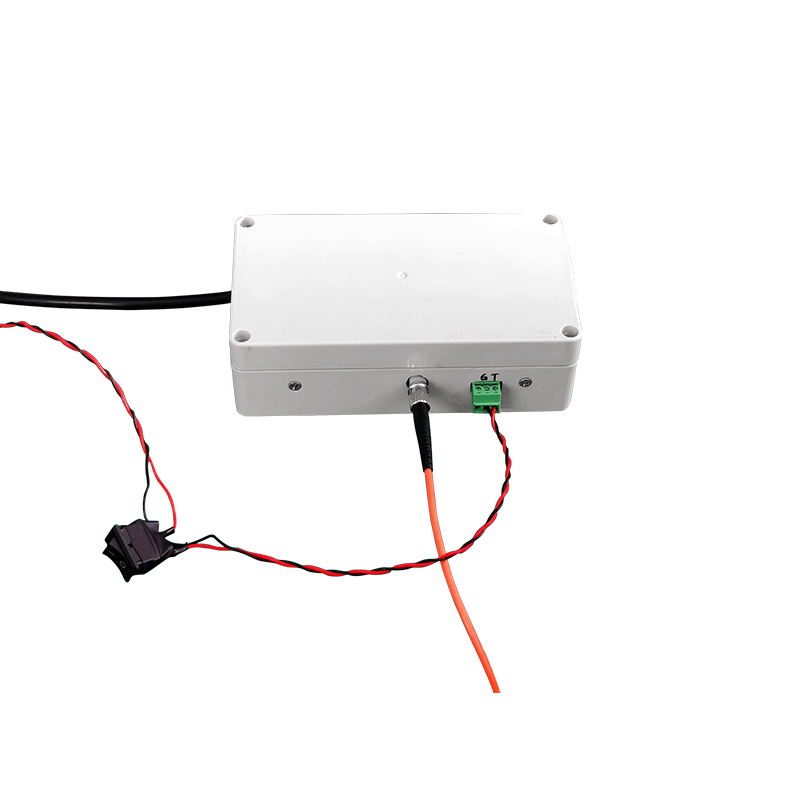
Power Density Enhancement and Innovative Heat Dissipation Scheme for Magnetron Sputtering Coating High Voltage Power Supply
Magnetron sputtering has become one of the most widely used physical vapor deposition techniques for producing thin films in applications ranging from semiconductor manufacturing to decorative coatings. The high voltage power supply that drives the magnetron discharge directly influences the deposition rate, film quality, and process efficiency. Enhancing the power density while maintaining reliable thermal management represents a critical challenge in advancing magnetron sputtering technology.
The magnetron sputtering process operates by applying a high voltage to a cathode target material in the presence of an inert gas, typically argon. The electric field accelerates electrons, which ionize the gas atoms through collisions. The resulting positive ions are accelerated toward the negatively biased cathode, striking the target surface with sufficient energy to eject target atoms. These ejected atoms travel through the plasma and condense on the substrate, forming a thin film.
Power density in magnetron sputtering refers to the power delivered per unit area of the target surface. Higher power densities increase the sputtering rate, enabling faster deposition and higher throughput. However, increased power density also increases the heat load on the target, the magnets, and the power supply components. Managing this heat is essential for maintaining stable operation and preventing component failure.
The high voltage power supply for magnetron sputtering typically operates in the range of several hundred volts to about one kilovolt, with currents ranging from a few amperes to tens of amperes depending on the target size and the desired deposition rate. The power supply must provide stable output with good regulation to maintain consistent plasma conditions. Arc handling capability is essential, as arcs can occur during the sputtering process and must be quickly suppressed to prevent target damage.
Enhancing power density requires improvements in both the power supply design and the thermal management system. The power supply must be capable of delivering higher currents while maintaining efficiency and reliability. The thermal management system must remove the increased heat load while maintaining acceptable component temperatures.
Advanced power supply topologies enable higher power density operation. Switching converters using modern semiconductor devices can achieve higher power densities than traditional linear supplies. Silicon carbide and gallium nitride devices offer superior performance compared to silicon devices, enabling higher switching frequencies and higher power densities. The reduced switching losses of wide bandgap devices improve efficiency and reduce the thermal load on the power supply.
Innovative heat dissipation schemes address the increased thermal management requirements. Traditional air cooling may be insufficient for high power density operation. Liquid cooling provides superior heat removal and is increasingly used in high performance magnetron sputtering systems. Direct liquid cooling of critical components, including the power semiconductors and the transformer, enables efficient heat removal with minimal thermal resistance.
Microchannel heat sinks represent an advanced cooling technology for high power density applications. These heat sinks use channels with dimensions on the order of hundreds of micrometers to achieve high heat transfer coefficients. The large surface area to volume ratio of microchannels enables efficient heat removal from small, high power devices. Integration of microchannel cooling directly into power semiconductor packages can further reduce thermal resistance.
Two-phase cooling uses the latent heat of vaporization to achieve very high heat transfer rates. The coolant evaporates at the hot surface, absorbing large amounts of heat with minimal temperature rise. The vapor is then condensed and returned to the cooling loop. Two-phase cooling can achieve heat transfer coefficients significantly higher than single-phase liquid cooling, enabling compact thermal management solutions.
The target cooling in magnetron sputtering presents unique challenges. The target receives direct ion bombardment, which deposits substantial heat. Efficient target cooling is essential for maintaining target integrity and preventing melting or cracking. Water cooling channels behind the target remove the heat, but the thermal resistance through the target material limits the cooling effectiveness. Thinner targets reduce this thermal resistance but have shorter usable life.
Thermal modeling and simulation enable optimization of the heat dissipation system. Computational fluid dynamics simulations predict the cooling flow patterns and heat transfer coefficients. Finite element thermal models predict the temperature distribution in the power supply components and the target. These simulations enable design optimization before hardware fabrication, reducing development time and cost.
The integration of the power supply thermal management with the overall system cooling affects the installation requirements and operating costs. Self-contained cooling systems simplify installation but may have limited capacity. Connection to facility cooling water provides essentially unlimited cooling capacity but requires plumbing and may introduce contamination concerns. The choice depends on the specific application requirements and facility infrastructure.