Electrode Lifetime and Efficiency of High Voltage Pulse Power Supply for Electrochemical Wastewater Treatment
Electrochemical wastewater treatment uses electrical current to drive reactions that degrade pollutants or remove contaminants. High voltage pulse power supplies can enhance the treatment efficiency compared to conventional DC operation. The electrode lifetime and treatment efficiency are key performance parameters that depend on the power supply characteristics and the operating conditions.
Electrochemical treatment processes include electrooxidation, electrocoagulation, and electroflotation. Electrooxidation uses anode reactions to generate oxidizing species that degrade organic pollutants. Electrocoagulation uses sacrificial anodes that release metal ions to form coagulants. Electroflotation uses electrolysis gases to float suspended particles. Each process has specific electrode requirements and operating conditions.
Pulsed operation applies the current or voltage in pulses rather than continuously. During the pulse, the electrode reactions proceed at high rate. Between pulses, the diffusion layer can recover and the electrode surface can relax. This pulsed operation can enhance the mass transport, reduce the energy consumption, and extend the electrode lifetime compared to DC operation.
The pulse parameters include the pulse amplitude, duration, frequency, and duty cycle. The amplitude determines the reaction rate during the pulse. The duration affects the extent of the reaction and the diffusion layer development. The frequency determines the time for recovery between pulses. The duty cycle determines the average current and the overall treatment rate.
Electrode lifetime is a critical economic factor. Electrodes degrade through various mechanisms including dissolution, passivation, and fouling. Anode dissolution is intentional in electrocoagulation but limits the electrode life. Passivation forms insulating layers that increase the cell voltage and reduce efficiency. Fouling deposits material on the electrode surface that blocks the active area.
Pulse operation can extend electrode lifetime by reducing passivation and fouling. The relaxation period between pulses allows desorption of reaction products and dissolution of passive films. The alternating conditions can prevent the stable formation of fouling layers. The optimal pulse parameters for lifetime extension depend on the specific electrode and electrolyte.
Treatment efficiency is measured by the pollutant removal per unit energy consumed. The energy consumption is the integral of voltage times current over time. The removal depends on the reactions at the electrodes and the mass transport to the electrode surfaces. Higher efficiency means lower operating cost for the same treatment.
The cell voltage depends on the thermodynamic potential, the kinetic overpotentials, and the ohmic losses. The thermodynamic potential is determined by the reactions occurring. The kinetic overpotentials depend on the reaction rates and the electrode properties. The ohmic losses depend on the current and the solution conductivity. Pulse operation can affect each of these components.
Mass transport limitations can reduce the efficiency at high currents. Reactants must reach the electrode surface, and products must leave. At high reaction rates, the concentration at the electrode surface can become depleted, limiting the reaction. The pulse operation can enhance mass transport by allowing diffusion recovery between pulses.
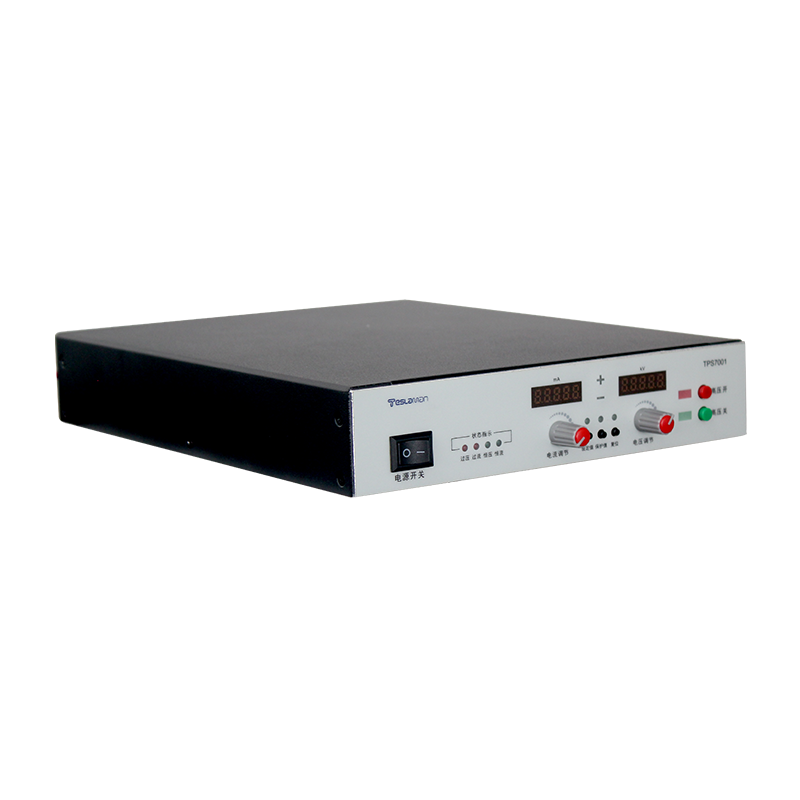
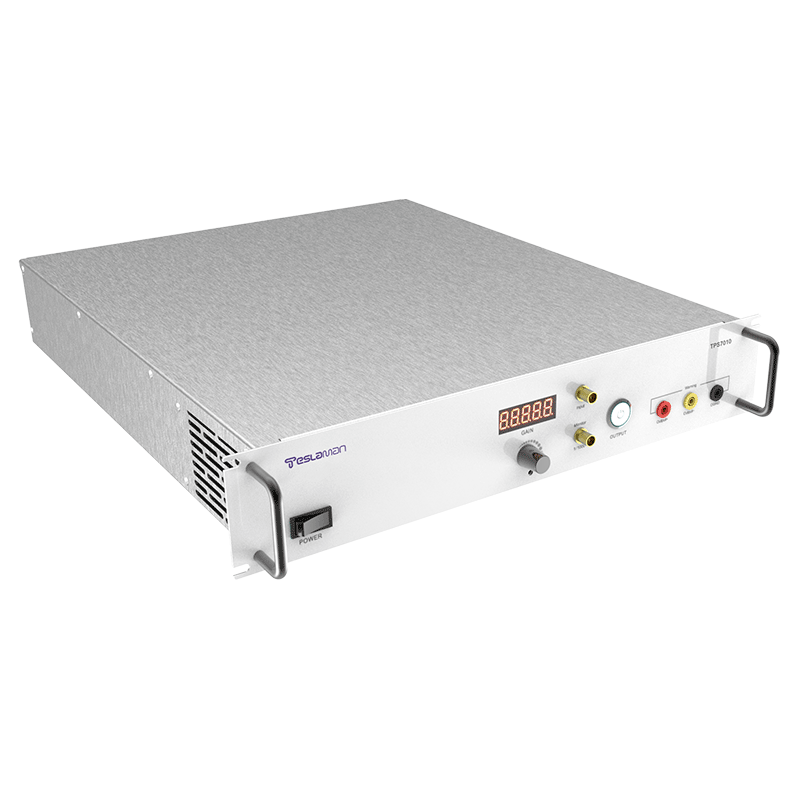
The power supply must provide the required pulse characteristics. The voltage capability must be sufficient for the maximum cell voltage, which may increase as electrodes age. The current capability must be sufficient for the desired treatment rate. The pulse timing must be controllable for optimization. The supply must handle the varying load as the cell conditions change.
Electrode monitoring tracks the condition of the electrodes during operation. Cell voltage at constant current indicates the electrode state. Increasing voltage suggests passivation or fouling. Periodic characterization with test solutions can measure the electrode activity. The monitoring data can guide maintenance scheduling and pulse parameter adjustment.
Process optimization finds the pulse parameters that maximize efficiency and electrode lifetime. Experimental design varies the pulse parameters systematically and measures the resulting performance. Response surface methodology builds a model of the performance as a function of the parameters. Optimization algorithms find the parameter combination that maximizes the objective function, which may combine efficiency and lifetime with appropriate weighting.