Pulse Period Optimization of Plasma Enhanced High Voltage Power Supply for Atomic Layer Deposition Equipment
Atomic layer deposition enables precise, conformal thin films with atomic level thickness control. Plasma enhanced atomic layer deposition uses plasma to generate reactive species for one of the half cycles, enabling lower temperature processing and a wider range of materials. The high voltage power supply generates the plasma pulses, and the pulse period optimization affects the film quality and the deposition rate.
Atomic layer deposition proceeds through sequential self limiting surface reactions. Each cycle consists of two half cycles, each depositing a fraction of a monolayer. The self limiting nature ensures that each half cycle stops when all surface sites are occupied, providing inherent thickness control. The cycle repeats to build up the desired thickness.
Plasma enhanced atomic layer deposition uses plasma generated species in one half cycle. The plasma provides reactive species such as radicals or ions that react with the surface. The plasma enables reactions that would otherwise require high temperatures. The plasma conditions affect the species generation and the surface reactions.
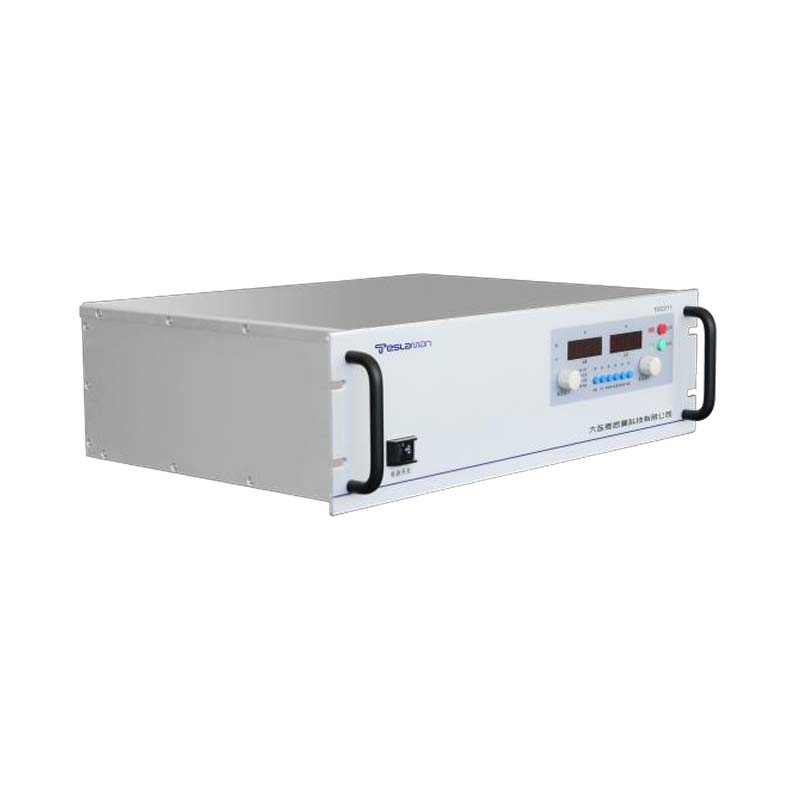
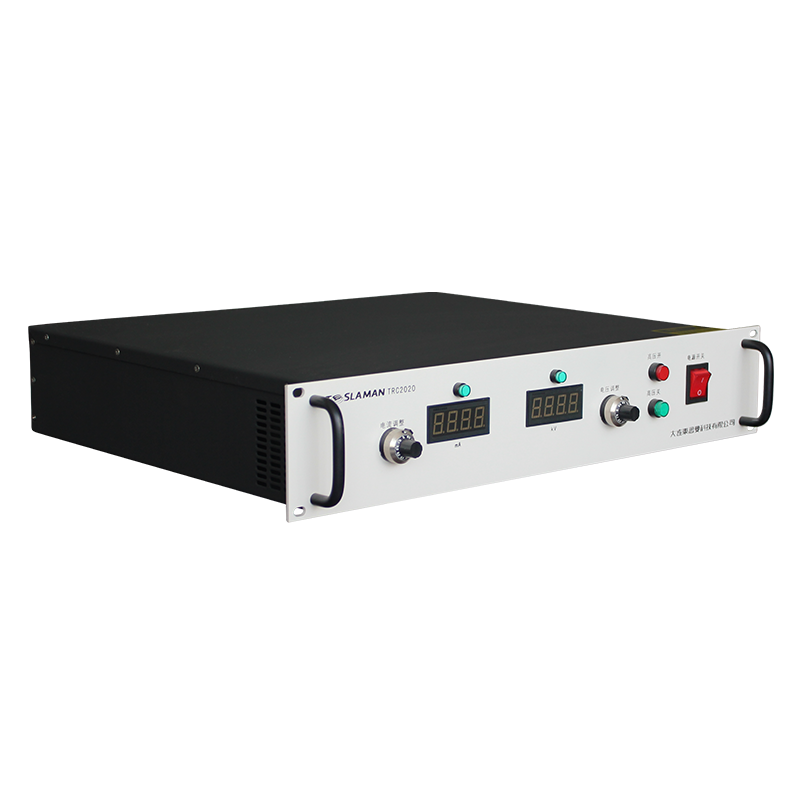
The high voltage power supply generates the plasma by applying voltage to electrodes in the reaction chamber. The voltage ionizes the gas, creating the plasma. The plasma is typically pulsed, with each pulse corresponding to one half cycle of the atomic layer deposition. The pulse parameters affect the plasma characteristics and the deposition.
The pulse period is the time from the start of one pulse to the start of the next. This period determines the cycle time of the atomic layer deposition. Shorter periods enable faster cycling and higher deposition rates. However, the period must be long enough for each half cycle to complete.
The plasma pulse duration within the period affects the plasma exposure. Longer pulses provide more plasma species to the surface. The exposure must be sufficient to complete the surface reactions. Excessive exposure may cause damage or unwanted reactions. The optimal pulse duration achieves complete surface coverage without waste.
The time between pulses allows for gas exchange and surface reactions. After the plasma pulse, the plasma species must be cleared from the chamber before the next precursor dose. The purge time depends on the gas flow rates and the chamber volume. Insufficient purge causes mixing of reactants and loss of self limiting behavior.
The surface reaction kinetics affect the required pulse timing. Fast reactions complete quickly, enabling short pulse periods. Slow reactions require longer exposure times. The reaction kinetics depend on the surface species, the plasma species, and the temperature. The pulse period must be appropriate for the specific reaction system.
Optimization of the pulse period considers multiple objectives. The deposition rate increases with shorter periods. The film quality may require sufficient exposure and purge times. The process stability requires consistent completion of each half cycle. The optimization finds the period that achieves the required quality with maximum throughput.
Process monitoring provides feedback for period optimization. In situ techniques such as optical emission spectroscopy or mass spectrometry monitor the plasma and gas phase species. Quartz crystal microbalance measurements track the deposition in real time. This monitoring can detect incomplete reactions or gas mixing that indicate timing problems.
Temperature effects on the pulse period optimization are significant. Higher temperatures accelerate surface reactions, potentially enabling shorter periods. However, plasma enhanced processes are often used specifically for low temperature deposition. The period optimization must account for the actual operating temperature.
Scale up to production requires maintaining the optimized timing as the chamber size increases. Larger chambers have longer gas residence times, potentially requiring longer purge periods. The gas flow scaling must maintain the necessary gas exchange rate. The plasma generation may need scaling to maintain the species density. The period optimization must be revisited for the production scale chamber.