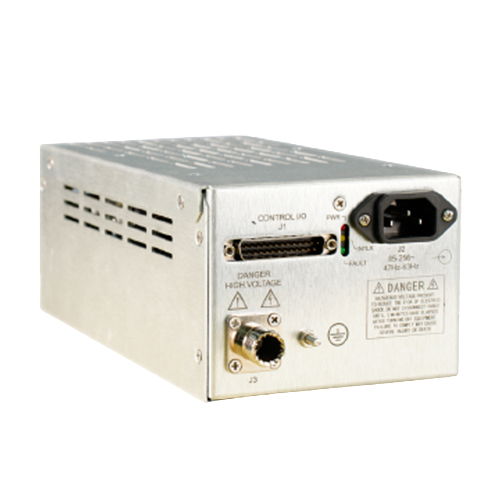
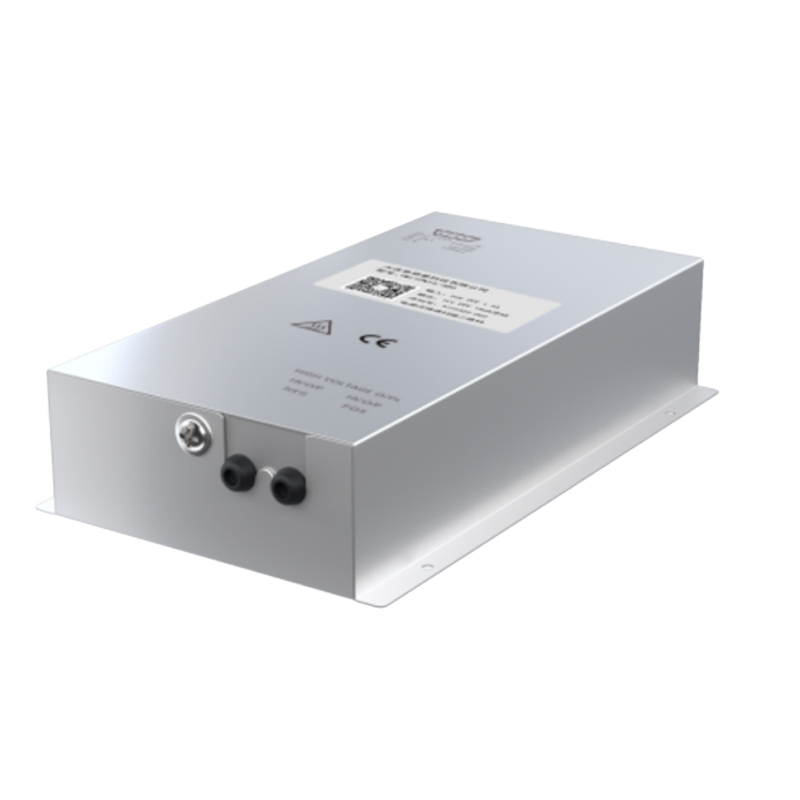
Power Processing Unit Design and Efficiency Optimization of High Voltage Power Supply for Space Electric Propulsion
Space electric propulsion systems use electrical energy to accelerate propellant, achieving higher specific impulse than chemical rockets for missions requiring large velocity changes. The power processing unit converts electrical power from the spacecraft power system to the voltages and currents required by the thruster, including high voltage for ion acceleration. The efficiency of this conversion directly impacts the propellant mass savings, as lower efficiency requires more solar array power for the same thrust. Design optimization of the power processing unit maximizes the electric propulsion system performance.
Electric propulsion thrusters including ion thrusters and Hall effect thrusters require high voltage for ion acceleration and various auxiliary supplies for plasma generation and neutralization. The ion accelerator requires potentials of hundreds to thousands of volts to achieve the desired exhaust velocity. The discharge supply powers the plasma generation, typically at lower voltage but higher current. The neutralizer supply heats a cathode to emit electrons that neutralize the ion beam. Each supply has different requirements for voltage, current, regulation, and ripple.
The power processing unit efficiency is the ratio of power delivered to the thruster to power drawn from the spacecraft bus. The efficiency is less than unity due to losses in power conversion including switching losses, conduction losses, magnetic core losses, and control circuit power consumption. Higher efficiency reduces the spacecraft power system size and mass, or enables more thrust for a given power system. The efficiency target depends on the mission requirements and the spacecraft power system constraints.
Switching converter topologies for high voltage generation include boost converters, flyback converters, and various resonant topologies. The topology selection affects the efficiency, the component stress, the electromagnetic interference, and the mass. Resonant topologies can achieve zero voltage or zero current switching, reducing switching losses at high frequency. The tradeoffs between topology options depend on the specific voltage and power requirements.
Semiconductor device selection affects the efficiency through the conduction and switching losses. MOSFETs have low conduction loss at high current but may have high switching loss at high frequency and high voltage. IGBTs have higher conduction loss but lower switching loss at high voltage. Wide bandgap devices including silicon carbide and gallium nitride offer lower losses than silicon for many applications, enabling higher efficiency or higher frequency operation. The device selection must consider the voltage and current requirements, the switching frequency, and the thermal environment.
Magnetic component design significantly affects the efficiency and mass. The transformer provides voltage step up and galvanic isolation in many topologies. Core material selection affects the core losses at the operating frequency. Winding design affects the copper losses and the leakage inductance. Higher frequency operation allows smaller magnetic components but may increase core losses. The optimal design balances efficiency against mass for the space application.
Thermal management in the space environment relies on radiation to space, as there is no air for convective cooling. The power processing unit must reject waste heat through radiators, with the radiator size depending on the waste heat and the allowable temperature. Lower efficiency increases the waste heat and requires larger radiators. The thermal design must maintain component temperatures within ratings while minimizing radiator mass.
Regulation requirements for electric propulsion power supplies include voltage accuracy, ripple, and response to load changes. The ion beam quality depends on the accelerator voltage stability. Excessive ripple causes variations in ion energy that affect the beam focus and the thrust efficiency. The regulation must maintain stable output despite variations in the thruster load as operating conditions change.
Integration with the spacecraft power system requires compatibility with the bus voltage, the power quality requirements, and the electromagnetic interference limits. The power processing unit input may draw pulsed or varying current that affects the bus voltage. Input filtering and power factor correction maintain power quality. The unit must not radiate or conduct interference that affects other spacecraft systems.
Qualification for space flight requires extensive testing including vibration, thermal vacuum, electromagnetic compatibility, and life testing. The design must meet the reliability requirements for the mission duration, which may be years for deep space missions. Component selection for space applications uses radiation hardened parts and established reliability grades where available.