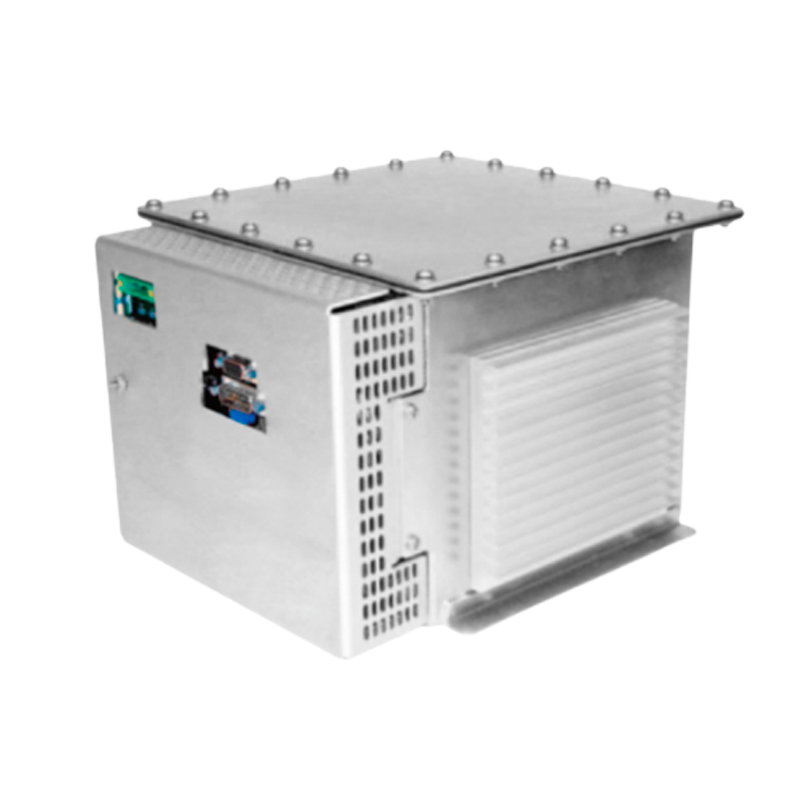
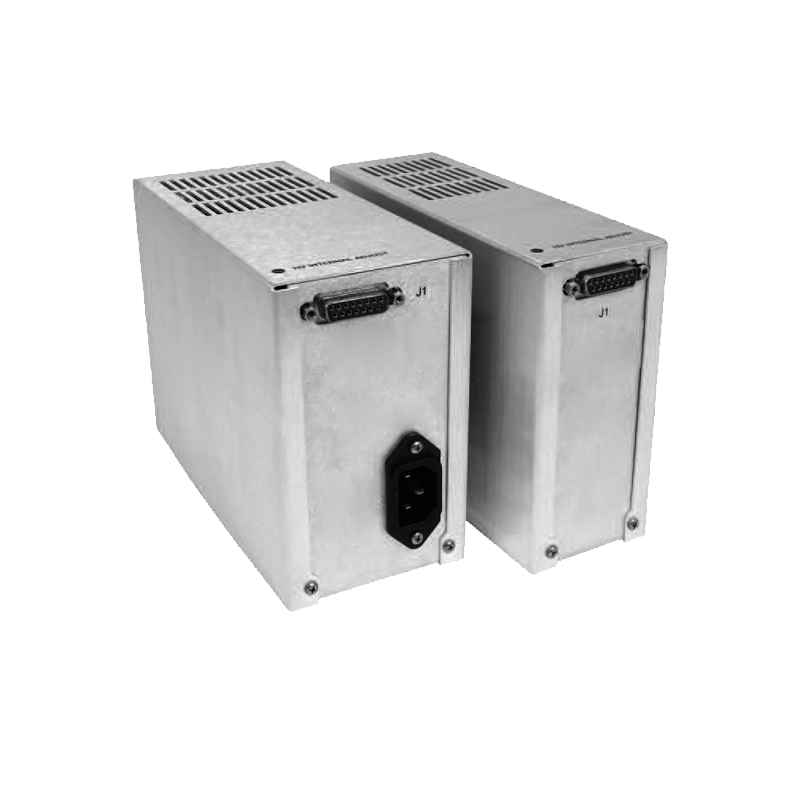
Power Distribution and Coordinated Control of Multi Field Electrostatic Precipitator High Voltage Power Supply
Multi field electrostatic precipitators divide the collection system into multiple electric fields or zones, each with independent high voltage power supplies. The division enables optimization of the collection process across the precipitator length, with different fields operating at different conditions to match the changing dust characteristics. Power distribution among the fields and coordinated control of the field voltages optimize the overall collection efficiency and energy consumption.
Electrostatic precipitators collect dust from gas streams by charging the particles in a corona field and collecting them on electrode surfaces. The collection efficiency depends on the particle charging, the electric field strength, and the collection time. As particles progress through the precipitator, their characteristics change. Large particles are collected first, leaving smaller particles that require stronger fields. Dust loading decreases along the precipitator, reducing the required power.
Multi field precipitators typically have two to four electric fields arranged in series along the gas flow direction. Each field has its own discharge electrodes, collection electrodes, and high voltage power supply. The fields operate independently, enabling different voltages and currents in each field. The first field handles high dust loading and large particles. Later fields handle lower loading and smaller particles.
Power distribution among the fields allocates the total power to each field based on its contribution to collection. The first field typically requires the highest power because it handles the highest dust loading. Later fields may operate at lower power because the remaining dust loading is lower. The power distribution affects both the collection efficiency and the energy consumption.
Optimal power distribution maximizes the overall collection efficiency for a given total power, or minimizes the total power for a given efficiency target. The optimization considers the collection efficiency of each field as a function of its power, and the overall efficiency as the combination of field efficiencies. The optimization may use analytical models or empirical data to determine the optimal distribution.
Field voltage control adjusts the voltage in each field to optimize its operation. Higher voltages produce stronger electric fields and higher corona currents, improving particle charging and collection. However, excessive voltage can cause sparking or back corona that disrupts collection. The voltage must be maintained within the optimal range for each field.
Spark rate control limits the sparking in each field to prevent excessive disruption. Sparks occur when the local electric field exceeds the breakdown strength, causing a discharge that temporarily collapses the field voltage. Excessive sparking reduces the average field strength and degrades collection. The control system detects sparks and reduces the voltage to limit the spark rate to an acceptable level.
Back corona occurs when high resistivity dust accumulates on the collection electrodes, creating reverse electric fields that oppose the collection field. Back corona reduces the effective field strength and can cause positive ion emission that neutralizes negatively charged particles. Back corona is more likely in fields with high dust accumulation. The voltage control must avoid conditions that promote back corona.
Coordinated control of multiple fields considers the interactions between fields. Sparking in one field can affect the gas conditions in downstream fields. Back corona in one field can affect particle charging in that field and downstream. The control coordination can adjust downstream field operation based on upstream conditions. The coordination optimizes the overall precipitator performance rather than individual field performance.
Sequential energization strategies vary the field operation over time to manage dust accumulation. Some strategies periodically deenergize fields to allow dust dislodgement by rapping. Some strategies alternate energization between fields to equalize dust accumulation. The sequential strategies can improve collection and reduce back corona by managing the dust layer.
Intelligent control systems use measurements and algorithms to optimize the field operation. Opacity measurements at the precipitator outlet indicate the overall collection efficiency. Current and voltage measurements in each field indicate the field operation. Dust properties inferred from process conditions affect the optimal settings. The intelligent control adjusts the field parameters based on the measurements and conditions.
Energy optimization considers the tradeoff between collection efficiency and power consumption. Higher power improves collection but increases energy cost. Lower power reduces energy cost but may reduce collection and increase emissions. The optimal operation minimizes the total cost including energy and emission penalties. The optimization must account for varying conditions including dust loading, dust properties, and gas conditions.
Fault handling in multi field systems addresses failures in individual fields. If a field fails, the remaining fields can continue operation, though with reduced overall efficiency. The control system can increase power in remaining fields to partially compensate for the failed field. The fault handling maintains operation despite individual field problems.