Response Time Optimization of High Voltage Fast Switching Power Supply for Superconducting Magnet Protection
Superconducting magnets operate at cryogenic temperatures where the conductor has zero electrical resistance, enabling high current densities and strong magnetic fields without resistive power loss. The superconducting state is maintained by keeping the temperature below the critical temperature of the superconductor material. If any disturbance causes local heating that raises the temperature above critical, the conductor transitions to normal resistive state, creating a quench. The quench protection system must detect the quench and respond rapidly to prevent damage from the sudden appearance of resistance in the high current conductor.
Quench propagation begins at a localized hotspot where the superconductor transitions to normal state. The resistance causes Joule heating that raises the temperature further, expanding the normal zone along the conductor. The propagation speed depends on the conductor properties, the cooling conditions, and the current density. Unprotected quench can cause overheating that damages the superconductor or the insulation, potentially causing permanent magnet failure.
Quench detection identifies the onset of the normal zone transition. Voltage detection measures the voltage drop across sections of the magnet winding. The appearance of resistance causes voltage that was zero in the superconducting state. The detection must distinguish quench voltage from inductive voltage during magnet operation. Differential detection compares voltages across symmetric winding sections, detecting imbalance that indicates quench. The detection threshold must be low enough to detect small quenches early, but high enough to avoid false triggers from noise.
Quench protection actions include energy extraction, current bypass, and active heating. Energy extraction opens a switch that disconnects the magnet from the power supply and connects it to a dump resistor, dissipating the stored magnetic energy in the resistor. Current bypass activates a bypass path that allows current to flow around the quenching section, reducing the current through the normal zone and limiting the heating. Active heating warms the entire magnet uniformly, causing simultaneous transition to normal state that distributes the energy dissipation throughout the magnet rather than concentrating it in the quench zone.
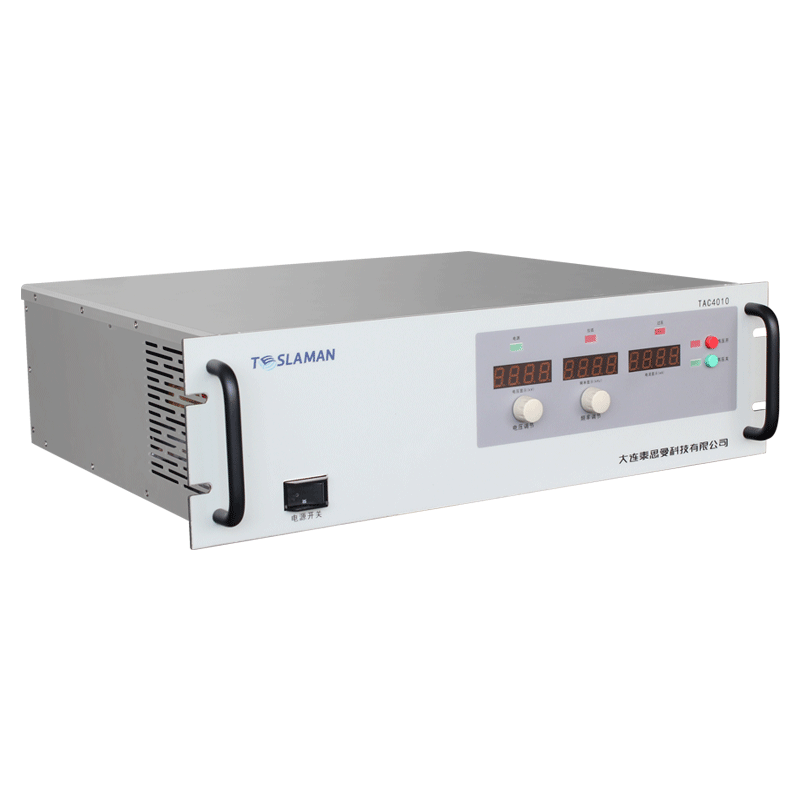
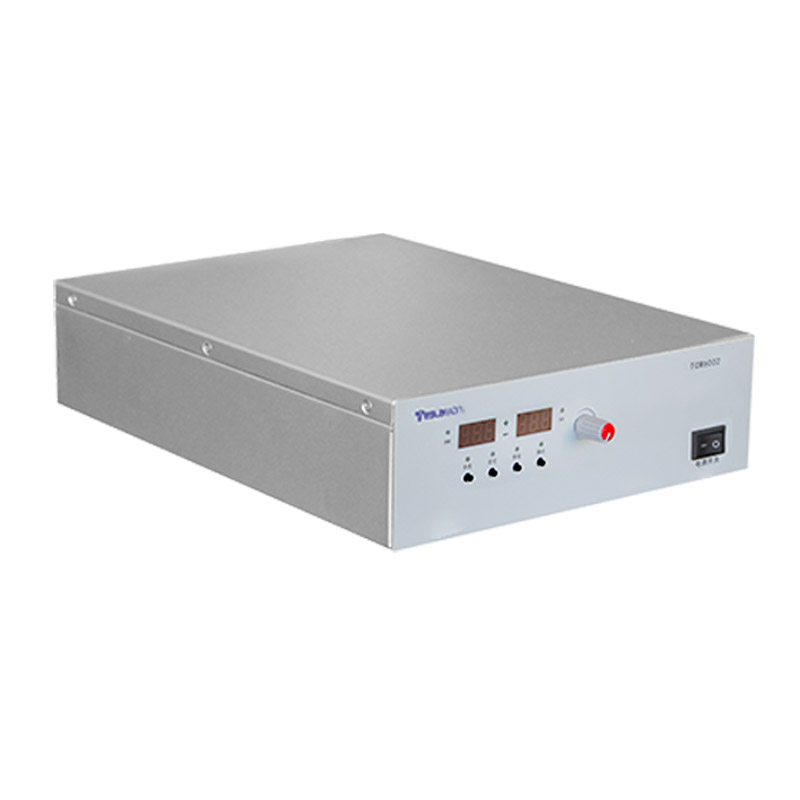
The high voltage fast switching power supply provides the switching capability for quench protection. The power supply must switch high currents rapidly to initiate protection actions when quench is detected. The response time, the interval from quench detection to protection action completion, must be short enough to prevent damage. The required response time depends on the quench propagation speed and the damage threshold.
Switch topology for quench protection uses various configurations depending on the protection strategy. Breaker switches interrupt the current path, forcing current into alternative paths such as dump resistors. Thyristor switches provide fast switching with high current capability. Mechanical breakers provide reliable isolation but have slower operation than electronic switches. The switch selection must provide the required speed, current capability, and reliability.
Switch driver design determines the switching speed. The driver must provide sufficient gate drive to turn on or turn off the switch rapidly. Thyristors require gate current injection to trigger, with the gate current amplitude affecting the turn on speed. Gate turn off thyristors require gate current extraction for turn off, with the gate current affecting the turn off speed. The driver design must optimize the gate drive for minimum switching time.
Energy handling capability of the switch must accommodate the magnet stored energy. The magnet stores energy in the magnetic field, with the energy proportional to the inductance and the current squared. Large magnets can store megajoules of energy. The switch must handle the voltage and current during the energy extraction, potentially requiring series or parallel switch configurations for adequate ratings.
Voltage transient management addresses the voltage spikes that occur during switching. When current is interrupted, the magnet inductance causes voltage rise as the inductance resists the current change. The voltage can reach high levels that stress insulation and switch components. Snubber circuits absorb the transient energy, limiting the voltage rise. The snubber design must provide adequate transient suppression without excessively slowing the switching.
Arc suppression prevents arc formation during switching. When contacts separate under current, an arc can form that maintains current flow despite the open contacts. Arcs damage contacts and delay current interruption. Vacuum switches, gas filled switches, and solid state switches provide arc free switching through their operating principles. The switch selection must consider arc suppression for reliable operation.
Testing and validation verify the quench protection response time. Simulated quench tests create artificial quench conditions to measure the detection and response times. The tests exercise the complete protection chain from detection through action. The measured response time must meet the requirements for magnet protection. Testing at various conditions verifies the protection reliability across the operating range.
Reliability requirements for quench protection are stringent, as protection failure can cause catastrophic magnet damage. The protection system must function correctly when needed, even after long periods of standby. Self testing and monitoring verify the protection readiness. Redundancy provides backup protection paths if primary systems fail. The reliability design must ensure that protection is available throughout the magnet operating life.