Multi Target Power Cooperative Control Strategy of Rotating Magnetron Sputtering Coating High Voltage Power Supply
Rotating magnetron sputtering systems deposit thin films on substrates by bombarding target materials with plasma ions. Multiple target positions enable deposition of different materials or composite films from separate sources. The high voltage power supplies for each target must operate cooperatively to achieve coordinated deposition rates and film composition. Power cooperative control strategies optimize the deposition process by managing the power distribution among multiple targets.
Rotating magnetron sputtering uses cylindrical targets that rotate during sputtering, providing uniform target erosion and extended target lifetime. The rotation exposes different target areas to the plasma, preventing localized erosion that occurs with stationary targets. The rotating configuration enables high deposition rates with efficient material utilization. Multiple rotating targets can be arranged in the same chamber for sequential or simultaneous deposition.
Multi target configurations enable various deposition strategies. Sequential deposition uses one target at a time, depositing layers of different materials in sequence. Simultaneous deposition uses multiple targets together, depositing composite films from multiple sources. Co deposition blends materials from multiple targets to create graded or mixed composition films. The deposition strategy determines the power control requirements.
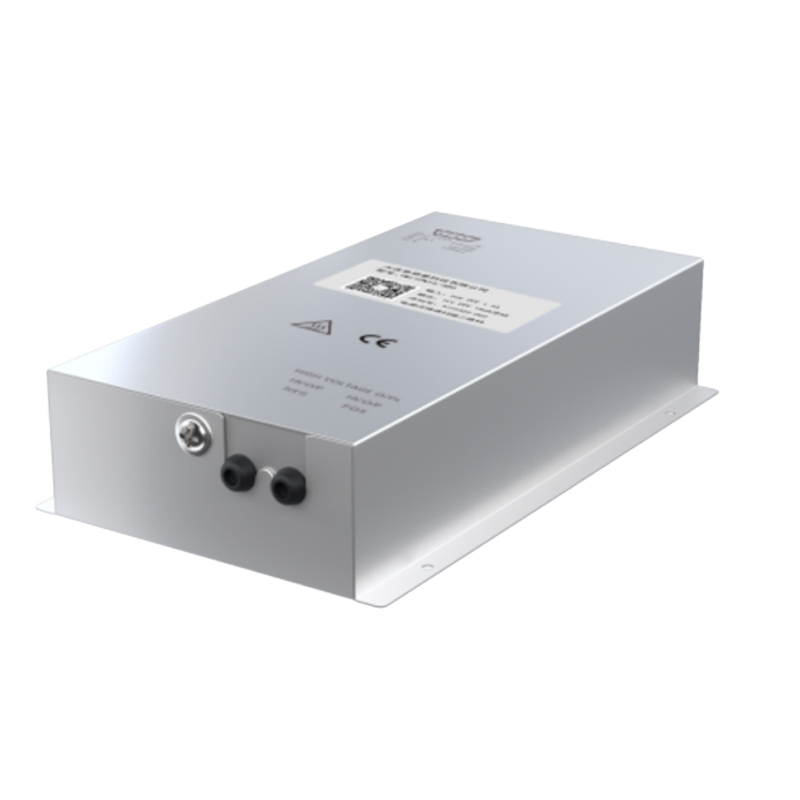
The high voltage power supply for each target provides the plasma power for sputtering. The power determines the sputtering rate, with higher power producing higher deposition rates. The voltage determines the plasma characteristics, affecting the ion energy and the sputtering efficiency. The current relates to the plasma density and the ion flux. Each target may require different power levels depending on the material properties and the desired deposition rate.
Power cooperative control coordinates the power to multiple targets to achieve the desired film characteristics. The control must manage the relative power levels to control the relative deposition rates from each target. For co deposition, the relative rates determine the film composition. For sequential deposition, the control must switch between targets with appropriate timing. The cooperative control enables complex film structures that would not be possible with independent target control.
Composition control for co deposition adjusts the relative power to achieve the desired composition ratio. The composition depends on the relative deposition rates from each target. Higher power at a target increases its contribution to the film. The composition control must account for different sputtering yields of different materials, as some materials sputter more efficiently than others. The power ratio must be adjusted to compensate for yield differences.
Deposition rate control for sequential deposition manages the power during each layer deposition. The power determines the layer thickness growth rate. The deposition time combined with the rate determines the layer thickness. The control must achieve the required thickness for each layer within the available deposition time. The rate control must be precise for accurate layer thickness.
Transition management between targets affects the interface quality between layers. When switching from one target to another, the plasma conditions change. The transition period may cause intermixing or contamination at the interface. Smooth transitions minimize interface problems. The power control during transitions can include gradual ramping or plasma stabilization periods.
Plasma stability during multi target operation requires coordination of the gas flow and the pressure. Different target materials may have different optimal plasma conditions. Reactive sputtering for compound films requires precise gas ratio control. The power control must coordinate with the gas control to maintain stable plasma for each target material.
Arc detection and handling for multi target systems must monitor each target independently. Arcing can occur at any target, disrupting the deposition. Arc detection circuits sense the voltage and current characteristics that indicate arcing. Arc handling suppresses the arc and restores normal operation. The arc handling for one target must not affect the operation of other targets.
Power supply synchronization for simultaneous operation coordinates the timing of multiple power supplies. The supplies may need to operate with specific phase relationships or timing patterns. Synchronization enables coordinated plasma behavior across multiple targets. The synchronization must maintain the required relationships throughout the deposition.
Feedback from deposition monitoring enables adaptive power control. Thickness monitoring measures the deposited film thickness, providing feedback for rate control. Composition monitoring measures the film composition, providing feedback for composition control. The monitoring data enable real time adjustment of power levels to maintain target film characteristics.
Process optimization for multi target deposition determines the power parameters that achieve optimal film properties. The optimization considers the deposition rate, the composition accuracy, the film uniformity, and the interface quality. Experimental characterization of films deposited under various power conditions guides the optimization. The optimized parameters provide the best film quality for the application.
Integration with deposition equipment coordinates the power control with the overall deposition system. The power supplies must receive commands from the system controller and must provide status information for monitoring. The integration must handle the communication, the timing, and the safety coordination. The integrated system enables automated deposition with cooperative power control.