Space Charge Effect Compensation of High Voltage Power Supply for Low Energy Ion Beam Exposure System
Low energy ion beam exposure systems pattern substrates by direct writing with focused ion beams. The ions modify the substrate surface through implantation, sputtering, or chemical reactions. Low energy beams have limited penetration depth, enabling surface sensitive patterning. Space charge effects from the ion charge density can distort the beam focusing and the beam trajectory. Compensation techniques address these effects to maintain beam quality.
Ion beam exposure uses focused beams of ions to pattern substrates. The beam is focused to a small spot and scanned across the substrate, writing patterns through ion impact. The ion energy determines the penetration depth and the modification mechanism. Low energy ions, with energies of hundreds to thousands of electronvolts, modify the surface without deep penetration.
Space charge refers to the charge density from the ions in the beam. The ions carry positive charge, creating a charge cloud in the beam path. The space charge creates electric fields that affect the ion trajectories. The fields can defocus the beam, causing spot enlargement. The fields can deflect the beam, causing position errors. The effects increase with higher beam current and lower ion energy.
Beam focusing for ion beams uses electrostatic or magnetic lenses. The lenses create fields that converge the beam to a focus. The focusing strength determines the spot size. Space charge fields oppose the focusing fields, reducing the effective convergence. The space charge causes the focus to shift and the spot to enlarge.
Space charge compensation reduces the charge density effects by introducing compensating charge. Electrons introduced into the beam region neutralize the positive ion charge. The neutralization reduces the space charge fields, restoring the beam focusing. The compensation must be controlled to achieve adequate neutralization without overcompensation.
Electron introduction for compensation uses various methods. Plasma sources generate electrons that can be introduced into the beam region. Electron guns direct electrons into the beam path. Surface emission from beam interaction with surfaces can provide electrons. The electron source must provide adequate electron density for compensation.
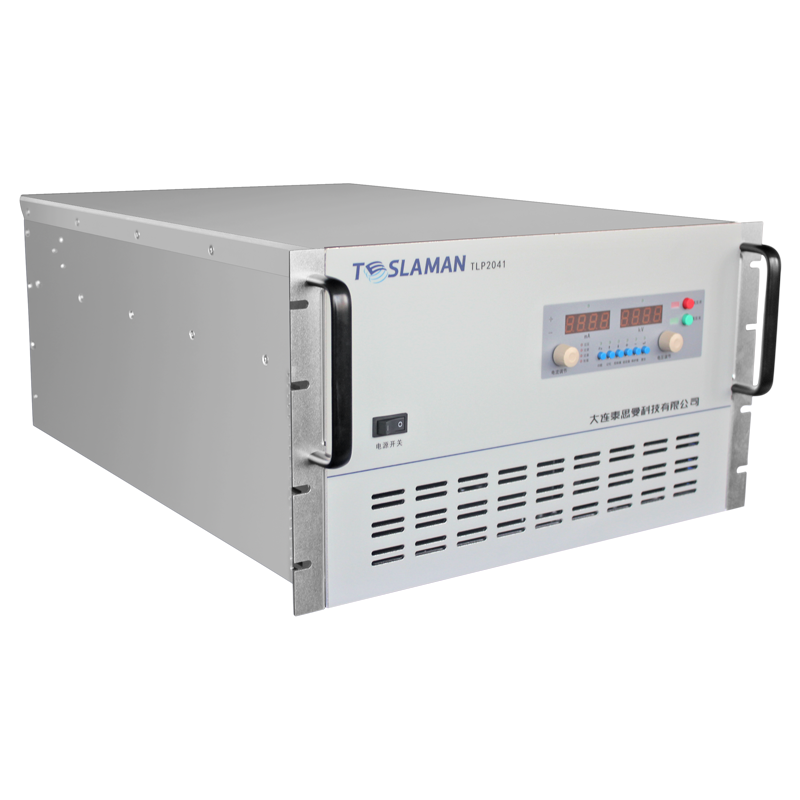
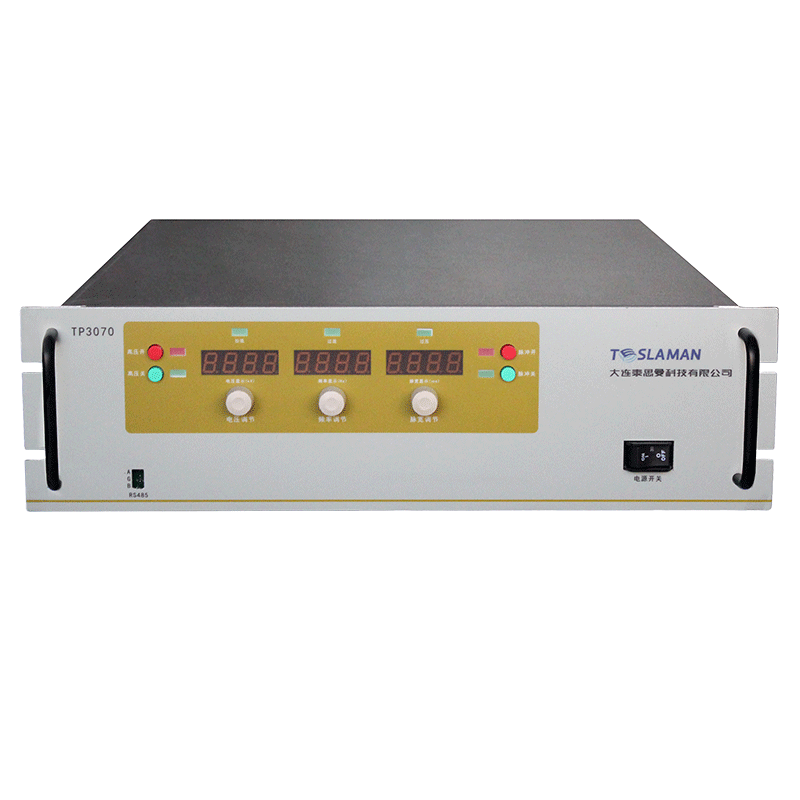
The high voltage power supply for the ion beam provides the beam energy and the focusing voltages. The beam energy voltage accelerates the ions to the target energy. The focusing voltages control the lens fields that focus the beam. The power supply must maintain stable voltages despite the varying load from the beam current.
Voltage stability affects the beam energy precision. The ion energy depends on the acceleration voltage. Voltage variations cause energy variations that affect the ion penetration and the patterning results. The stability must be adequate for the patterning precision requirements.
Focusing voltage stability affects the spot size stability. The focusing depends on the lens voltages. Voltage variations cause focusing variations that affect the spot size. The stability must maintain constant focusing despite the beam current variations.
Beam current variations affect the space charge level. Higher current increases the space charge, requiring more compensation. Lower current reduces the space charge, requiring less compensation. The compensation must adjust to track the beam current changes.
Dynamic compensation adjusts the electron density to match the ion density. The adjustment can use feedback from beam characteristics. Spot size measurement indicates the focusing state, revealing space charge effects. The feedback adjusts the electron source to maintain optimal compensation.
Beam position monitoring detects deflection from uncompensated space charge. The beam should reach the target position despite space charge. Position errors indicate inadequate compensation. The monitoring enables detection and correction of position effects.
Integration with beam scanning coordinates the compensation with the beam motion. The beam scans across the substrate, with the current and position varying during scanning. The compensation must track the scanning variations. The integration enables consistent beam quality throughout the scanning pattern.
Process optimization determines the compensation parameters that achieve optimal beam quality. The optimization varies the electron density and other parameters, measuring the beam characteristics. The optimal parameters provide the smallest spot size and the most accurate position. The optimization must account for the specific beam energy and current requirements.