Thermal Stress Coupling Simulation Analysis of Multi Zone High Voltage Power Supply for 18 Inch Wafer Electrostatic Chuck
Electrostatic chucks hold wafers during semiconductor processing using electrostatic attraction. Large wafers such as 18 inch wafers require multi zone chucks that apply different voltages to different regions for uniform holding force. The high voltage power supply for each zone must be controlled cooperatively. Thermal stress coupling simulation analyzes how the thermal conditions during processing affect the chuck operation and the wafer stress.
Semiconductor processing includes high temperature steps such as annealing, deposition, and etching. The wafer temperature can reach hundreds or thousands of degrees during these processes. The electrostatic chuck must hold the wafer securely throughout the temperature range. The thermal expansion and stress from temperature changes affect the chuck performance.
18 inch wafers have larger area than smaller wafers, requiring larger chucks. The larger area makes it more difficult to achieve uniform holding force across the entire wafer. Multi zone chucks divide the chuck surface into multiple independently controlled zones. Each zone can have different voltage to compensate for nonuniform conditions.
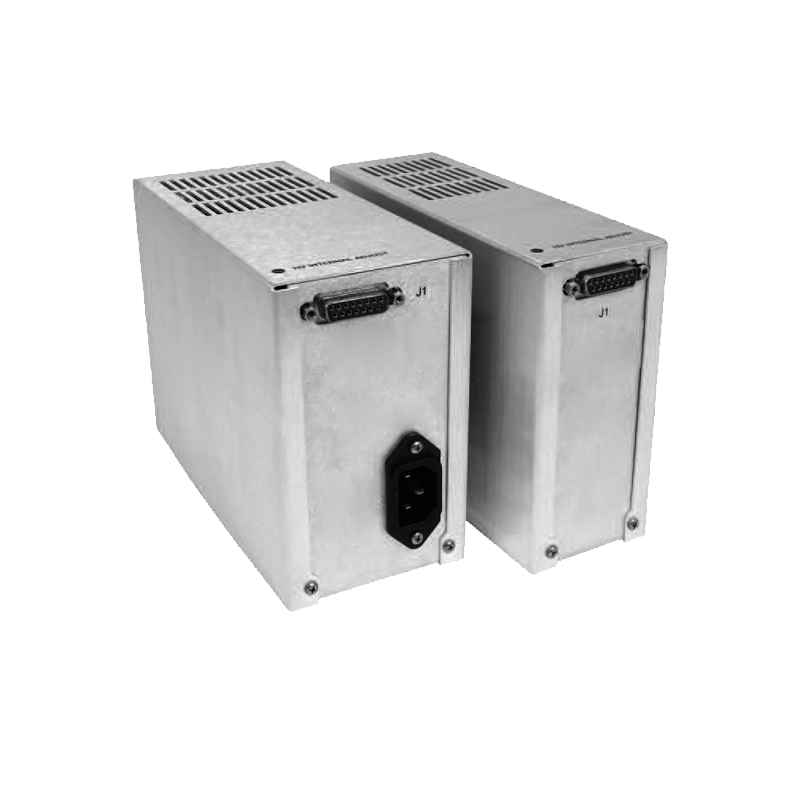
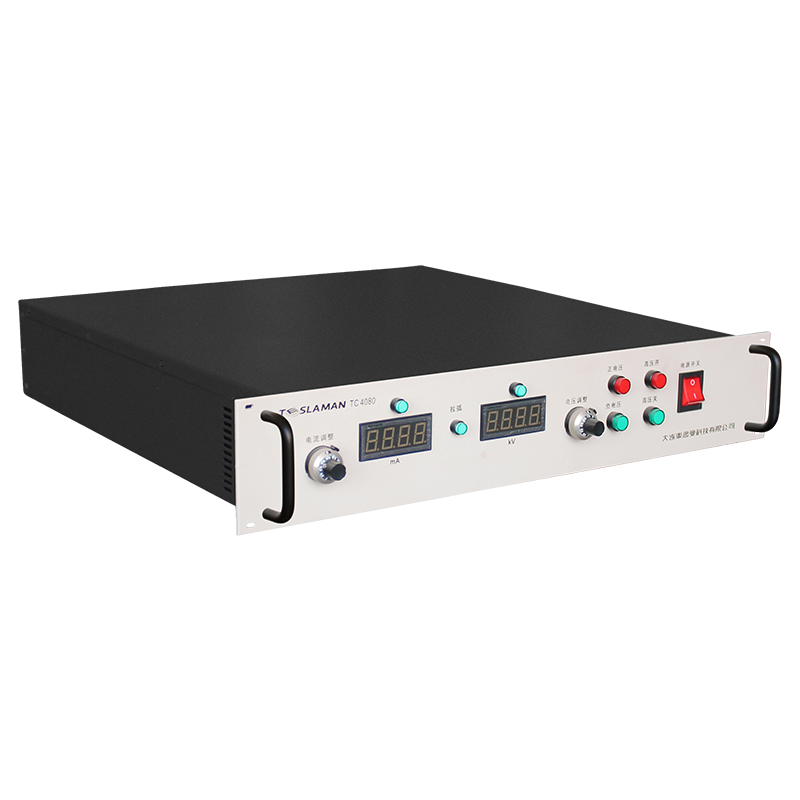
Multi zone electrostatic chucks use separate electrodes for each zone. Each electrode is connected to a separate high voltage power supply channel. The voltage for each zone can be set independently. The zone voltages can be adjusted to achieve uniform holding force despite nonuniform conditions.
Thermal stress during processing arises from temperature gradients and thermal expansion. The wafer and chuck have different temperatures and different thermal expansion coefficients. The temperature differences cause thermal stress at the interface. The stress can affect the wafer flatness and the chuck holding.
Thermal stress coupling refers to the interaction between thermal conditions and mechanical stress. The temperature distribution causes thermal expansion that creates mechanical stress. The mechanical stress affects the contact between wafer and chuck, affecting the electrostatic holding. The coupling must be analyzed to understand the chuck behavior during thermal processing.
Simulation analysis models the thermal and mechanical behavior of the chuck and wafer. The thermal simulation calculates the temperature distribution from the process conditions. The mechanical simulation calculates the stress and deformation from the thermal expansion. The coupled simulation accounts for the interaction between thermal and mechanical effects.
Temperature simulation models the heat transfer during processing. The heat sources include the process heating and any chuck heating or cooling. The heat transfer includes conduction through the chuck and wafer, radiation from surfaces, and any gas convection. The simulation predicts the temperature at each point in the system.
Stress simulation models the mechanical response to thermal expansion. The thermal expansion causes dimensional changes that create stress when constrained. The simulation calculates the stress distribution and the deformation. The stress affects the wafer flatness and the chuck contact.
Contact simulation models the interface between wafer and chuck. The contact pressure depends on the electrostatic force and the mechanical stress. The contact affects the heat transfer and the electrostatic holding. The simulation must account for the contact behavior.
Electrostatic simulation models the electric field and the holding force. The field depends on the electrode voltages and the geometry. The holding force depends on the field and the wafer charge. The simulation must account for the thermal effects on the dielectric properties.
Coupled simulation integrates the thermal, mechanical, and electrostatic models. The thermal results feed into the mechanical simulation. The mechanical results feed into the contact and electrostatic simulation. The electrostatic results may affect the thermal simulation through any chuck heating. The coupling captures the interactions between domains.
Zone voltage optimization uses the simulation to determine the voltages that achieve uniform holding. The simulation predicts the holding force for different voltage combinations. The optimization finds the combination that minimizes the holding force variation across the wafer. The optimization must account for the thermal conditions.
Wafer stress minimization uses the simulation to reduce the stress on the wafer. Excessive stress can cause wafer damage or distortion. The simulation identifies conditions that cause high stress. The zone voltages and the thermal conditions can be adjusted to minimize the wafer stress.
Validation experiments verify the simulation predictions. Temperature measurements during processing confirm the thermal simulation. Wafer flatness measurements confirm the mechanical simulation. Holding force measurements confirm the electrostatic simulation. The validation ensures that the simulation accurately represents the actual behavior.