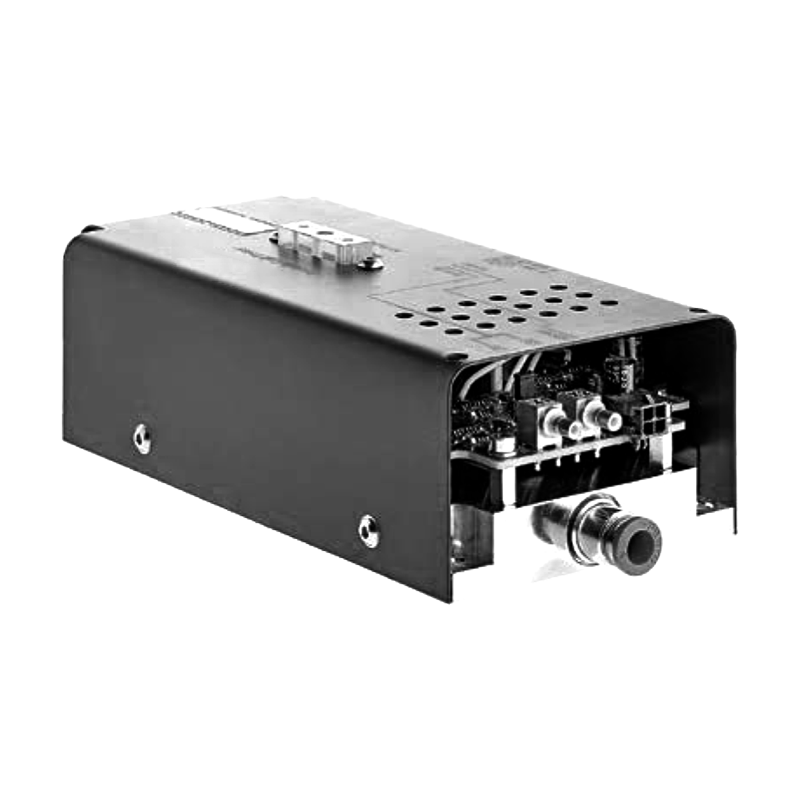
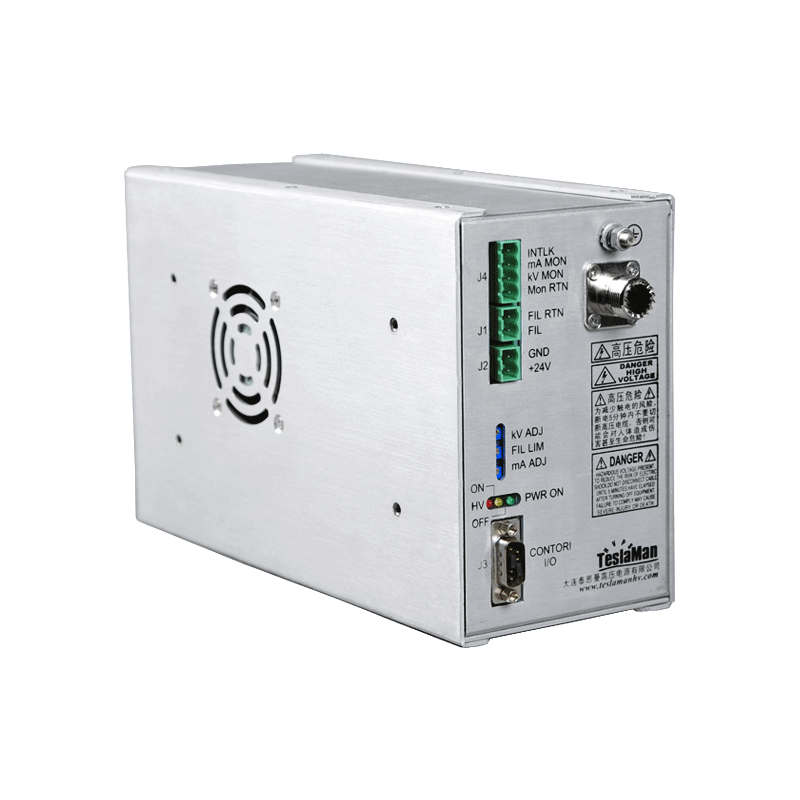
Beam Current Consistency Automatic Calibration System of High Voltage Power Supply for Multi Electron Beam Maskless Lithography
Multi electron beam maskless lithography represents a revolutionary approach to semiconductor manufacturing that eliminates the need for photomasks by using arrays of electron beams to directly write patterns on silicon wafers. This technology offers significant advantages in terms of flexibility, cost, and time-to-market for custom and low-volume semiconductor production. The consistency of beam current across multiple electron beams is critical for achieving uniform exposure and maintaining pattern fidelity across the entire wafer, making automatic calibration systems essential for production viability.
The fundamental challenge of multi electron beam systems lies in maintaining identical exposure characteristics across all beams in the array. Variations in beam current cause corresponding variations in exposure dose, leading to critical dimension variations that can render circuits non-functional. These variations arise from numerous sources including differences in electron source characteristics, column alignment, aperture dimensions, and electronic component tolerances. An automatic calibration system must identify and correct these variations to achieve consistent exposure across all beams.
Beam current measurement in electron beam systems typically employs Faraday cups or dedicated current sensors that intercept the beam and measure the resulting current. In multi beam systems, individual beam current measurement requires either sequential measurement using a single sensor that moves between beams or parallel measurement using multiple sensors. The calibration system must coordinate these measurements with the high voltage power supply adjustments to achieve the desired beam current consistency.
The high voltage power supply for electron beam lithography must provide extremely stable and precise voltage control. The beam current in electron optical systems depends on the extraction voltage, accelerating voltage, and various electrode bias voltages. Small variations in these voltages cause significant changes in beam current, making voltage stability a critical requirement. Typical specifications call for voltage stability better than ten parts per million over the exposure period and ripple below one part per million.
Automatic calibration algorithms must balance calibration accuracy against calibration time. Extensive calibration measurements improve accuracy but consume valuable production time. Efficient algorithms minimize the number of measurements required while achieving the target beam current consistency. Adaptive calibration strategies adjust calibration frequency based on measured drift rates, performing calibration only when necessary to maintain consistency within specifications.
The relationship between high voltage settings and beam current is generally nonlinear and may vary between individual beams in the array. Calibration systems must characterize this relationship for each beam through a series of measurements at different voltage settings. Curve fitting algorithms then determine the voltage settings required to achieve the target beam current for each beam. The calibration accuracy depends on the measurement precision and the stability of the voltage-beam current relationship.
Temperature effects on beam current consistency require careful consideration in calibration system design. Electron source characteristics, column dimensions, and electronic component values all vary with temperature, causing beam current drift. Temperature-controlled environments and temperature compensation algorithms help maintain consistency between calibration cycles. The calibration system may incorporate temperature sensors and apply temperature-dependent corrections to the voltage settings.
Drift compensation algorithms address the gradual changes in beam current that occur over time due to electron source aging, contamination accumulation, and component drift. Continuous or periodic beam current monitoring enables detection of drift trends. Feedforward compensation algorithms predict future drift based on historical trends and preemptively adjust voltage settings to maintain consistency. Feedback compensation algorithms measure actual beam current and make corrective adjustments.
The calibration system must handle the high voltage power supply dynamics appropriately. Voltage changes do not instantly translate to beam current changes due to capacitance in the electron optical system and thermal time constants in the electron source. The calibration algorithm must account for these dynamics, allowing sufficient settling time after voltage changes before making beam current measurements. Inadequate settling time can result in calibration errors that degrade consistency.
Multi beam systems may employ shared high voltage supplies for certain electrodes and individual supplies for others. Shared supplies affect all beams simultaneously, while individual supplies enable independent adjustment of each beam. The calibration system must coordinate adjustments to shared supplies, which affect all beams, with adjustments to individual supplies, which affect only specific beams. This coordination requires sophisticated optimization algorithms to achieve global consistency.
Beam blanking and deflection systems interact with the beam current calibration system. Beam blanking turns beams on and off during exposure, and the blanking operation can affect beam current stability. Deflection systems scan the beams across the wafer, and deflection fields can influence beam current through lens effects. The calibration system must account for these interactions, potentially performing calibration under conditions that match the actual exposure operation.
Calibration frequency optimization balances consistency requirements against production throughput. More frequent calibration maintains tighter consistency but reduces available exposure time. The optimal calibration frequency depends on the drift characteristics of the system and the consistency requirements of the patterns being written. Adaptive calibration systems can adjust frequency based on measured drift rates and pattern requirements.
Data management for calibration systems involves storing and processing large amounts of beam current and voltage data. Historical calibration data enables trend analysis and predictive maintenance. Statistical process control techniques identify systematic variations that may indicate equipment problems. The calibration system database must support efficient data storage, retrieval, and analysis while maintaining data integrity over extended periods.
Integration with the lithography control system enables seamless operation of the calibration functions. The calibration system must communicate with the exposure control system to schedule calibration activities during appropriate intervals. Calibration results must be transferred to the exposure system to apply the optimized voltage settings. Error handling protocols must manage situations where calibration cannot achieve the target consistency.
Redundancy and fault tolerance in calibration systems ensure continued operation even when individual components fail. Backup current sensors can take over if primary sensors fail. Degraded mode operation may allow continued exposure with reduced consistency when full calibration capability is unavailable. The system must detect faults and implement appropriate fallback strategies automatically.
Verification and validation of calibration system performance require systematic testing under various operating conditions. Test patterns designed to reveal beam current inconsistencies can validate calibration effectiveness. Long-term stability testing verifies that calibration maintains consistency over extended production runs. Documentation of calibration system performance supports quality management and regulatory compliance requirements.
The high voltage power supply design must support the requirements of the automatic calibration system. Fine voltage adjustment capability enables precise beam current control. Fast settling time minimizes calibration duration. Low noise and ripple ensure that beam current variations during exposure are dominated by calibration accuracy rather than power supply instability. Multiple independent outputs enable individual beam adjustment.
Continued advancement in multi electron beam lithography technology drives ongoing development of automatic calibration systems. Larger beam arrays increase the complexity of consistency management. Higher throughput requirements demand faster calibration algorithms. Tighter critical dimension specifications require improved calibration accuracy. These evolving requirements ensure continued innovation in calibration technology for electron beam lithography systems.