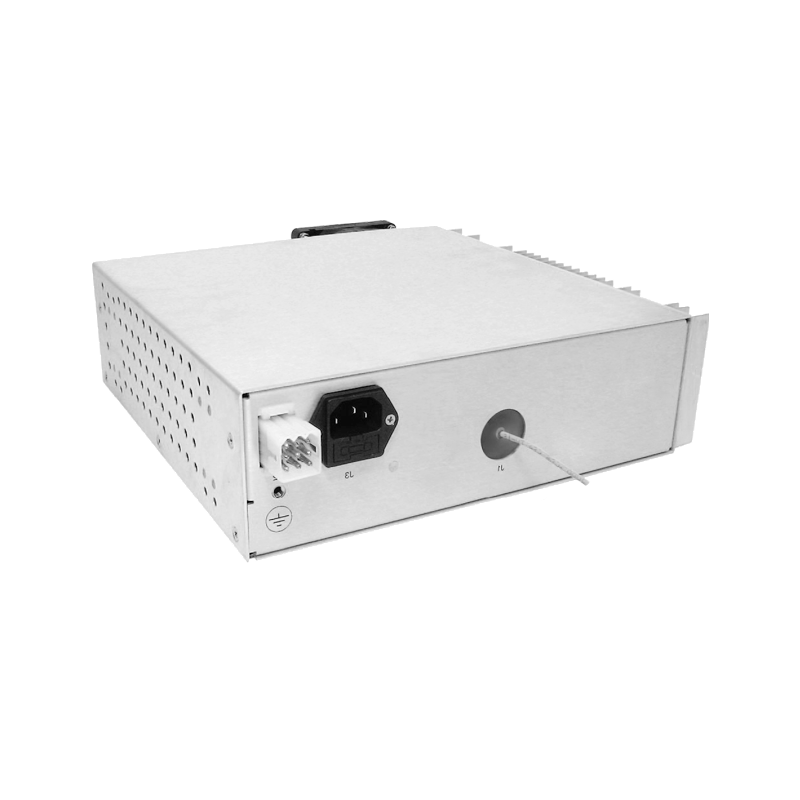
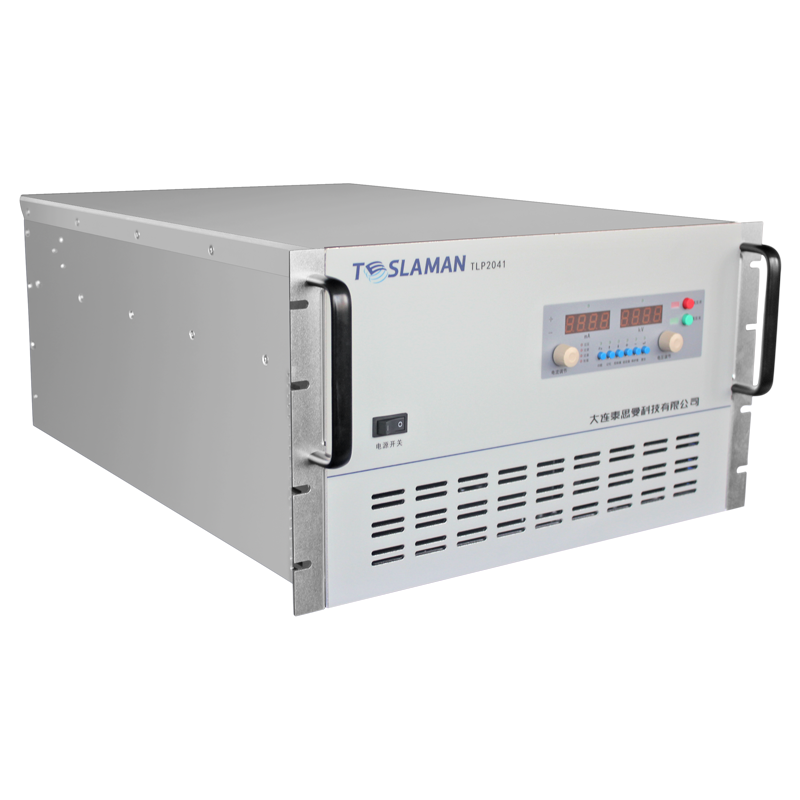
Ion Implantation High Voltage Power Supply Low-Loss Transmission Technology for High Voltage Cables
Ion implantation systems operating at high voltages require efficient electrical transmission from power supplies to accelerator structures across distances that may extend tens of meters in production facilities. Low-loss transmission technology for high voltage cables addresses the challenges of delivering stable, clean high voltage power while minimizing energy losses, electromagnetic interference, and reliability concerns associated with long transmission paths. Understanding the design principles and implementation considerations for low-loss high voltage transmission supports optimization of ion implantation system performance. Transmission system design directly influences both power supply requirements and overall system efficiency.
The fundamental challenge of high voltage transmission involves managing the trade-offs between cable parameters including capacitance, inductance, and resistance, while maintaining adequate insulation for the operating voltage. Cable capacitance stores energy that must be managed during voltage transitions, while cable resistance dissipates energy as heat during continuous operation. Inductance affects transient response and can contribute to voltage overshoot during switching events. Optimization of cable design for particular applications requires balancing these interrelated parameters. Understanding parameter interactions enables cable selection that optimizes overall transmission performance.
Capacitive charging current represents a significant loss mechanism in high voltage cable transmission. The cable capacitance, typically ranging from tens to hundreds of picofarads per meter depending upon cable geometry and insulation, draws reactive current proportional to voltage magnitude and frequency. For DC transmission, this current appears primarily during voltage changes, while for AC or pulsed applications, continuous capacitive current flows throughout operation. This reactive current causes resistive losses in cable conductors and power supply components, reducing overall efficiency. Capacitive effects become increasingly significant for longer cable runs and higher operating voltages.
Cable resistance contributes directly to power dissipation during current flow. Higher resistance cables exhibit greater voltage drop under load and generate more heat during operation. The resistance depends upon conductor material, cross-sectional area, and temperature, with resistance increasing at elevated temperatures due to the positive temperature coefficient of conductor materials. Selection of adequate conductor cross-section minimizes resistive losses while maintaining flexibility and minimizing cable diameter. Conductor sizing must account for both steady-state current requirements and transient conditions.
Insulation considerations for high voltage cables must address both dielectric strength and partial discharge resistance. The insulation must withstand the operating voltage without breakdown under all expected conditions including transient overvoltages. Partial discharge activity within insulation gradually degrades material properties, potentially leading to eventual failure. High-quality insulation materials and manufacturing processes minimize voids and impurities that could initiate partial discharge activity. Insulation selection must provide adequate margin for both normal operation and transient conditions encountered during equipment lifetime.
Shielding design influences both electromagnetic interference characteristics and safety performance. Outer shields prevent radiation of electromagnetic energy from the cable that could interfere with nearby electronic equipment. Inner shields may be employed to control electric field distribution within the cable structure, reducing stress on insulation materials. Shield connections must be designed to handle shield currents while maintaining proper grounding for safety and interference control. Shielding design must balance electromagnetic compatibility requirements against installation and cost considerations.
Termination design critically affects cable system performance and reliability. Terminations must transition from the cable structure to connection points while maintaining insulation integrity and managing electric field distributions. Stress grading materials control field concentration at transition points, preventing local field enhancement that could initiate partial discharge or breakdown. Proper termination installation requires careful attention to material preparation and assembly procedures. Termination quality directly influences cable system reliability, with installation defects often determining service lifetime.
Connector design for high voltage cable systems must maintain electrical performance while enabling connection and disconnection for installation and maintenance. Connector insulation must withstand operating voltage while accommodating mechanical requirements for secure connection. Contact resistance must be minimized to reduce losses at connection points, with appropriate contact pressure and surface finish ensuring stable, low-resistance connections throughout equipment lifetime. Connector design must balance electrical performance against mechanical convenience for practical field installation.
Environmental factors affect cable system performance in production facilities. Temperature variations influence cable resistance and insulation properties, potentially affecting transmission characteristics. Humidity and contamination can degrade termination performance, requiring appropriate environmental protection measures. Mechanical stress from cable routing and support systems must be managed to prevent insulation damage over time. Environmental design must account for actual facility conditions rather than idealized laboratory environments.
Testing and qualification of high voltage cable systems verify performance before installation in production equipment. Insulation resistance testing confirms dielectric integrity without excessive leakage current. High voltage withstand testing verifies capability to operate at specified voltage levels with adequate margin. Partial discharge testing identifies defects that could lead to progressive degradation during operation. These tests support quality assurance for critical cable system components. Testing protocols must address all relevant failure modes to ensure reliable operation.
Installation practices significantly influence cable system reliability in actual applications. Proper handling during installation prevents mechanical damage to insulation and conductors. Correct routing maintains adequate clearance from grounded surfaces and other cables. Secure support prevents mechanical stress concentration that could accelerate insulation degradation. Documentation of installation details supports future maintenance and troubleshooting activities. Installation quality often determines whether inherently sound cable designs achieve expected service lifetime.
Maintenance considerations for high voltage cable systems focus upon monitoring for developing problems before failure. Periodic visual inspection identifies surface contamination or physical damage to terminations and cable surfaces. Insulation resistance trending detects gradual degradation before it progresses to failure. Thermal monitoring identifies excessive heating that could indicate developing connection problems or cable defects. These maintenance practices extend cable system lifetime and prevent unplanned downtime. Predictive maintenance approaches enable intervention before failures impact production.
Future developments in low-loss transmission technology will address increasing demands for higher voltages, improved efficiency, and enhanced reliability in advanced ion implantation systems. New insulation materials offering superior dielectric strength and partial discharge resistance will enable higher voltage operation in reduced cable diameters. Advanced conductor designs will minimize losses while maintaining flexibility for installation routing requirements. Continued advancement in transmission technology will support evolving requirements of next-generation ion implantation systems. These developments will enable ion implantation processes to continue advancing in support of semiconductor manufacturing and materials modification applications.