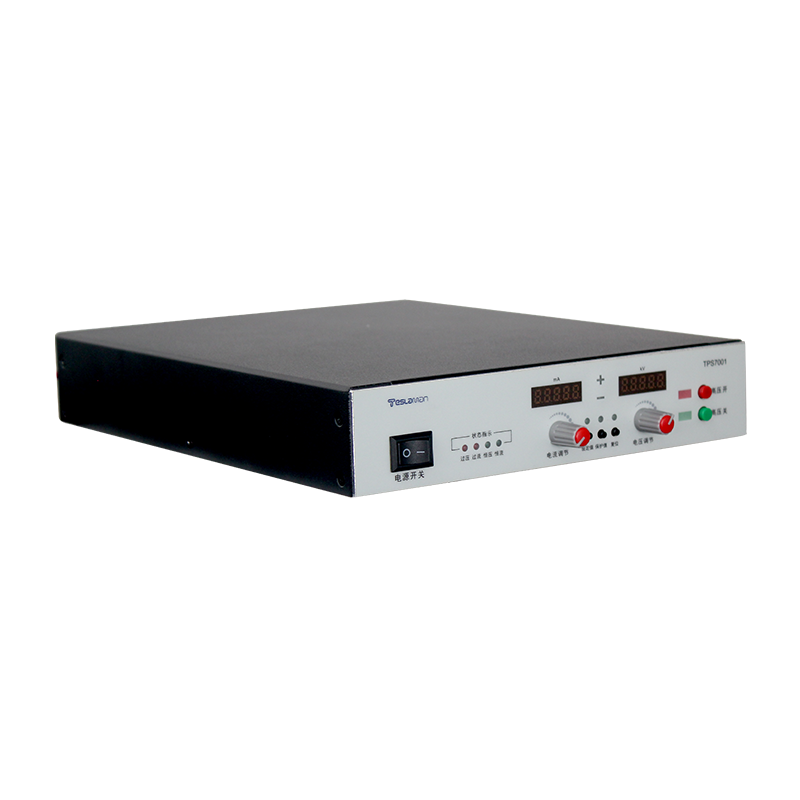
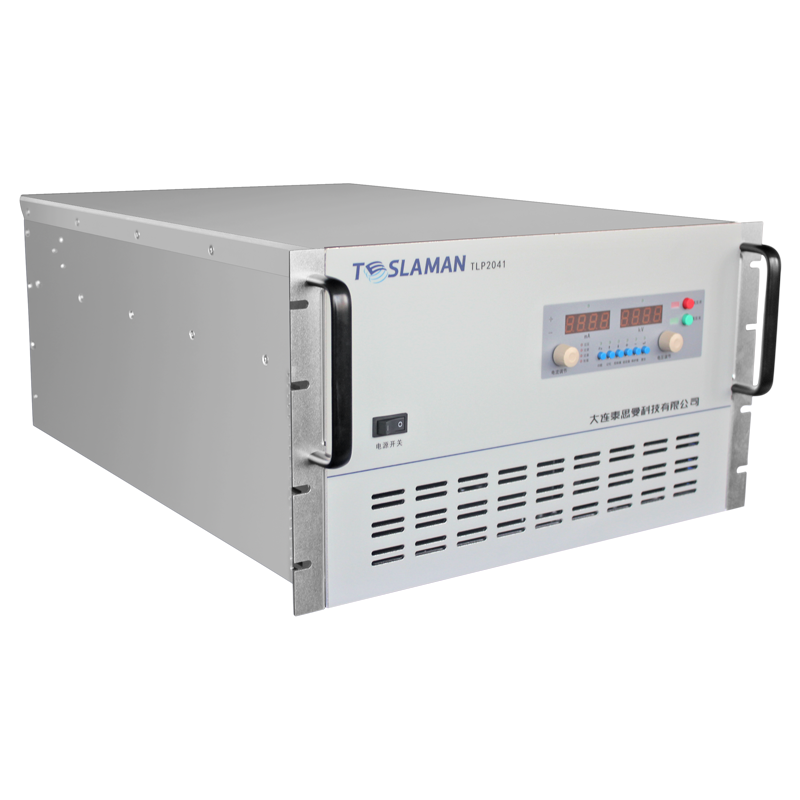
Lithography Light Source High Voltage Power Supply High Voltage Stable Supply in EUV Technology
Extreme ultraviolet lithography represents the forefront of semiconductor patterning technology, enabling fabrication of integrated circuits with feature sizes below 7 nanometers. The light source generating extreme ultraviolet radiation requires exceptionally stable high voltage power supplies to maintain plasma conditions essential for consistent photon emission. Production economics of advanced semiconductor manufacturing depend critically upon light source reliability and stability. High voltage power supply performance directly affects lithography system productivity and cost of ownership.
Extreme ultraviolet radiation production in lithography systems employs laser-produced plasma or discharge-produced plasma approaches. Both methods require high voltage power supplies delivering precise electrical energy to maintain plasma formation and sustain emission conditions. The plasma temperature exceeding 200,000 degrees Celsius necessary for extreme ultraviolet generation demands power delivery approaching megawatt levels with microsecond-scale timing precision. Economic viability of extreme ultraviolet lithography requires sustained operation with minimal downtime. Power supply reliability is essential for economically viable lithography operation.
Discharge-produced plasma sources operate through controlled electrical discharge between electrodes immersed in xenon or tin vapor atmospheres. High voltage pulses applied across the electrode gap initiate plasma formation, with subsequent current flow heating the plasma to temperatures sufficient for extreme ultraviolet emission. The power supply must deliver precisely shaped current pulses reaching tens of kiloamperes while maintaining voltage regulation essential for reproducible plasma conditions. Pulse characteristics directly influence emission stability. Pulse shape precision affects photon yield consistency.
Voltage stability requirements for extreme ultraviolet lithography light sources exceed those of typical industrial applications by orders of magnitude. Plasma emission intensity correlates directly with input electrical power characteristics, meaning voltage fluctuations translate to radiation output variations affecting exposure dose uniformity across semiconductor wafers. Stability specifications commonly require voltage variation below 0.1 percent over timescales ranging from microseconds to hours of continuous operation. Dose control accuracy directly impacts device yield. Voltage stability requirements continue tightening with advancing lithography generations.
High voltage power supply design for plasma sources employs modular architectures enabling both high power delivery and precise control. Multiple power modules operating in parallel provide combined output power while distributed control systems coordinate module operation to maintain aggregate stability. Redundant module configurations enhance system availability, allowing continued operation during individual module maintenance or failure events. Modular designs facilitate scalability and maintenance. Redundancy improves system availability for production-critical applications.
Energy storage systems within extreme ultraviolet light source power supplies provide the rapid energy delivery necessary for plasma initiation. Capacitor banks charged continuously from lower power sources store energy subsequently released through high current switching events. The charging power supply must maintain capacitor voltage within tight tolerance bands to ensure consistent pulse energy regardless of discharge repetition rate. Energy storage sizing determines pulse energy capability. Capacitor voltage precision affects pulse-to-pulse consistency.
Pulse shaping capabilities in high voltage power supplies enable optimization of plasma formation dynamics. Rising pulse edges influence plasma initiation characteristics while pulse flat-top stability affects sustained emission conditions. Falling edge management influences plasma quenching behavior and electrode life. Digital pulse generation systems provide precise control over these pulse characteristics through programmable waveform parameters. Waveform optimization improves emission efficiency. Tailored pulse shapes optimize plasma conditions for maximum photon yield.
Thermal management in high power extreme ultraviolet light source power supplies demands sophisticated cooling system integration. Power dissipation in switching devices, transformer windings, and pulse forming networks generates substantial heat requiring active removal. Liquid cooling systems employing water-glycol mixtures or dielectric fluids enable heat flux extraction impossible through air cooling alone. Thermal system reliability impacts overall light source availability. Cooling system design must maintain component temperatures within safe limits during continuous operation.
High voltage insulation systems in extreme ultraviolet power supplies must withstand both continuous voltage stress and transient overvoltages occurring during pulse operation. Solid insulation materials including epoxy resins and silicone compounds provide dielectric isolation between circuit nodes. Liquid dielectrics offer superior heat transfer characteristics while maintaining electrical isolation between immersed components. Insulation system design must prevent partial discharge and degradation. Insulation reliability directly affects power supply lifetime.
Electromagnetic interference generated by high power pulsed operation presents significant challenges for integration with sensitive lithography system electronics. High current pulse edges radiate electromagnetic energy that may interfere with metrology, alignment, and control systems operating within the lithography tool. Shielding, filtering, and timing coordination strategies minimize interference effects while maintaining power supply performance. Electromagnetic compatibility validation requires extensive testing. Electromagnetic compatibility design must address both radiated and conducted interference.
Control system architecture for extreme ultraviolet light source power supplies incorporates multiple hierarchical levels coordinating overall system operation. Local control loops within individual power modules regulate voltage and current characteristics. System-level controllers coordinate multiple modules, manage energy storage charging, and synchronize pulse generation with lithography exposure timing. Communication networks enable real-time coordination across distributed control elements. Control system architecture must provide both local autonomy and system-level coordination.
Diagnostic systems embedded within high voltage power supplies enable predictive maintenance and performance verification. Voltage and current sensors with bandwidth exceeding pulse frequency components capture waveform characteristics for analysis. Temperature monitoring throughout power supply assemblies identifies thermal gradients that may affect long-term reliability. Trend analysis of diagnostic data supports proactive maintenance scheduling. Comprehensive diagnostics enable predictive maintenance programs.
Reliability requirements for extreme ultraviolet lithography light sources exceed typical industrial equipment specifications due to the economic impact of lithography tool downtime. Power supply mean time between failures measured in tens of thousands of hours represents minimum acceptable performance. Conservative design margins, redundant architectures, and comprehensive maintenance programs achieve this reliability level throughout system operational life. Reliability growth testing validates design assumptions. High reliability design practices are essential for economically viable lithography.
Future extreme ultraviolet lithography generations will require even higher power light sources to maintain adequate wafer throughput at reduced feature sizes. High voltage power supply development must advance accordingly, delivering higher pulse energies, improved stability, and enhanced reliability to support continued semiconductor technology progression. Investment in power supply technology development enables competitive positioning for future lithography generations. Technology development roadmaps must anticipate future lithography requirements. Continuous advancement in power supply technology enables continued progress in semiconductor manufacturing capability.