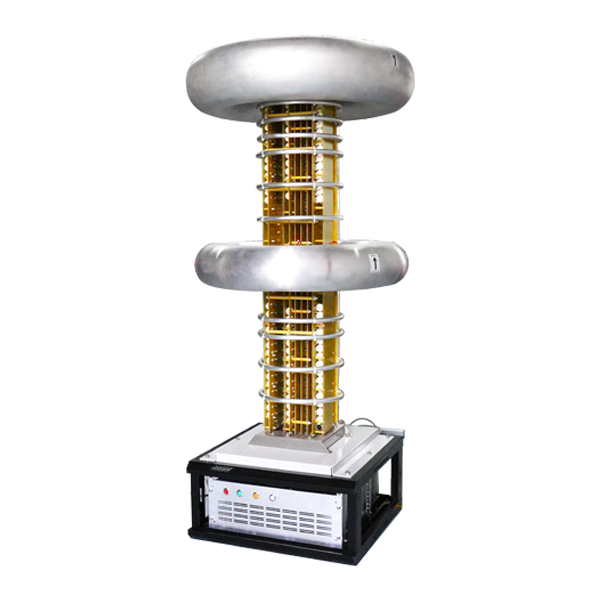
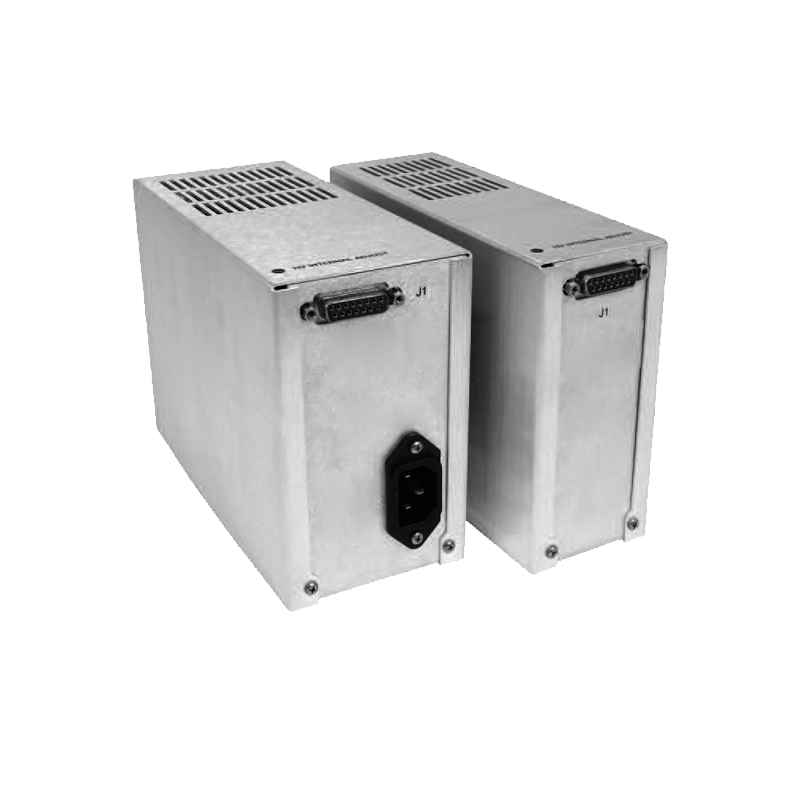
Electrospinning High Voltage Power Supply Voltage Effect on Fiber Diameter Distribution
Electrospinning has emerged as a versatile manufacturing process for producing nanofibers with diameters ranging from tens to hundreds of nanometers. The high voltage power supply serving electrospinning systems critically influences fiber diameter, diameter distribution, and production consistency. Understanding the relationships between power supply parameters and fiber characteristics enables optimization of this sophisticated manufacturing process for diverse applications including filtration, tissue engineering, and protective textiles. The unique properties of electrospun nanofibers derive from their extremely high surface area to volume ratio and interconnected pore structures. Nanofiber applications continue expanding into new fields requiring precise control of fiber properties.
Electrospinning operates by applying high voltage, typically 10 to 30 kilovolts, to a polymer solution or melt contained in a syringe or spinneret. The resulting electric field draws the polymer toward a grounded collector, forming a thin jet that undergoes whipping and stretching motions. As the jet travels, solvent evaporates or the melt solidifies, depositing solid fibers on the collector. The high voltage power supply determines the electric field strength driving this process, directly affecting jet formation, stability, and fiber characteristics. Field strength must be sufficient to overcome surface tension and viscoelastic forces resisting jet formation while maintaining stable operation. The interplay between electric field and polymer properties determines fiber formation dynamics.
Voltage magnitude significantly influences fiber diameter through its effect on jet acceleration and stretching. Higher voltages create stronger electric fields, accelerating the polymer jet more rapidly and subjecting it to greater extensional forces. This increased stretching typically produces finer fibers, with diameter reductions of 30 to 50 percent commonly observed when increasing voltage from 15 to 25 kilovolts. However, excessively high voltages cause jet instabilities leading to bead formation or multiple jet splitting, degrading fiber quality and increasing diameter variability. Voltage optimization must balance fiber fineness against process stability and defect formation. Optimal voltage depends on polymer properties and solution characteristics.
Fiber diameter distribution depends critically on voltage stability during electrospinning operation. Voltage fluctuations cause variations in jet stretching forces, producing fibers of varying diameters. Maintaining diameter distribution standard deviation below 15 percent of mean diameter requires voltage stability better than one percent. Applications demanding tighter distributions, such as filtration media requiring precise pore size control, require voltage stability exceeding 0.2 percent to achieve diameter distributions with standard deviations below 10 percent. Diameter distribution control becomes increasingly important as applications demand more consistent fiber properties for predictable performance. Distribution control requires stable power supply operation throughout production runs.
Ripple and noise on power supply output affect fiber diameter through mechanisms distinct from gradual voltage drift. High-frequency ripple above 100 hertz averages out during jet formation timescales typically spanning tens to hundreds of milliseconds, having minimal impact on fiber diameter. Lower frequency ripple below 10 hertz modulates jet stretching forces during fiber formation, potentially creating periodic diameter variations. Power supply designs for precision electrospinning typically achieve ripple below 0.1 percent below frequencies of 10 hertz while accepting higher ripple at frequencies averaging during fiber formation. Ripple specifications must be verified across the full operating voltage range. Ripple analysis informs power supply design optimization.
Current capability requirements depend on electrospinning configuration and polymer characteristics. Single-needle configurations typically draw currents below one milliampere, while multi-needle or needleless configurations can draw 5 to 10 milliamperes or higher. The power supply must deliver this current while maintaining voltage regulation within specified limits. Current measurement capability enables monitoring of jet stability, as current fluctuations indicate jet instabilities affecting fiber quality. Current monitoring provides valuable process diagnostic information supplementing visual observation and fiber characterization. Current measurement accuracy affects process monitoring capability.
Polarity selection impacts electrospinning performance and safety considerations. Positive high voltage applied to the polymer source with grounded collector represents the most common configuration, though negative polarity configurations offer advantages for certain polymers. Negative polarity operation produces more uniform electric field distributions for some configurations but requires careful attention to electrode geometry and material selection to prevent field emission from sharp edges. Polarity effects on fiber morphology depend on polymer charge carrier characteristics and solvent properties. Polarity selection must consider both performance and safety factors.
Multiple electrode configurations in advanced electrospinning systems require multiple independently controlled high voltage outputs. Auxiliary electrodes shaping the electric field or guiding the jet trajectory enable improved fiber alignment and deposition control. Power supplies for these systems must provide stable voltages for each electrode while managing interactions between channels. Isolation between channels prevents interference while coordinated control enables optimized field configurations. Multi-electrode systems expand process control capabilities but increase system complexity and coordination requirements. Multi-channel power supply design must account for channel interactions.
Safety requirements for electrospinning power supplies address hazards specific to this application. The combination of high voltage with volatile solvents in many electrospinning processes creates fire and explosion hazards requiring careful safety system design. Current limitation to values below ignition thresholds, typically below 5 milliamperes for most solvent atmospheres, prevents arc ignition of flammable vapors. Interlocks connecting to solvent handling systems prevent high voltage application when solvent vapor concentrations approach hazardous levels. Safety system design must account for both electrical and chemical hazards simultaneously present in electrospinning operations. Safety systems must operate reliably without false trips.
Environmental control of electrospinning enclosures interacts with power supply performance. Temperature and humidity affect polymer solution properties, indirectly influencing electrospinning behavior. Temperature variations also affect power supply voltage output, though well-designed supplies minimize temperature coefficients below 50 parts per million per degree Celsius. Integrated control of environmental conditions and power supply parameters enables optimal process operation. Environmental stability requirements depend on polymer sensitivity and fiber quality specifications. Environmental control contributes to consistent fiber production.
Automation requirements for production electrospinning demand power supply interfaces compatible with supervisory control systems. Analog interfaces accepting voltage setpoint commands and providing voltage and current readback enable integration with process controllers. Digital interfaces implementing standard communication protocols facilitate integration with manufacturing execution systems. Programmable voltage profiles enable automated process optimization without manual intervention. Automation enables consistent production reducing operator variability in manual electrospinning operations. Automation interfaces must satisfy both control and monitoring requirements.
Calibration procedures for electrospinning power supplies require specialized high voltage measurement equipment. Voltage measurement accuracy exceeding 0.1 percent verifies specification compliance, while current measurement accuracy of 0.5 percent suffices for monitoring applications. Regular calibration at intervals of six to twelve months maintains accuracy throughout equipment lifetime. Documentation of calibration results supports quality system requirements for regulated applications including medical device manufacturing. Calibration procedures must verify performance across the full operating range expected in production. Calibration supports quality assurance and regulatory compliance.