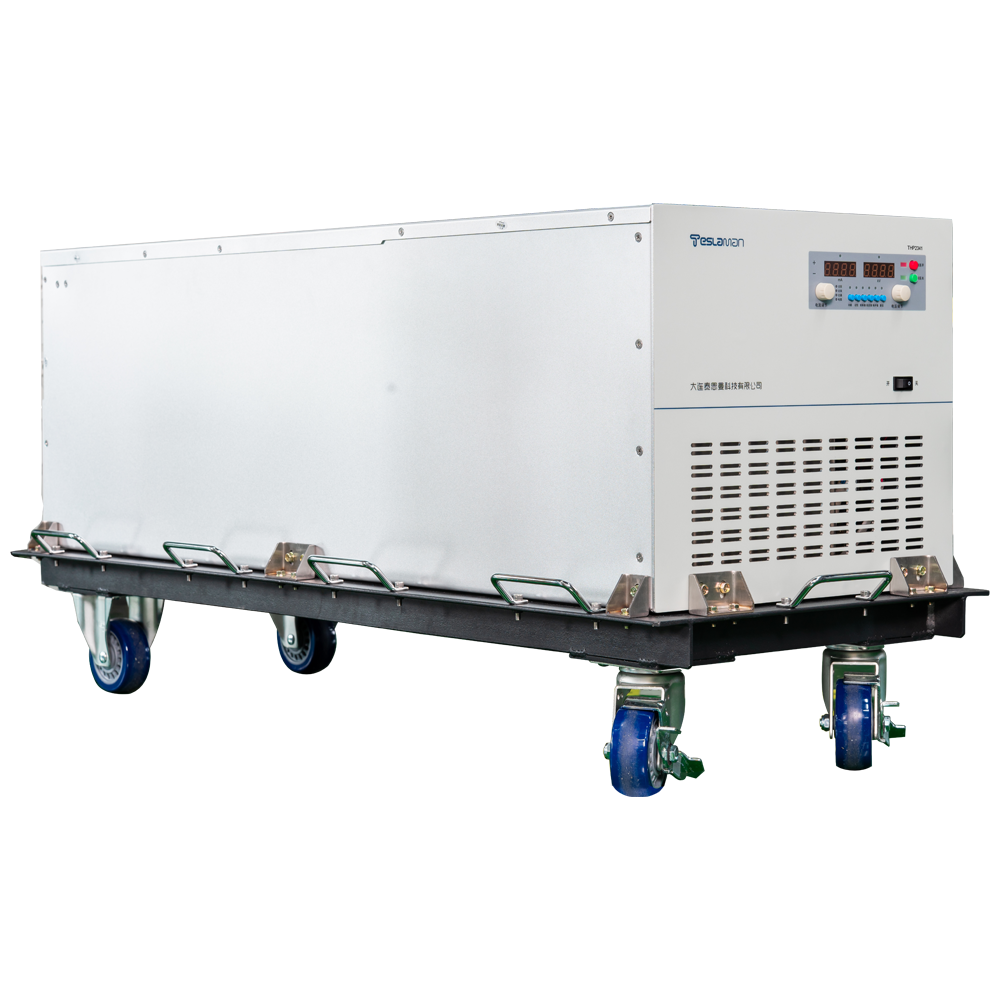
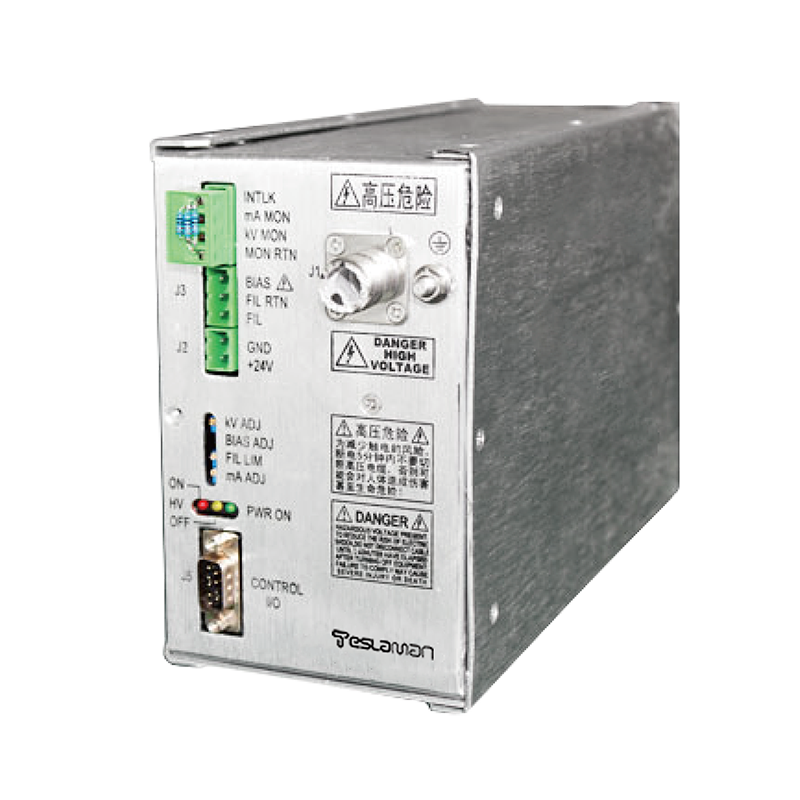
Capillary Electrophoresis High Voltage Power Supply Voltage in Gene Sequencing Auxiliary Equipment
Capillary electrophoresis systems employed in gene sequencing applications require high voltage power supplies with exceptional stability and precision characteristics. The separation process depends critically upon maintaining a stable electric field along the capillary length to achieve the resolution necessary for accurate base calling. Understanding the relationship between power supply performance and separation quality enables optimization of gene sequencing throughput and accuracy. This integration of high voltage power supply technology with gene sequencing represents a critical advancement in genomic research instrumentation.
The fundamental principle of capillary electrophoresis involves migration of charged molecules through a buffer-filled capillary under the influence of an applied electric field. In gene sequencing applications, fluorescently-labeled DNA fragments separate according to size as they migrate toward the detection window. The electric field strength, determined by the ratio of applied voltage to capillary length, directly affects migration velocity and hence separation time. Higher electric fields accelerate the separation process but may induce thermal effects that degrade resolution. The power supply must enable optimization of this trade-off between separation speed and resolution.
Temperature control within the capillary presents one of the most significant challenges in capillary electrophoresis power supply design due to Joule heating effects. Joule heating occurs as current flows through the buffer solution, creating temperature gradients that cause band broadening and reduced resolution. Power supplies designed for gene sequencing applications must maintain precise control of both voltage and current to enable effective thermal management. Advanced systems incorporate temperature monitoring and power adjustment capabilities that minimize thermal degradation of separation quality. Thermal management represents a critical design consideration for gene sequencing power supplies.
Voltage stability requirements for capillary electrophoresis exceed those of many other high voltage applications due to the sensitivity of migration time to electric field fluctuations. Variations in applied voltage cause changes in migration velocity that manifest as peak broadening and reduced resolution. Power supply designs optimized for capillary electrophoresis achieve voltage stability specifications approaching 0.01 percent over the duration of a separation run. This exceptional stability enables reproducible migration times essential for accurate peak identification. Achieving this stability level requires sophisticated control system design.
Ripple and noise specifications for gene sequencing power supplies must accommodate the sensitivity of optical detection systems that determine base calling accuracy. Voltage ripple creates periodic variations in migration velocity that can appear as baseline noise in the detected signal. Power supply designs incorporate extensive filtering networks that attenuate ripple components across the frequency spectrum. Residual ripple levels below 0.005 percent of output voltage are typically achievable with optimized filter designs. These low ripple levels are essential for achieving the signal-to-noise ratios required for accurate gene sequencing.
The separation capillary presents a resistive load to the power supply, with resistance values ranging from tens to hundreds of megohms depending upon buffer composition and capillary dimensions. This high impedance load creates particular challenges for voltage regulation, as very little current flows under normal operating conditions. Power supply designs must maintain accurate voltage regulation even when delivering currents in the microampere range. Specialized feedback networks and high-impedance voltage dividers enable precise control at these low current levels. High-impedance load regulation represents a specialized capability required for capillary electrophoresis power supplies.
Current monitoring capabilities in capillary electrophoresis power supplies support detection of capillary degradation and buffer depletion that affect separation quality. As capillaries age or when buffer conditions change, the current-voltage relationship shifts measurably. Power supplies designed for gene sequencing applications include precision current measurement circuits that enable detection of these changes. Current monitoring data supports predictive maintenance programs that prevent unexpected capillary failures during sequencing runs. Current monitoring represents an important diagnostic capability for sequencing instruments.
Sample injection procedures in capillary electrophoresis require coordinated control of high voltage application to achieve reproducible sample loading. Electrokinetic injection methods apply voltage to drive sample ions into the capillary, and the injection volume depends upon both voltage magnitude and application time. Power supplies must deliver precise, reproducible voltage pulses during the injection phase. Automated sequencing instruments rely upon the power supply to execute injection protocols with minimal operator intervention. Injection control represents a critical function of capillary electrophoresis power supplies.
Safety considerations in capillary electrophoresis systems center upon protection of operators and equipment from high voltage hazards present during operation. The capillary and electrode assemblies operate at potentials exceeding 20 kilovolts in many systems, necessitating comprehensive safety interlocks. Power supply designs must include mechanisms that prevent voltage application when access panels are open or when capillary integrity is compromised. Emergency shutdown circuits must rapidly remove voltage upon detection of fault conditions. Safety system design is essential for protecting personnel and equipment in sequencing laboratories.
Integration with automated gene sequencing instruments requires power supplies with sophisticated communication capabilities that enable seamless operation. The sequencing instrument controller must set voltage levels, monitor operating parameters, and receive status information throughout the sequencing run. Digital interfaces support these communication requirements while enabling remote diagnostics and firmware updates. Comprehensive data logging capabilities support quality assurance programs essential for clinical and research applications. Communication capabilities have become increasingly important in modern sequencing instruments.
Capillary temperature control systems in gene sequencing instruments require coordination with the high voltage power supply to achieve optimal separation conditions. The instrument thermal management system maintains capillary temperature at a setpoint optimized for separation performance. Changes in applied voltage affect Joule heating rates, and sophisticated instruments coordinate power delivery with temperature control to maintain stable thermal conditions. This coordination enables operation at higher electric fields than would otherwise be achievable. Temperature coordination represents an advanced capability in modern sequencing instruments.
Power supply reliability in gene sequencing applications directly affects instrument uptime and throughput in production sequencing environments. Sequencing instruments may operate continuously for extended periods, processing hundreds of samples per day. Power supply failures interrupt this workflow and may require expensive instrument servicing. Conservative design approaches with generous component derating factors have proven effective in achieving the reliability levels necessary for production sequencing environments. Reliability is a critical specification for gene sequencing power supplies. The demanding requirements of gene sequencing applications have driven significant advancements in high voltage power supply technology.