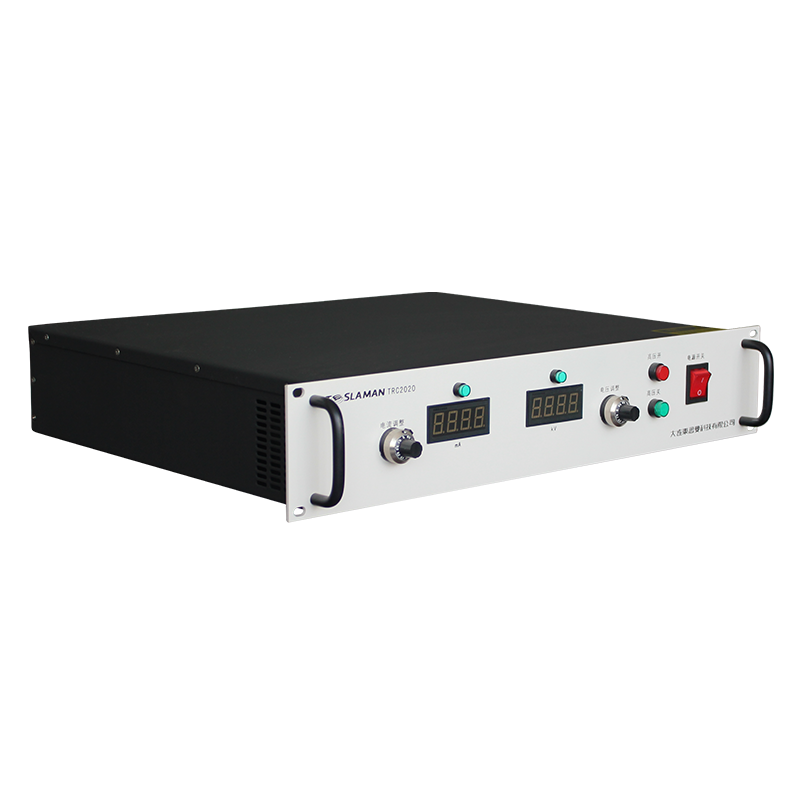
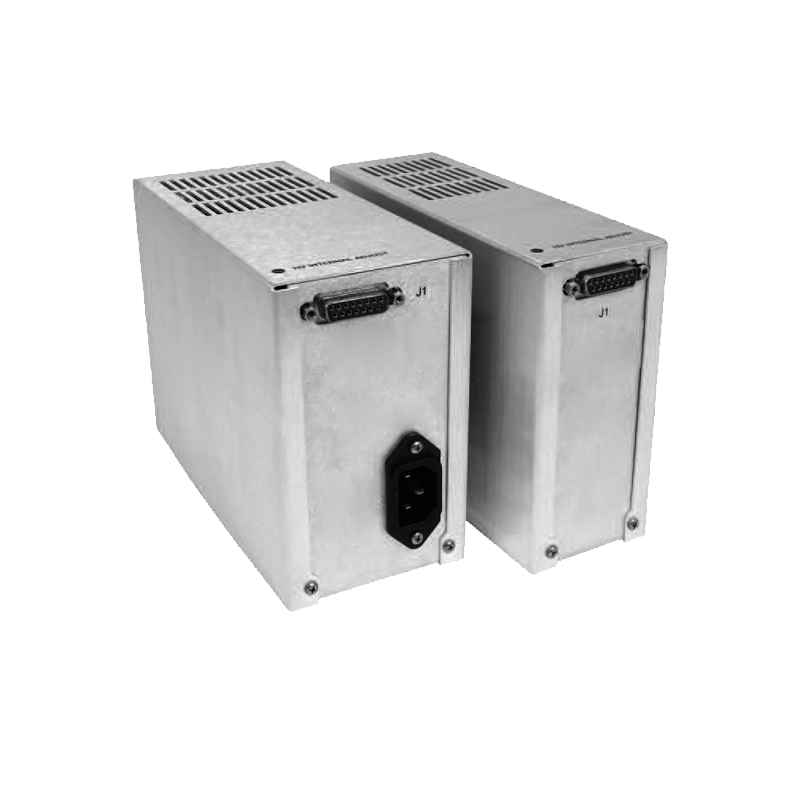
Electron Beam System High Voltage Power Supply Application in Microelectronic Device Modification
Microelectronic device modification processes utilizing electron beam systems demand exceptional precision from high voltage power supplies to achieve the dimensional accuracy required by advanced semiconductor applications. The ability to selectively modify structures with nanometer-scale precision depends critically upon the stability and controllability of the electron accelerating voltage. Understanding these requirements enables development of power supplies optimized for semiconductor device modification applications. This integration of high voltage technology with semiconductor processing represents a specialized engineering discipline.
Electron beam systems for microelectronic modification operate on principles similar to scanning electron microscopes, with the addition of capabilities for material deposition and removal. The electron beam is focused to a small spot on the target surface, and beam position is controlled to trace specific patterns. The accelerating voltage, typically ranging from 5 to 30 kilovolts for modification applications, determines both the beam energy and the achievable spot size. Power supply characteristics directly influence the precision of modification operations. Understanding these relationships is essential for achieving desired modification results.
Voltage stability requirements for microelectronic modification exceed those of most other electron beam applications due to the extreme precision required. Voltage variations cause changes in beam focus and position that can produce dimensional errors in the modified structures. For nanometer-scale modifications, voltage stability approaching 10 parts per million may be required over the duration of a modification sequence. Power supplies designed for these applications incorporate precision reference circuits and low-drift components that achieve the necessary stability. Achieving this stability level represents a significant engineering achievement.
Beam current control in modification systems requires coordination with the high voltage power supply to achieve precise material processing. The beam current determines the rate of material deposition or removal, and precise current control is essential for reproducible modification results. Current regulation circuits must respond rapidly to command changes while maintaining stability under varying emission conditions. The relationship between beam current and modification rate must be characterized for each material and process condition. Current control represents a critical capability for electron beam modification systems.
Thermal management in electron beam systems presents particular challenges due to the sensitivity of electronic components to temperature variations that affect system performance. The power supply generates heat during operation, and temperature changes cause component value drift that affects output stability. Precision power supplies for modification applications incorporate temperature-controlled environments for critical circuits. Active temperature stabilization maintains component temperatures within narrow ranges despite variations in ambient temperature and power dissipation. Thermal stability represents a critical requirement for precision modification systems.
Vacuum system requirements for electron beam modification include stable operation over extended periods while maintaining the ultra-high vacuum necessary for electron propagation. The power supply must operate reliably in conjunction with vacuum pumping systems and must include interlocks that prevent operation when vacuum conditions are inadequate. Vacuum pressure monitoring circuits provide input to power supply control systems that enable operation only when proper vacuum exists. Vacuum integration represents an important aspect of electron beam system design.
Beam scanning systems for pattern generation require precise synchronization with power supply operation to achieve accurate pattern dimensions. The deflection coils that position the beam depend upon electron energy for proper calibration. Changes in accelerating voltage alter deflection sensitivity, potentially causing dimensional errors in the modified pattern. Power supply designs must maintain voltage within specifications throughout the pattern generation sequence, enabling accurate beam positioning without recalibration. Pattern accuracy depends critically on voltage stability.
Contamination control in electron beam modification systems depends partially upon power supply characteristics through their influence on beam energy. Hydrocarbon contamination from beam-induced cracking of residual gases can deposit on modified surfaces, affecting electrical properties. Lower beam energies reduce this contamination effect but may limit modification capabilities. Power supplies must enable operation across a range of voltages to support optimization of modification parameters for specific applications. Contamination management represents an important consideration for modification system design.
Charging effects in microelectronic modification create particular challenges for beam control when modifying insulating materials. Insulating materials accumulate charge under electron irradiation, creating local electric fields that deflect the beam. Power supply designs may incorporate special operating modes that mitigate charging effects through adjustment of beam energy or current. Understanding the relationship between charging behavior and power supply parameters enables optimization of modification processes for various material types. Charging effect management represents a specialized capability for modification systems.
Calibration and metrology systems for electron beam modification require accurate measurement of beam parameters that depend upon power supply characteristics. Beam energy, determined by accelerating voltage, must be known precisely to calculate expected modification dimensions. Power supply voltage monitoring circuits must provide accurate measurements traceable to national standards. Regular calibration verifies that power supply performance continues to meet modification requirements throughout the operational lifetime. Calibration represents an essential quality assurance activity for modification systems.
Integration with computer-aided design systems enables automated execution of complex modification sequences that would be impractical through manual operation. The power supply must execute commands for voltage and current changes with precise timing while maintaining stability at each operating point. Pattern generation software depends upon predictable, reproducible power supply behavior to produce accurate modifications. Digital communication interfaces support the integration necessary for automated modification systems. Automation capabilities have become increasingly important in semiconductor device modification.
Reliability considerations for microelectronic modification power supplies reflect the high value of the devices being modified in semiconductor manufacturing. Power supply failures during modification operations can damage expensive workpieces and lose valuable production time. Conservative design approaches and comprehensive monitoring systems enable prediction of potential failures before they cause workpiece damage. Mean time between failures exceeding 30,000 operational hours has become typical for power supplies in production modification systems. Reliability represents a critical specification for modification power supplies. The demanding requirements of microelectronic device modification have driven significant advancements in precision high voltage power supply technology. The optimization of power supply parameters for electrostatic flocking continues to evolve as automotive manufacturers develop new interior materials and quality requirements. Advanced process monitoring and control systems enable consistent quality across diverse production conditions. These demanding requirements have established new standards for power supply performance in precision manufacturing applications.