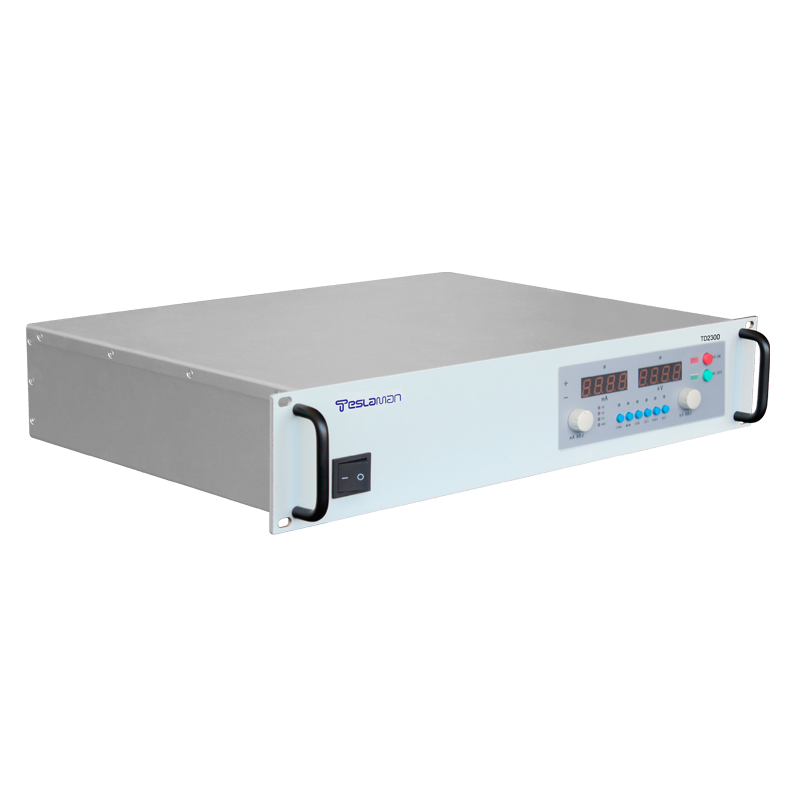
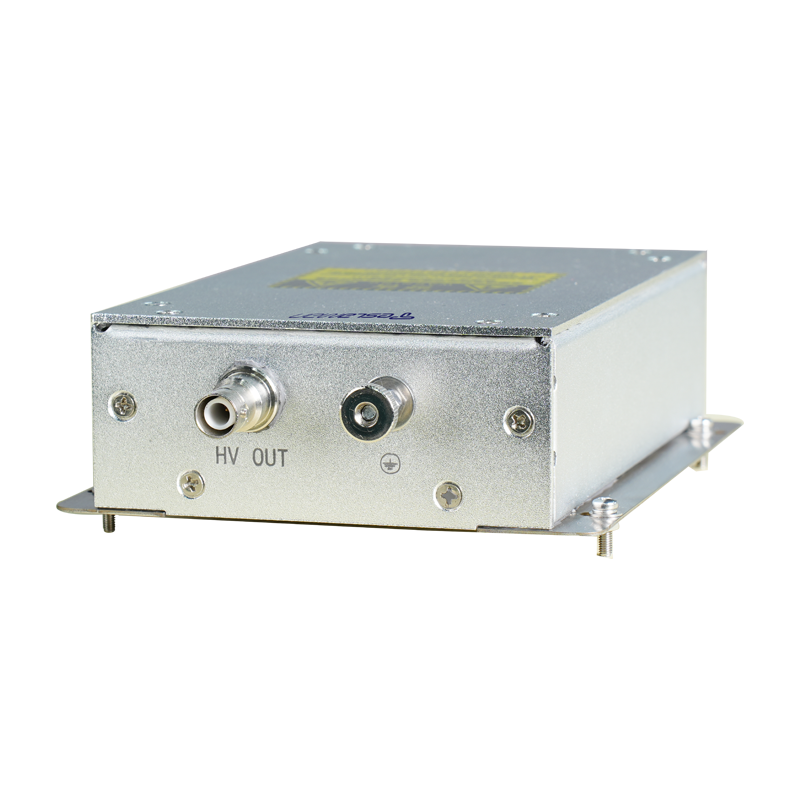
450kV High Voltage Power Supply Penetration in Bridge Steel Structure Nondestructive Testing
Nondestructive testing of bridge steel structures is essential for ensuring the safety and reliability of transportation infrastructure. High voltage power supplies operating at 450 kilovolts provide the X-ray generating capability required for penetrating thick steel sections commonly found in bridge structures. The penetration capability of the X-ray beam, determined by the accelerating voltage of the X-ray tube, must be sufficient to reveal internal defects such as cracks, voids, inclusions, and weld discontinuities that could compromise the structural integrity of the bridge.
The 450 kilovolt X-ray inspection system uses an X-ray tube where electrons are accelerated from a heated cathode to a tungsten target by the high voltage applied between the cathode and the anode. The high voltage power supply provides the accelerating potential that determines the energy of the X-ray photons produced by the tube. Higher voltage produces higher energy X-rays that can penetrate thicker steel sections. The 450 kilovolt level is well suited for inspecting steel bridge components with thicknesses ranging from 10 to 80 millimeters, covering the typical range of structural elements in highway and railway bridges.
The penetration of X-rays through steel follows an exponential attenuation law, where the intensity of the transmitted beam decreases with increasing material thickness. The half-value layer for 450 kilovolt X-rays in steel is approximately 10 to 15 millimeters, depending on the specific X-ray spectrum and the filtration used. The high voltage power supply must maintain a stable output voltage to ensure consistent X-ray energy and penetration capability throughout the inspection process. Voltage variations of more than 1 percent can cause noticeable changes in the X-ray intensity and the image quality.
The X-ray tube current, controlled by the filament heating power supply, determines the number of X-ray photons produced per unit time. The high voltage power supply must provide a stable accelerating voltage while the tube current is adjusted to achieve the desired exposure rate. The power supply must be capable of delivering the tube current, typically 3 to 10 milliamperes at 450 kilovolts, without significant voltage drop. The output power rating of the power supply, typically 2 to 5 kilowatts, must be sufficient to maintain the required voltage at the maximum tube current.
Image quality in radiographic testing depends on the contrast and resolution of the resulting radiograph. The high voltage power supply affects image contrast through the X-ray energy spectrum, where higher energy X-rays produce lower contrast but better penetration. The selection of the operating voltage must balance the requirements for penetration and contrast to achieve the sensitivity needed for detecting the relevant defect types. The power supply must provide stable voltage to prevent changes in image quality during the exposure.
Exposure time in radiographic testing is determined by the required film density or digital detector signal level, the X-ray intensity, and the material thickness. The high voltage power supply must maintain stable output throughout the exposure, which can range from a few seconds to several minutes for thick sections. Voltage drift during the exposure causes a change in the X-ray intensity, resulting in non-uniform exposure across the radiograph. The power supply regulation must be better than 0.5 percent over the full exposure duration to ensure consistent image quality.
Portable 450 kilovolt X-ray systems used for field inspection of bridge structures must be designed for reliable operation in challenging outdoor environments. The high voltage power supply must withstand temperature extremes, humidity, and mechanical shock during transport and operation. The power supply enclosure must be sealed against moisture and dust ingress. The cooling system must be effective at ambient temperatures ranging from minus 10 to plus 50 degrees Celsius. The power supply must operate reliably from portable generators or battery power sources that may have variable voltage and frequency.
The safety requirements for 450 kilovolt X-ray systems used in bridge inspection are stringent due to the radiation hazard associated with high energy X-rays. The high voltage power supply must be interlocked with the radiation shielding and the beam collimator to prevent accidental exposure. The power supply must include fast shutdown circuits that terminate the X-ray production within milliseconds of detecting a fault condition. The radiation safety system must include redundant monitoring and control channels to ensure fail-safe operation.
The high voltage cable connecting the power supply to the X-ray tube must be designed for the 450 kilovolt operating voltage and the harsh field conditions. The cable insulation must withstand the voltage without partial discharge or breakdown. The cable connectors must be robust and reliable, with proper voltage grading to prevent corona discharge at the connection points. The cable length must be sufficient to allow positioning of the X-ray tube at the inspection location while the power supply remains at a safe distance.
Digital radiography systems are increasingly used for bridge inspection, offering advantages in image quality, processing speed, and data management. The digital detector requires a stable X-ray beam for consistent image quality, and the high voltage power supply must provide the required voltage stability. The digital image processing algorithms can compensate for some variations in exposure, but the best results are obtained with a stable X-ray source. The power supply control system must interface with the digital imaging system to coordinate the exposure timing and the image acquisition.
The inspection of welded joints in bridge structures requires particular attention to the detection of weld defects that could lead to structural failure. The high voltage power supply must provide the penetration capability to examine the full thickness of the weld, including the reinforcement and the heat-affected zone. The radiographic technique must be optimized for the specific weld geometry and the expected defect types. The power supply voltage and current settings must be selected to achieve the required sensitivity for detecting the relevant weld defects.
The periodic inspection of bridge structures requires consistent radiographic techniques to allow comparison of results over time. The high voltage power supply must be calibrated regularly to ensure that the X-ray output is consistent from one inspection to the next. The calibration includes verification of the voltage accuracy, the tube current, and the exposure timer. The calibration records must be maintained as part of the quality assurance program for the inspection services.
The maintenance of 450 kilovolt high voltage power supplies used in bridge inspection includes regular inspection of the high voltage components, testing of the insulation resistance, and verification of the safety systems. The X-ray tube, which is a consumable component with a finite lifetime, must be replaced periodically. The power supply must be designed to facilitate the replacement of the X-ray tube and other components that require periodic maintenance. The maintenance schedule must be based on the operating hours and the manufacturer recommendations.
In conclusion, the 450 kilovolt high voltage power supply is a critical component in X-ray systems for nondestructive testing of bridge steel structures, providing the penetration capability required for inspecting thick steel sections. The stability and reliability of the power supply directly affect the image quality and the effectiveness of the inspection. The continued development of high voltage power supply technology supports the advancement of nondestructive testing methods for infrastructure inspection, contributing to the safety and reliability of bridge structures.