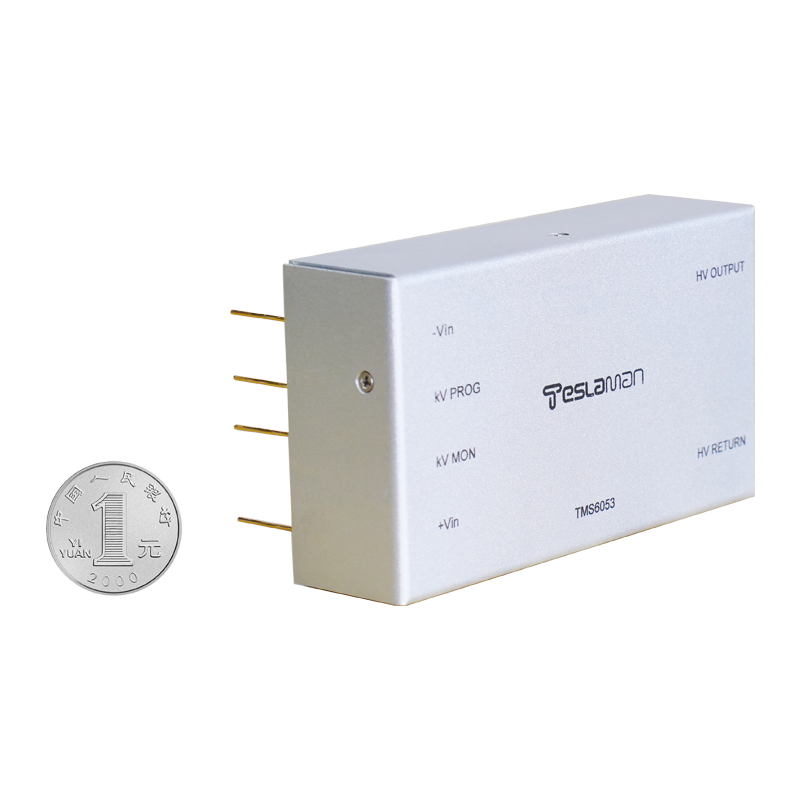
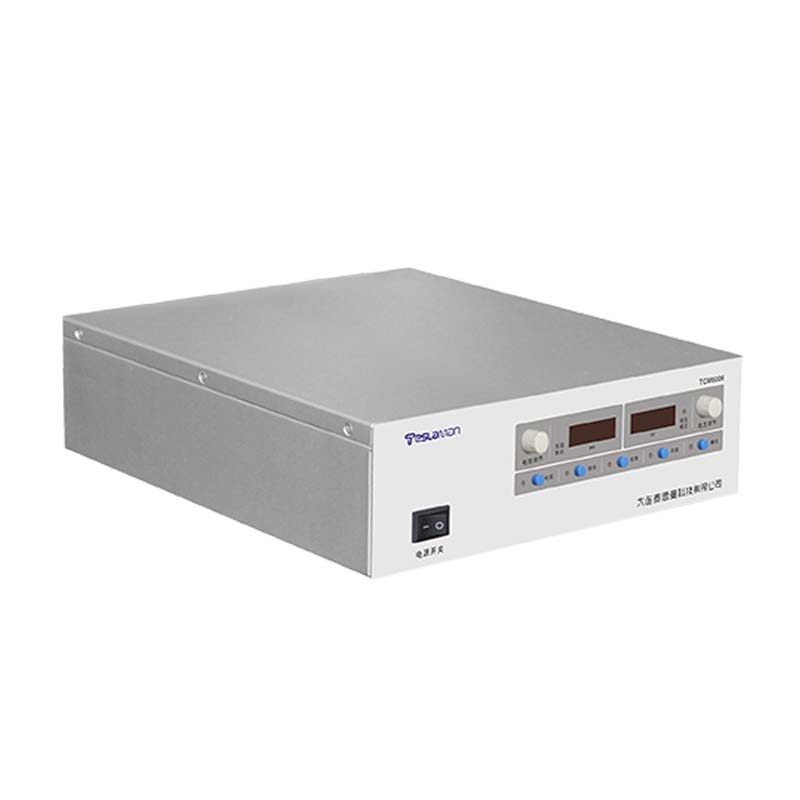
Capillary Electrophoresis High Voltage Power Supply High Voltage Gradient in Single Cell Analysis
Single cell analysis has emerged as a powerful methodology for understanding cellular heterogeneity in biological research and clinical diagnostics. Capillary electrophoresis provides a versatile platform for separating and analyzing individual cells based on their electrical charge and size properties. At the heart of capillary electrophoresis systems is a high voltage power supply that generates the electric field necessary to drive cell migration through the capillary. The quality of the electric field, particularly its uniformity and stability, directly determines the resolution and reproducibility of single cell analysis. The power supply must deliver precise voltage gradients that can be adjusted to optimize separation conditions for different cell types and experimental requirements.
The operating principle of capillary electrophoresis for single cell analysis relies on the application of a high voltage gradient across a capillary tube filled with a conductive buffer solution. When a voltage is applied between electrodes placed at opposite ends of the capillary, charged cells migrate through the solution at rates determined by their charge-to-mass ratio and the electric field strength. The power supply typically provides voltages ranging from 500 to 30,000 volts, with the ability to operate in both constant voltage and constant current modes. For single cell analysis, constant voltage mode is preferred because it provides a uniform electric field that produces consistent migration times. The voltage must be maintained with high stability, typically better than 0.1 percent, to ensure reproducible cell separations across multiple analysis runs. Even minor voltage variations can cause measurable shifts in migration time, which affects the identification and quantification of individual cell populations.
The generation of high voltage gradients for capillary electrophoresis requires careful attention to the electrical design of the power supply and the capillary cell assembly. The power supply employs a high frequency inverter followed by a voltage multiplier to generate the required output voltage. Voltage regulation is achieved through a closed-loop feedback system that monitors the voltage across the capillary electrodes and adjusts the inverter drive accordingly. The high voltage output is floating relative to ground to prevent ground loops and ensure uniform field distribution. The electrode design also influences the electric field uniformity, with platinum electrodes commonly used for their electrochemical stability. The capillary chamber is typically temperature-controlled to maintain consistent buffer conductivity, which affects the relationship between voltage and field strength. Temperature variations of even one degree Celsius can alter buffer conductivity by several percent, necessitating tight temperature control for reproducible results.
Pulsed electric field capabilities represent an advanced feature of modern capillary electrophoresis power supplies for single cell analysis. By applying voltage pulses rather than continuous voltage, the power supply can create dynamic electric field conditions that improve separation resolution for cells with similar charge-to-mass ratios. Pulsed field operation also reduces the risk of sample damage that can occur with prolonged exposure to high electric fields. The power supply must generate voltage pulses with precise timing and amplitude control, with typical pulse durations ranging from microseconds to milliseconds and repetition rates adjustable from 10 to 10,000 hertz. The pulse shape, whether sinusoidal, rectangular, or triangular, can be selected based on the specific separation requirements. This flexibility allows researchers to optimize separation conditions for a wide range of cell types, from small circulating tumor cells to large immune cells. The pulsed mode also enables field-gradient elution techniques where the electric field strength is varied during the separation to improve resolution of closely migrating cell populations.
Safety considerations are paramount in the design of high voltage power supplies for capillary electrophoresis. The high voltages involved pose electrical hazards, and the presence of biological samples adds biohazard concerns. The power supply incorporates multiple safety features, including isolated output stages to prevent electrical shock, overcurrent protection to limit fault currents, and ground fault detection to identify leakage currents. The capillary chamber is enclosed in a safety interlock system that automatically de-energizes the power supply when opened. Additionally, the power supply includes a rapid discharge circuit that safely dissipates residual voltage within milliseconds of shutdown. These safety measures ensure that the high voltage system can be operated safely by laboratory personnel without specialized high voltage training, making single cell analysis accessible to a broader range of research and clinical applications. The power supply also includes visual and audible warning systems that alert operators to high voltage conditions and remind them of safety procedures before accessing the capillary chamber.
The integration of the high voltage power supply with the capillary electrophoresis system extends beyond simple voltage delivery. The power supply control system interfaces with the capillary temperature controller, sample injection system, and fluorescence detector to coordinate the complete analytical workflow. Voltage ramping at the start of each run is synchronized with sample injection timing, ensuring that cells begin migrating through the capillary at a precisely defined moment. Voltage shutdown at the end of each run is coordinated with the data acquisition system to capture the complete electropherogram. Advanced systems also support automated voltage optimization routines that adjust the electric field strength based on the measured conductivity of the buffer solution, compensating for variations between different buffer preparations. This level of integration ensures consistent analytical performance across multiple runs and different operators.
The development of high voltage power supplies for capillary electrophoresis continues to address the evolving needs of single cell analysis research. Newer designs incorporate multichannel output capabilities that enable simultaneous analysis of multiple capillaries, increasing sample throughput for applications requiring large cell population statistics. Integrated cooling systems within the power supply housing manage the heat generated during extended runs, maintaining stable performance throughout multi-hour analytical sessions. Compact and lightweight designs make the systems suitable for deployment in specialized research laboratories and clinical diagnostic settings. The power supply also supports remote monitoring and control capabilities, allowing operation and troubleshooting from central laboratory management systems. These advances continue to enhance the utility of capillary electrophoresis as a tool for single cell analysis in both basic research and clinical applications.
The performance validation of high voltage power supplies for capillary electrophoresis involves testing with standardized cell samples to verify separation resolution and reproducibility. Reference cell populations with known charge-to-mass ratios are used to calibrate the voltage gradient and verify the linearity of the migration time versus field strength relationship. The power supply must demonstrate that it can maintain a constant electric field across the capillary length, with field uniformity verified through measurements at multiple points along the capillary. Long-term stability testing verifies that voltage regulation is maintained over thousands of analysis cycles, ensuring consistent performance for high-throughput screening applications. These validation procedures establish the reliability and accuracy of the power supply for demanding single cell analysis applications.