Ampoule Inspection High Voltage Power Supply in Sterile Packaging Detection
Sterile packaging inspection constitutes a critical quality control step in the pharmaceutical and biotechnology industries, ensuring that ampoules, vials, and other containment vessels maintain their sterility throughout processing, storage, and distribution. The detection of leaks, cracks, and defects in sterile packaging requires highly sensitive inspection techniques that can identify breaches at the nanoscale level. High voltage power supply technology has emerged as a key enabling factor in advanced ampoule inspection systems, providing the precise electrical signals necessary for non-destructive defect detection.
High voltage pulse testing represents one of the most effective methods for detecting defects in sterile ampoule packaging. The principle involves applying a high voltage pulse across the ampoule, creating an electric field that interacts with any defects in the glass or seal. When a defect such as a crack, pinhole, or incomplete seal is present, the electric field causes a localized breakdown that generates a detectable electrical signal. The high voltage power supply generates precisely controlled voltage pulses with defined amplitude, duration, and repetition rate, ensuring consistent and reliable detection of defects across a wide range of ampoule sizes and materials.
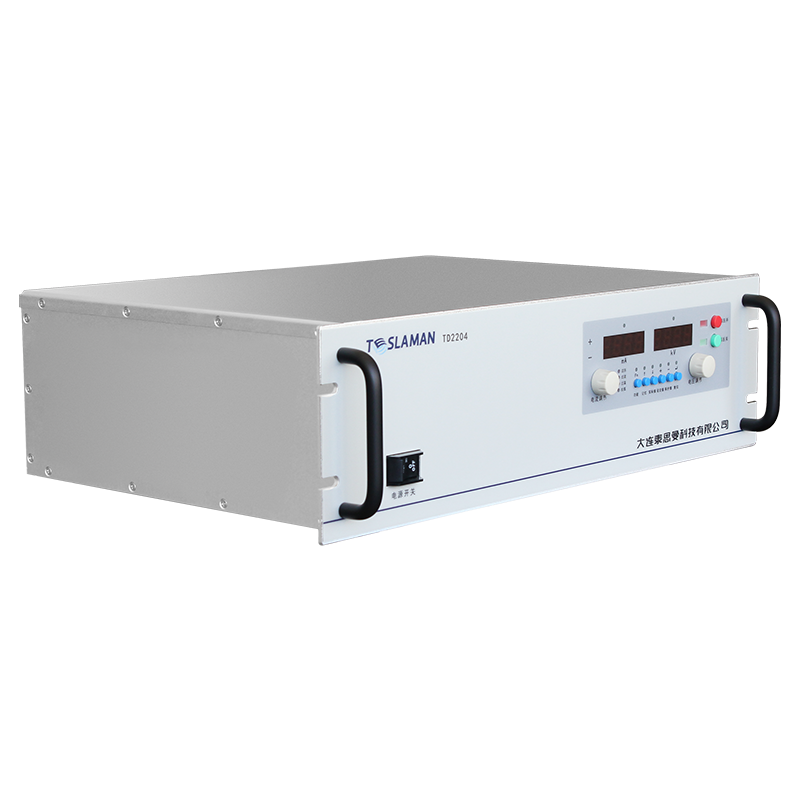
The ampoule inspection high voltage power supply must operate within stringent parameters to ensure accurate detection without causing damage to the packaging or compromising product sterility. Typical operating voltages range from 5kV to 30kV, with pulse durations measured in microseconds. The voltage must rise and fall rapidly with minimal overshoot or ringing to avoid spurious signals that could be mistaken for defects. The pulse repetition rate can be adjusted based on the inspection throughput requirements, with modern systems capable of inspecting several hundred ampoules per minute while maintaining detection accuracy.
The detection mechanism relies on measuring the electrical response of the ampoule to the applied high voltage pulse. An intact ampoule with proper seal integrity exhibits a consistent electrical signature characterized by a specific charging current profile and minimal discharge activity. In contrast, a defective ampoule shows anomalous current behavior including rapid discharge spikes, erratic charging characteristics, or sustained current flow after the pulse has been applied. The high voltage power supply is integrated with high-speed current and voltage measurement circuits that capture these electrical responses with nanosecond resolution.
Signal processing algorithms analyze the captured electrical data to classify each ampoule as acceptable or defective. The algorithms compare the measured electrical signature against reference patterns stored in a database, accounting for variations in ampoule geometry, glass composition, and seal configuration. Machine learning techniques are increasingly being employed to improve classification accuracy, with algorithms trained on large datasets of known good and defective ampoules. This enables the system to detect subtle defects that may be missed by conventional threshold-based detection methods.
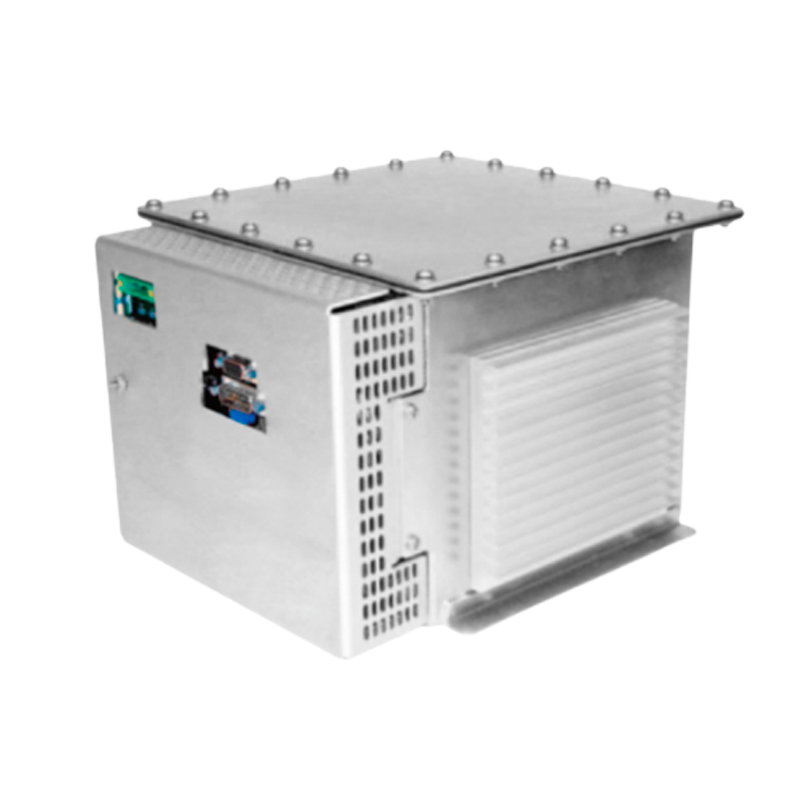
The high voltage power supply design for ampoule inspection incorporates several features to ensure safe operation in sterile environments. All high voltage components are enclosed in sealed housings that prevent contamination and maintain sterility. The power supply employs energy-limited circuitry that restricts the maximum energy delivered to any single ampoule, preventing damage to the product or the packaging even in the event of a direct electrical breakdown. Additionally, comprehensive grounding and shielding measures protect operators and prevent electromagnetic interference with other inspection equipment in the production line.
Integration with automated handling systems is essential for high-throughput ampoule inspection. The high voltage power supply must be synchronized with the material handling system to ensure that each ampoule is positioned correctly between the high voltage electrodes during the pulse application. The synchronization system employs precise positional sensors and timing controllers that coordinate the ampoule movement with the voltage pulse application, ensuring that the inspection occurs at the correct location and with the correct electrical parameters.
The performance of the high voltage power supply directly influences the detection capability of the inspection system. Factors such as voltage stability, pulse rise time, noise floor, and measurement resolution all contribute to the system's ability to detect defects at the required sensitivity level. Advanced power supply designs incorporate low-noise voltage regulators, high-speed switching circuits, and precision measurement amplifiers to minimize background noise and maximize the signal-to-noise ratio for defect detection. This enables reliable identification of defects as small as 1 micrometer in diameter.
Validation and calibration of the high voltage power supply inspection system are critical for maintaining regulatory compliance in pharmaceutical manufacturing. The system must be regularly calibrated against reference standards to ensure that the applied voltage and measurement accuracy remain within specified tolerances. Calibration procedures involve using calibrated reference ampoules with known defects at various sizes and locations to verify detection sensitivity. The calibration data is documented and maintained as part of the quality control records required by regulatory agencies.
Recent advancements in high voltage power supply technology have expanded the capabilities of ampoule inspection systems. Multi-channel power supplies can simultaneously test multiple ampoules, significantly increasing inspection throughput. Adaptive voltage control can adjust the pulse parameters based on the specific characteristics of each ampoule type, optimizing detection sensitivity for different products. Integration with process analytical technology enables real-time monitoring of inspection performance and automatic adjustment of power supply parameters to maintain optimal detection conditions throughout the production run.
In conclusion, the high voltage power supply is an indispensable component of modern ampoule inspection systems for sterile packaging detection. Its ability to deliver precisely controlled voltage pulses with exceptional stability and accuracy enables reliable detection of packaging defects that could compromise product sterility. As pharmaceutical manufacturing demands continue to evolve, the high voltage power supply technology for ampoule inspection will remain at the forefront of quality assurance innovation, ensuring the safety and efficacy of sterile pharmaceutical products for patients worldwide.