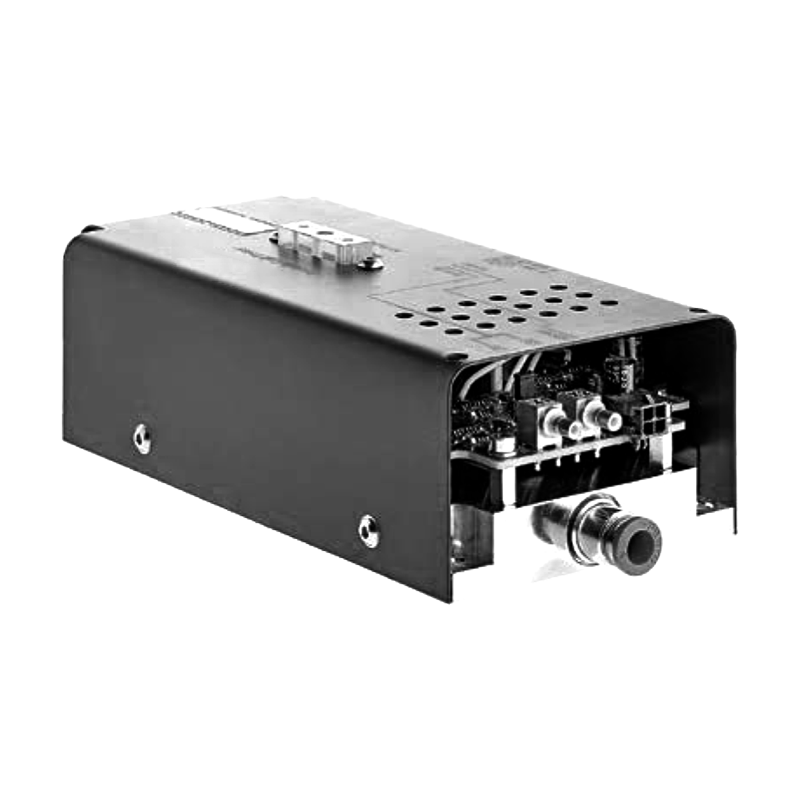
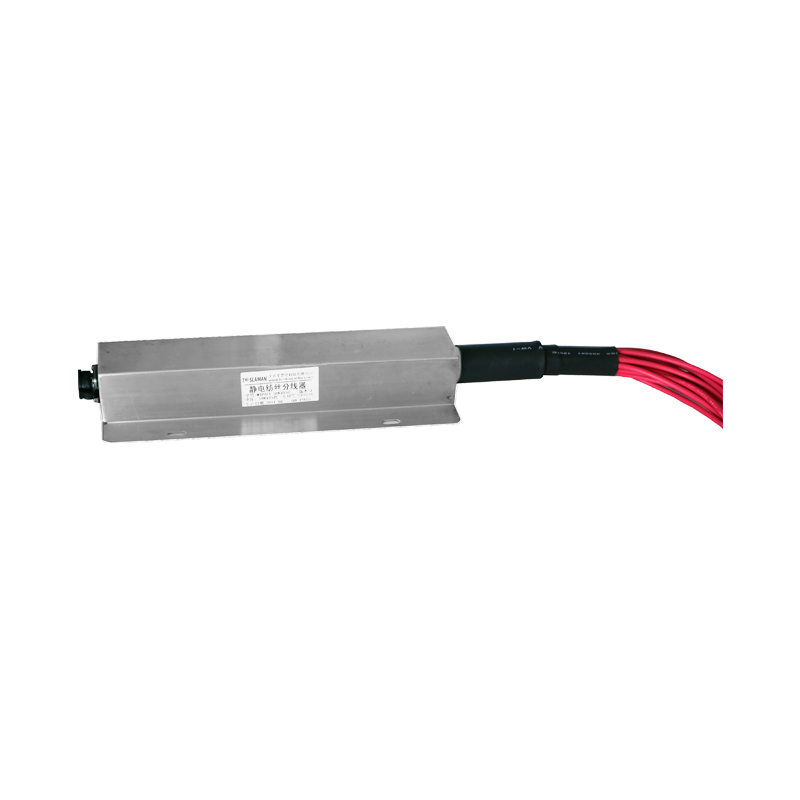
Electrostatic Spraying High-Voltage Supply in Wind Power Equipment Anticorrosion Coating
Electrostatic spraying high-voltage supplies generate the electric field that drives paint droplets toward wind power equipment surfaces, improving transfer efficiency and coating uniformity in large-scale anticorrosion operations. The supply must deliver stable high voltage over long coating shifts while tolerating the varying load presented by the spray cloud and the grounded workpiece. Application of electrostatic spraying supplies in wind power anticorrosion coating requires examination of process requirements, output design, control behavior, and field verification.
The process requirements of wind power coating define the electrical operating envelope. Tower sections, nacelle housings, and blade surfaces differ in geometry and present different field distributions, so the supply must provide an adjustable voltage range that matches each coating stage. Transfer efficiency targets set the operating voltage, and coating thickness uniformity constrains the voltage fluctuation during the spray. The environmental conditions of the coating hall, including temperature, humidity, and solvent vapor, also influence the output requirements.
The electrostatic spraying mechanism links the supply output to the coating quality. A high voltage applied to the spray gun electrode charges the paint droplets, and the electric field between the electrode and the grounded workpiece accelerates the droplets toward the surface. Wrap-around deposition improves the coverage of edges and recesses, while excessive voltage produces corona discharge that degrades the droplet charging. The supply must therefore maintain the output at the optimum level for the prevailing process conditions.
The output design of the spraying supply emphasizes stability and controllability. A regulated high-voltage section converts the input power to the required output with tight voltage regulation, and the current limiting stage protects the circuit during arcing events. The output impedance is designed to sustain the charging current of the spray cloud without excessive droop, and the ripple content is kept below the level that would disturb the droplet formation. The voltage reference is adjustable from the control panel or from the process control system.
The control behavior of the supply addresses the dynamic conditions of the coating process. The control loop holds the output voltage constant as the spray current varies with the gun distance and the paint flow rate. Fast current limiting prevents damage during a flashover, and automatic recovery restores the output after the arc extinguishes. The control system records the operating parameters for each coating batch, supporting the analysis of process consistency and the optimization of the coating recipe.
Field verification of the spraying supply covers the electrical and the process performance. Voltage accuracy tests confirm the setpoint tracking, load tests validate the behavior under varying spray current, and arcing tests demonstrate the protection and recovery functions. Coating trials measure the transfer efficiency and the thickness distribution achieved with the supply settings. The measured results form the acceptance basis for the supply in the wind power coating application.
The engineering value of the electrostatic spraying supply appears in the coating quality and the material economy of the wind power production. Higher transfer efficiency reduces the paint consumption, uniform film thickness improves the corrosion protection, and stable operation minimizes the coating defects. The supply therefore occupies a key position in the anticorrosion line, and the performance of the supply directly influences the service life of the coated equipment. Continuous refinement of the spraying technology will keep the supply aligned with the growing demands of wind power equipment protection.
Environmental adaptability of the spraying supply deserves separate consideration. Temperature changes in the coating hall affect the output accuracy and are managed by thermal compensation of the reference circuits and by the cooling design of the enclosure. Humidity and solvent vapor in the atmosphere influence the flashover behavior and are addressed by the protection margin and by the sealed construction of the high-voltage section. Input voltage variation is absorbed by the front-end regulation so that the output remains independent of the plant condition. Validation of the environmental behavior covers the coating hall conditions throughout the year.
Reliability of the spraying supply in continuous coating production depends on the protection design and on the monitoring of the critical components. The high-voltage section operates under corona stress and requires careful insulation management, the current limiting path needs regular inspection, and the arcing history must be recorded for condition assessment. Reliability verification includes long coating shifts, repeated flashover tests, and periodic measurement of the insulation resistance. The maintenance plan is based on the operating data so that worn parts are replaced before a failure interrupts the coating line.
Digital implementation raises the spraying supply to a new operational level. The output voltage is set from the process recipe, the arcing events are counted and classified, and the operating parameters are recorded for each coating batch. Remote monitoring presents the supply status on the process console, and historical data support the analysis of coating consistency. The digital approach converts the spraying supply from a fixed power source into an observable and manageable element of the coating line.
The application value of the spraying supply appears in the coating economy and the quality of the wind power equipment. Higher transfer efficiency reduces the paint consumption, uniform film thickness extends the protection life, and stable operation lowers the defect rate. The value is confirmed by the coating measurements rather than by the datasheet values alone. Continuous optimization around the process requirements keeps the spraying supply responsive to the evolving anticorrosion technology.
Standardization of the spraying supply is proceeding within the coating industry. Safety requirements for the electrostatic equipment, test procedures for the output performance, and acceptance criteria for the field installation provide a common basis for evaluation. The standardization work is carried out through industry collaboration, and the feedback from implementation supports the revision of the documents. Shared test data promote the refinement of the standards and drive the orderly development of the spraying technology.
Knowledge accumulation forms the foundation for the long-term progress of the spraying supply. Analysis records of coating cases, documented design guidelines, and structured records of arcing behavior constitute valuable knowledge assets. The application of knowledge management supports the reuse of experience, and the training system ensures the continuity of technical capability. Technical exchange within the industry accelerates the collective improvement of the spraying design practice.
Field service completes the practical loop of the spraying supply. On-site commissioning of the voltage settings, professional diagnosis of arcing problems, and technical support during the coating line integration form the service content. The service capability determines the application effect experienced by the coating operator. Feedback from field experience drives product improvement, and standardized service procedures guarantee the response quality. A well-organized service network accelerates the adoption of the spraying technology in new coating facilities.
From a broader perspective, the development of the spraying supply is closely tied to the progress of the surface engineering industry. Coating requirements drive technical breakthroughs, and the improved capability supports the upgrading of the anticorrosion process. A virtuous cycle is established in which application demand and technology development reinforce each other. Coordination within the supply chain optimizes the allocation of resources, and industry exchange promotes the sharing of experience. The spraying supply will continue to improve within this industrial interaction.
Continuous deepening of the spraying technology requires attention to the frontiers of electrostatic application. New charging methods, digital control of the spray parameters, and condition monitoring of the high-voltage section represent promising directions. The introduction of frontier results follows a maturity assessment, and the accumulation of exploration experience supports further innovation. Attention to the frontiers injects lasting creative energy into the spraying technique.
The final value of the spraying technology is confirmed by measured coating data. The transfer efficiency, the film thickness uniformity, and the defect rate constitute the dimensions of confirmation. The accumulation of measured data strengthens the weight of the conclusions. The spraying supply will continue to improve through empirical verification and will provide performance that withstands the scrutiny of coating practice.
The sustained progress of the spraying technology also requires a rational balance between cost and benefit. The cost of the supply and the gain in coating economy are balanced through evaluation, the voltage grade is selected according to the process requirement, and the implementation follows a progressive path. The quantification of the value relies on the coating indicators, and the investment analysis supports the design decision. This balance forms the practical basis for the wide application of the spraying supply.
Electrostatic spraying high-voltage supplies will continue to evolve under the traction of wind power development, providing increasingly reliable support for anticorrosion coating and deepening the application of the spraying technology in the field of surface engineering.
The development path of the spraying technology is already clear. Keeping the design innovation aligned with the process requirements, combining the technical exploration with the field verification, and nourishing the engineering experience with the frontier exploration will ensure the sustained deepening of the technology. The persistence of the path provides an increasingly reliable spraying capability for high-voltage supplies.
Long-term development of the spraying technology requires continuous accumulation of talent and knowledge. Theoretical foundations in electrostatic application, engineering capability in high-voltage design, and practical experience in coating processes form the capability basis. The construction of training systems and knowledge platforms supports the accumulation process. Talent and knowledge provide solid support for the continuous innovation of the spraying technology.
In summary, the development of the spraying supply represents a deep combination of high-voltage engineering and surface engineering. Every enhancement of the spraying capability corresponds to a substantial improvement of the coating quality. The spraying technology will continue to advance within this combination and will provide an increasingly reliable field foundation for wind power equipment protection.
The continuous refinement of the spraying technology also requires an effect evaluation mechanism. Periodic confirmation of the process indicator achievements, accounting of the technology investment benefits, and verification of the improvement measures constitute the evaluation content. The operation of the evaluation mechanism guarantees the effectiveness of the investment. Effect evaluation provides management support for the sustained development of the spraying technology.
Ultimately, the engineering value of the spraying supply will continue to appear in the deepening of anticorrosion application. Every improvement of the spraying behavior corresponds to a substantial increase of the coating quality. The technology will continue to develop under the traction of demand and will provide increasingly reliable field support for wind power equipment anticorrosion coating.