High-Voltage Supply for Electron Multipliers in Portable Environmental Monitors
Portable environmental monitors are used in the field to detect and measure the ionizing radiation, the airborne particles, and the trace gases. The detection of the weak signals requires an electron multiplier that amplifies the small current of the detector, and the multiplier operates at a high voltage that is provided by a compact supply. The supply must combine a high output voltage with a small size, a low power consumption, and a long battery life, because the monitor is carried by the operator and powered by the batteries. The performance of the supply determines the sensitivity, the stability, and the autonomy of the monitor.
The electron multiplier amplifies the signal through the cascade of the secondary emission stages, and the total gain depends on the voltage applied between the stages. The supply provides the multiplier voltage with a stability that is defined by the required measurement accuracy, and the voltage is adjustable to set the operating gain of the multiplier. The adjustment range covers the different detector types and the different measurement modes of the monitor.
The low power consumption of the supply is essential for the portable operation. The supply is designed with a high conversion efficiency, and the power drawn by the multiplier and the auxiliary circuits is minimized. The supply enters a low-power standby mode when the measurement is not active, and the standby current is reduced to a level that preserves the battery charge. The battery life is verified by the endurance tests.
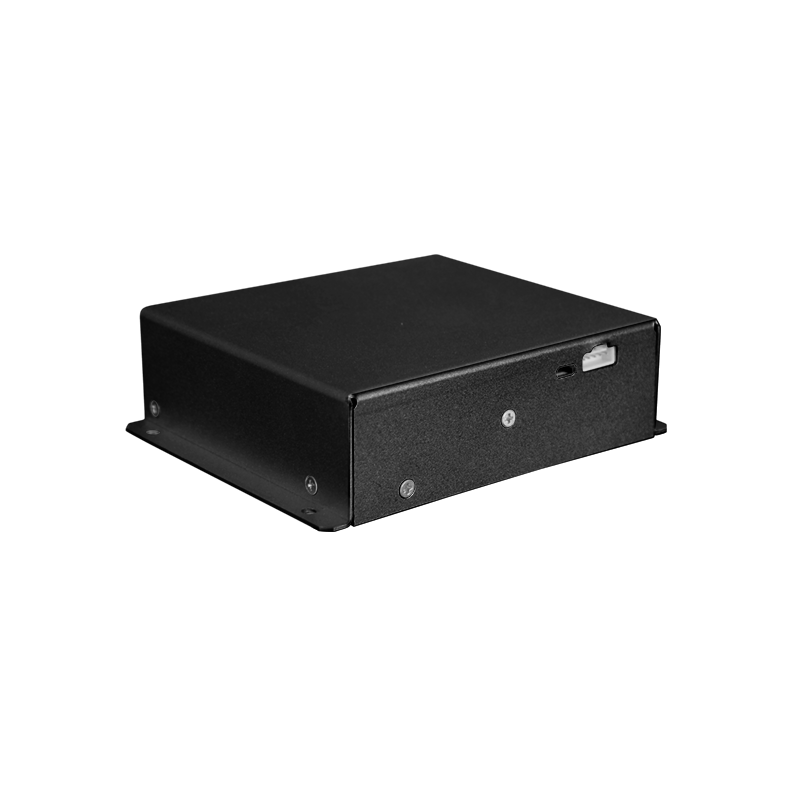
The compact size of the supply is achieved through the high-frequency switching topology and the integration of the control functions. The magnetic components are miniaturized, and the power semiconductors are selected for the low losses. The mechanical design packages the power stage, the control board, and the high-voltage section in a small enclosure that fits into the monitor housing. The thermal design ensures that the temperature of the components remains within the ratings at the maximum ambient temperature.
The field environment imposes the requirements on the ruggedness of the supply. The monitor is carried by the operator and used in the varying weather conditions, so the supply must withstand the vibration, the shock, and the temperature extremes. The mechanical construction is reinforced, and the electronic assemblies are protected against the moisture and the dust. The supply is tested over the operating temperature range of the monitor.
The measurement accuracy of the monitor depends on the stability of the multiplier gain, which depends on the stability of the supply voltage. The supply includes a temperature compensation that maintains the output voltage over the temperature range, and the residual drift is monitored. The calibration of the monitor is performed at defined intervals, and the supply voltage is verified during the calibration.
The supply communicates with the monitor controller through a low-power interface that carries the setpoints, the measured values, and the status. The controller manages the measurement sequence and the data logging, and the supply provides the multiplier voltage according to the measurement mode. The supply records the operating parameters, and the records are used for the diagnostics and the maintenance.
Safety is a consideration for the field equipment. The multiplier voltage is dangerous, and the supply is interlocked with the cover of the detector compartment. The high voltage is enabled only when the compartment is closed, and the stored energy is discharged when the monitor is switched off. The interlock is tested at defined intervals.
The rugged design of the supply is validated by the environmental tests that simulate the field conditions. The tests include the temperature cycling over the operating range, the humidity exposure, the vibration of the transport, and the shock of the accidental drop. The supply must pass the tests without a degradation of the performance, and the test results are documented for the qualification of the monitor. The field trials complement the laboratory tests, and the monitors are operated in the representative environments for a defined period. The feedback from the field trials is incorporated into the design improvements, and the second generation of the supply reflects the experience gained in the real-world operation.
In summary, the high-voltage supply for the electron multipliers in the portable environmental monitors integrates a high output voltage, compact construction, low power consumption, and rugged field design into a battery-powered module. The result is a supply that maintains the multiplier gain required for the sensitive measurements while supporting the portable and autonomous operation of the monitor. Every improvement in the efficiency, every refinement of the size reduction, and every enhancement of the stability contributes directly to the sensitivity and the usability of the environmental monitor. The engineering effort continues as the environmental monitoring extends to new pollutants and new measurement requirements.
The calibration of the portable monitor is performed with the reference sources in the field and in the laboratory. The supply provides the voltage reference for the calibration, and the gain of the multiplier is measured over the voltage range. The calibration data define the operating point of the supply for each measurement mode, and the settings are stored in the non-volatile memory of the monitor. The calibration interval is defined by the drift observed in the field use, and the interval is adjusted according to the accumulated data. The calibration records are retained for the quality management of the monitoring program, and the traceability of the measurements is documented for the regulatory reporting.
The data management of the monitor supports the collection and the analysis of the measurement data over long periods. The supply records the operating parameters together with the measurement data, and the combined records are transferred to the central database when the monitor is synchronized. The analysis of the records identifies the trends of the detector performance and the supply behavior, and the analysis is used to optimize the measurement schedule and the maintenance plan. The remote analysis reduces the number of the field visits and improves the availability of the monitoring network. The supply therefore functions not only as a power source but also as a source of the operational intelligence that supports the continuous improvement of the monitoring service.