Salt Resistance of Electrostatic Spraying High-Voltage Supply in Marine Engineering Coating
Salt resistance of an electrostatic spraying high-voltage supply determines the service reliability of coating lines that operate in marine engineering environments. Marine structures are exposed to high humidity, salt spray, temperature cycling and strong ultraviolet radiation, and the coating equipment located near the production line faces the same aggressive conditions. A supply designed for salt resistance maintains stable output and safe insulation over years of continuous operation, while a conventional design suffers corrosion of connectors, tracking on insulating surfaces and gradual degradation of control electronics. The requirement therefore starts with environmental endurance and extends to every subsystem of the power unit.
The first design focus is the sealing of the high-voltage section. The transformer, rectifier stack and multiplier capacitors are enclosed in housings with defined ingress protection ratings, and the cable entries use sealed glands that prevent salt-laden moisture from reaching live parts. Internal surfaces are protected by conformal coating, and desiccant arrangements control residual humidity during temperature cycling. The enclosure material itself is selected for corrosion resistance, and all external fasteners are stainless steel to avoid galvanic corrosion at the interface.
The second focus is the treatment of printed circuit boards and connectors. Electronic assemblies receive conformal coatings that withstand saline exposure, and connectors use gold-plated or sealed types that maintain contact resistance over time. Ventilation paths are designed so that air entering the enclosure is filtered and any condensate drains away from sensitive components. These measures keep the control and measurement functions accurate even when the ambient air carries high salt content.
The third focus is the insulation system of the output stage. Creepage distances are increased to compensate for the reduction of surface resistivity under humid and saline conditions, and the insulating materials are selected for low water absorption and high tracking resistance. Partial discharge tests are performed at elevated humidity to verify that the design margins remain adequate in the worst case. The output cable and the associated termination follow the same philosophy, with weatherproof joints and strain relief that preserve the insulation integrity.
Thermal management interacts with salt resistance in an important way. Heat sinks and cooling fans attract salt-laden air, so the cooling path is either filtered or designed with corrosion-resistant materials. Temperature monitoring prevents overheating while keeping the enclosure pressure stable, which reduces the ingress of humid air. The operating temperature range is documented so that the coating line can be scheduled within the capability of the power equipment. Cooling systems with corrosion-resistant coatings and protected bearings extend the service life of the fans, which are among the components most exposed to saline air.
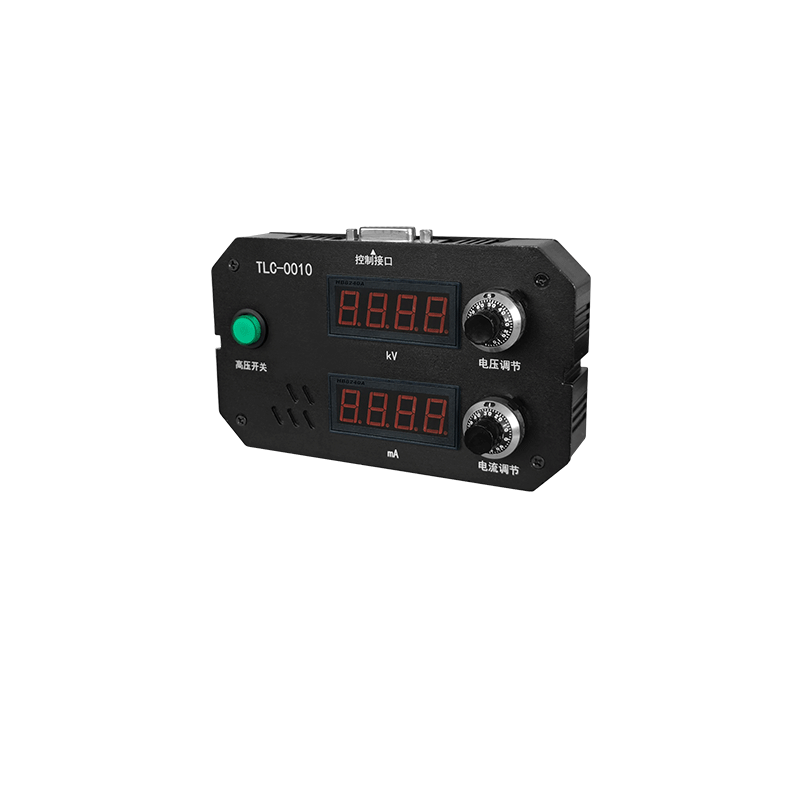
The control electronics are isolated from the harsh environment and placed in a protected compartment. Sealed membrane keypads, protected displays and robust connectors keep the human interface operational under field conditions. The communication ports use shielded and sealed connections, and the internal logic is protected against transients induced by lightning or switching surges common in coastal industrial areas. Protection functions respond before damage reaches the control stage.
Verification of salt resistance follows defined test procedures. Salt spray testing is carried out for the specified duration, followed by functional checks of output accuracy, insulation resistance and partial discharge level. Temperature and humidity cycling combined with voltage application accelerates the aging that would otherwise appear after months of service. Acceptance requires that all measured parameters remain within specification after the environmental exposure, and the test records become part of the equipment documentation.
Maintenance in the marine environment focuses on prevention. Periodic checks of seals, fasteners and cable entries detect early signs of corrosion, and the documented maintenance schedule specifies the inspection intervals and the replacement criteria. Spare parts for the environmental interfaces are kept available because these components age faster than the power electronics themselves. A clean and dry storage policy for spare units prevents degradation before installation. The maintenance records also feed the reliability analysis, so that recurring environmental issues are identified early and addressed in the design of subsequent units. This continuous improvement cycle is essential for equipment that must serve for decades in the same coastal location.
The application value of salt-resistant design appears in production continuity and coating quality. Downtime caused by power equipment failures interrupts the coating schedule and exposes partially coated components to corrosion, which is costly in marine projects. A supply that remains reliable under saline conditions keeps the electrostatic field stable, and the uniform field translates into consistent coating thickness and coverage on complex structures. Reduced maintenance frequency also lowers the total cost of ownership over the project lifetime.
Field data from coastal installations confirm that the dominant failures of conventional supplies are environmental rather than electrical. Tracking on insulating surfaces, corrosion of connectors and moisture ingress into control electronics account for most unplanned outages. The salt-resistant design addresses exactly these failure modes, and the observed mean time between failures increases substantially when the environmental measures are applied consistently. The improvement is most visible in locations where wind carries salt spray directly across the production area.
Documentation and training are organized around the environmental protection concept. Maintenance guides describe the inspection of seals, the cleaning of air filters and the verification of corrosion protection, and the fault tables list the symptoms that indicate environmental degradation. Operators learn to recognize early signs of salt-related wear, so that corrective action is taken before performance is affected. The knowledge accumulated from field service is fed back into the design, closing the loop between operational experience and product improvement. This feedback mechanism keeps the environmental protection measures aligned with the real conditions found in marine coating facilities.
Development continues toward deeper integration of environmental sensing and self-protection. Humidity sensors inside the enclosure can trigger preemptive drying cycles, and corrosion monitoring of critical interfaces provides early warning before resistance degrades. Improved materials and coating technologies extend the service life of the environmental protection measures. The salt-resistant electrostatic spraying supply will remain a dependable element of marine coating lines as these capabilities advance, supporting long-term corrosion protection of structures at sea.