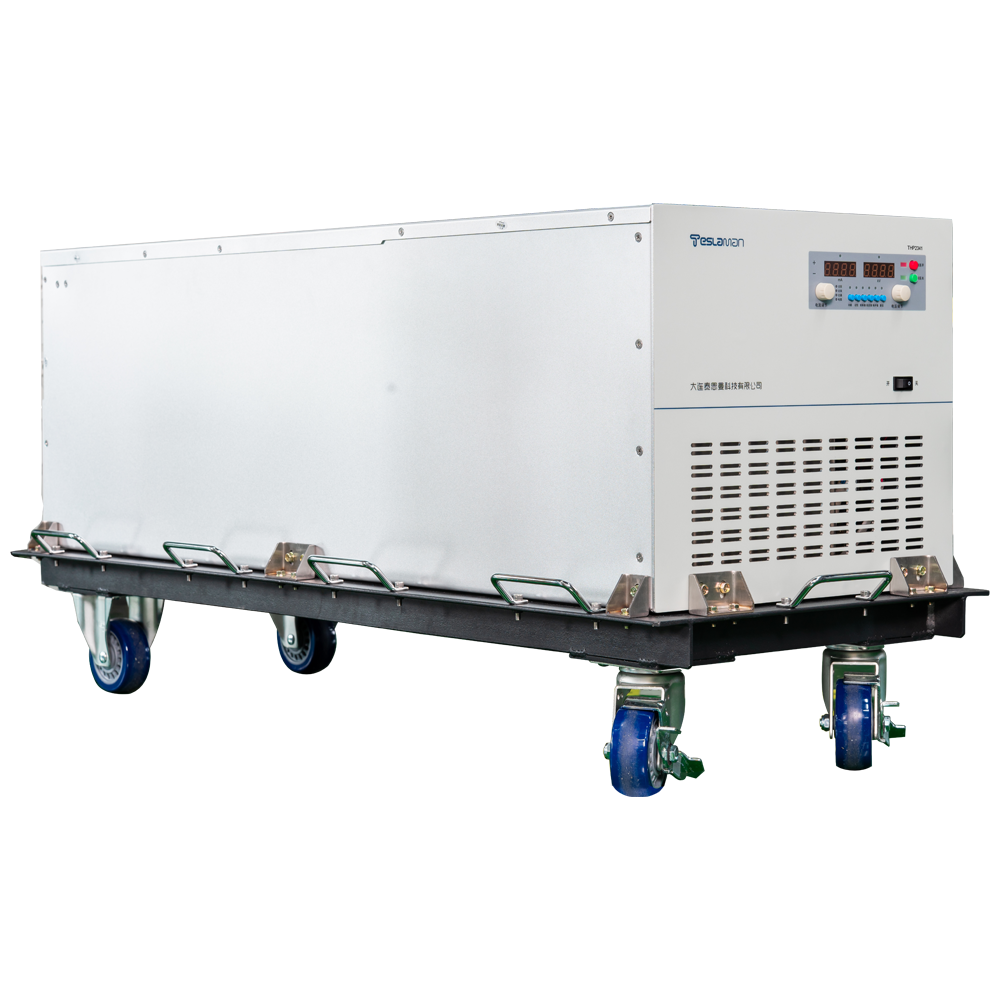
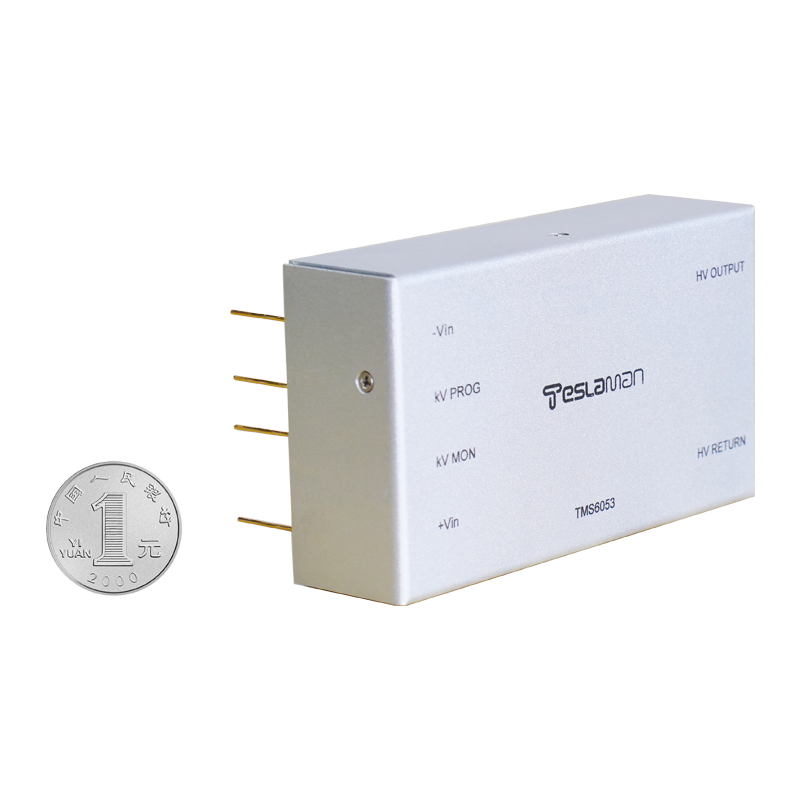
Consumable Processing of Irradiation Sterilization High-Voltage Supply in Bio-Laboratory Facilities
Consumable processing with an irradiation sterilization high-voltage supply serves the growing need of bio-laboratory facilities for sterile plasticware and single-use components. Pipette tips, culture vessels, filter units and packaging materials must be sterilized before use, and irradiation offers a treatment that is compatible with temperature-sensitive polymers. The high-voltage supply drives the radiation source, and the output stability determines the delivered dose and the resulting sterilization assurance. A supply that maintains consistent power during the treatment ensures that every batch receives the required dose without overexposure that degrades the material.
The first requirement is the dose consistency across the treatment volume. The supply determines the source output, and variations in the power level translate into dose differences across the conveyor or the batch container. The control loop holds the output at the set-point despite the thermal drift and the line variations, and the dose verification confirms that the treatment meets the specified assurance level. The uniformity of the dose is essential for the sterility guarantee that the laboratory relies on.
The second requirement is the reproducibility of the treatment parameters. The same product type should receive the same dose in every batch, and the supply supports this by maintaining defined output conditions for each treatment recipe. The temperature behavior of the supply is monitored, because the drift of the output with temperature would shift the delivered dose during a long operating day. The recipe management and the calibration program ensure that the starting conditions are the same for every run.
The third requirement concerns the handling of the variable load. The radiation source presents a load that changes with the operating state, the source temperature and the product loading, and the supply must maintain the output through these variations. The response to the load transients is controlled so that the dose rate remains within the specified range. The monitoring of the delivered energy provides the basis for the dose calculation and the quality records.
The control architecture combines power regulation with process sequencing. The supply manages the start-up, the stable operation and the shutdown of the radiation source, and the interlocks coordinate the supply with the conveyor, the shielding and the access control. Fault protection covers overvoltage, overcurrent and abnormal operating conditions, and the response protects the source and the product. The treatment records include the power profile and the calculated dose for every batch, supporting traceability and audits.
Safety design is central to irradiation equipment. The supply is integrated with the shielding interlocks, so that the source cannot be operated when the enclosure is open. The radiation monitoring system is connected to the supply control, and the start command requires that all safety conditions are satisfied. The discharge path removes the stored energy safely during shutdown, and the access control prevents unauthorized operation. The safety functions are verified at defined intervals.
Verification covers the electrical performance and the treatment result. The output power, the stability and the repeatability are measured with calibrated instruments, and the dose is verified with dosimeters placed in the treatment volume. The correlation between the supply parameters and the measured dose is documented, so that the treatment can be controlled through the electrical settings. Acceptance testing includes a complete treatment cycle under production conditions.
Integration with the bio-laboratory facility follows defined interfaces. The supply communicates with the batch management system, the conveyor control and the dose verification instruments, and the treatment data are transferred to the quality management database. The facility documentation records the sterilization parameters for each product type, and the audits confirm that the treatments meet the required standards. Commissioning verifies the complete system with the actual product loading.
The application value appears in the reliability and efficiency of the laboratory supply chain. Irradiation sterilization provides a fast and reliable method for single-use consumables, reducing the dependence on autoclaving that is unsuitable for many polymers. The consistency of the delivered dose supports the sterility assurance that the laboratory procedures require, and the throughput of the treatment system keeps the consumable stock at the needed level. The equipment reliability contributes to the uninterrupted operation of the laboratory.
Maintenance focuses on the source-related components, the power stage and the safety circuits. The cooling system, the cabling and the radiation-related interfaces are inspected at defined intervals, and the output calibration is verified against a reference. The recorded treatment data support condition-based maintenance, because changes in the power behavior indicate developing problems. Spare modules and the documented procedures minimize the downtime during a failure.
The verification of the sterilization result is an essential part of the process. Dosimeters placed in representative positions of the load confirm that the delivered dose meets the specification, and the records are linked to the supply parameters for each batch. The audit trail covers the calibration of the dosimetry, the verification of the supply output and the treatment records, so that the sterilization assurance can be demonstrated to the quality authorities. This documented evidence is a requirement in regulated environments, and the supply supports the audit trail through the automatic logging of the operating conditions.
The operation of the irradiation system requires trained personnel who understand both the radiation technology and the power equipment. The training program covers the operating procedures, the safety interlocks and the response to abnormal conditions, and the refresher courses keep the skills current. The documentation of the supply, including the fault tables and the maintenance guides, supports the daily operation and the problem resolution. This combination of trained staff and documented procedures ensures that the treatment quality remains consistent even when the personnel change over time.
Development continues toward more efficient treatment and tighter dose control. Improved power stages reduce the energy consumption of the irradiation process, and digital control enables adaptive adjustment of the treatment parameters based on the measured conditions. The integration with the laboratory information system will make the quality records fully automatic, supporting the increasing regulatory demands of the bio-laboratory environment. The irradiation sterilization high-voltage supply will continue to evolve with these capabilities, serving the safe and efficient processing of laboratory consumables.