Polarity-Switchable High-Voltage Supply for Flexible Electrostatic Process Lines
Polarity-switchable high-voltage supply for flexible electrostatic process lines delivers both positive and negative output potentials from a single unit, enabling process lines to switch between operations that require opposite polarities without separate equipment. Electrostatic processes such as powder coating, corona treatment, electrospinning, and electrostatic separation each have defined polarity requirements, and a flexible line accommodates several of these processes in sequence. The supply must switch the polarity reliably, quickly, and without damage to the process or the load.
The polarity of the output determines the direction of the electrostatic force and the charge sign delivered to the material. Powder coating often uses a negative corona to charge the powder particles, while some polymer treatments require a positive potential. The supply provides both options from the same output terminal, and the switching mechanism changes the polarity of the regulated stage.
The switching operation must be controlled to avoid transient overvoltage. When the polarity is reversed, the stored energy in the output capacitance and the load must be managed so that the transition does not create a voltage spike that damages the electrodes or the processed material. The supply includes a discharge path that safely removes the residual charge before the polarity change.
The switching time defines the flexibility of the process line. A fast switch enables the line to alternate between positive and negative processes with minimal interruption, increasing the utilization of the equipment. The supply design balances the switching speed against the safety of the transition.
Electrostatic separation lines use alternating polarity zones to separate materials according to the charge behavior of each fraction. The supply provides the opposite potentials to the successive electrodes, and the timing of the switch synchronizes with the material flow. The stability of each polarity state determines the separation efficiency.
The load impedance differs between the polarity states, and the supply must regulate the output in both configurations. The control loop is compensated for the load characteristics of each polarity, and the transition between the states is executed without oscillation or overshoot.
The insulation system of the supply must withstand the repeated polarity changes. The stress on the insulating materials differs between the polarity states, and the design accounts for the accumulated stress over the life of the equipment. The partial discharge behavior is verified for both polarities.
The output voltage range of the supply covers the requirements of the different electrostatic processes. The control interface sets the voltage and the polarity for each process step, and the recipe management stores the settings for the repeatable operation of the line.
The current limit of the supply protects the process equipment during the transient events. When the electrode contacts the material or a discharge occurs, the supply limits the current and recovers the output after the event. The recovery behavior is consistent for both polarities.
The safety interlocks of the supply prevent the polarity switching while the output is loaded. The operator confirms the completion of the discharge sequence before the polarity change is executed, and the interlock system is integrated with the line control.
The monitoring of the supply records the polarity state, the voltage, and the current for each process step. The records support the process documentation and the troubleshooting of the line. The traceability of the operating conditions strengthens the quality control of the treated material.
The compact design of the polarity-switchable supply reduces the footprint of the process line. A single unit replaces two dedicated supplies, and the reduced hardware simplifies the installation and the maintenance of the line.
The reliability of the switching mechanism determines the availability of the flexible line. The switching components are rated for the cycle count of the process, and the diagnostics detect the developing faults before the line is interrupted.
The thermal management of the supply accounts for the varying load between the polarity states. The cooling is designed for the worst-case duty cycle, and the temperature of the critical components is monitored to protect the equipment.
The control interface of the supply supports the integration with the programmable logic controller of the line. The communication protocol provides the status and the command channels for the polarity switching, and the response time of the interface matches the process timing.
The electromagnetic compatibility of the supply is verified for the switching operation. The transient generated by the polarity change is suppressed to protect the other equipment of the line, and the radiated and conducted emissions are within the applicable limits.
The service of the polarity-switchable supply includes the periodic verification of the switching parameters. The maintenance procedure checks the switching time, the transient behavior, and the insulation condition, and the results are documented for the equipment file.
The expansion of the process line adds new electrostatic steps, and the supply accommodates the additional requirements through the programmable output range. The flexibility of the supply supports the evolution of the line without the replacement of the power equipment.
The calibration of the supply verifies the accuracy of the output in both polarity states. A reference divider and a precision meter measure the output voltage, and the calibration offset is stored for the correction of the displayed value. The calibration interval is defined by the accuracy requirement of the process line, and the records support the metrological traceability of the treated product.
The voltage stability of the supply in the positive state and the negative state is specified separately, as the regulation performance may differ between the configurations. The specification guides the process engineer in the selection of the operating points, and the verification of the stability is included in the acceptance test of the supply.
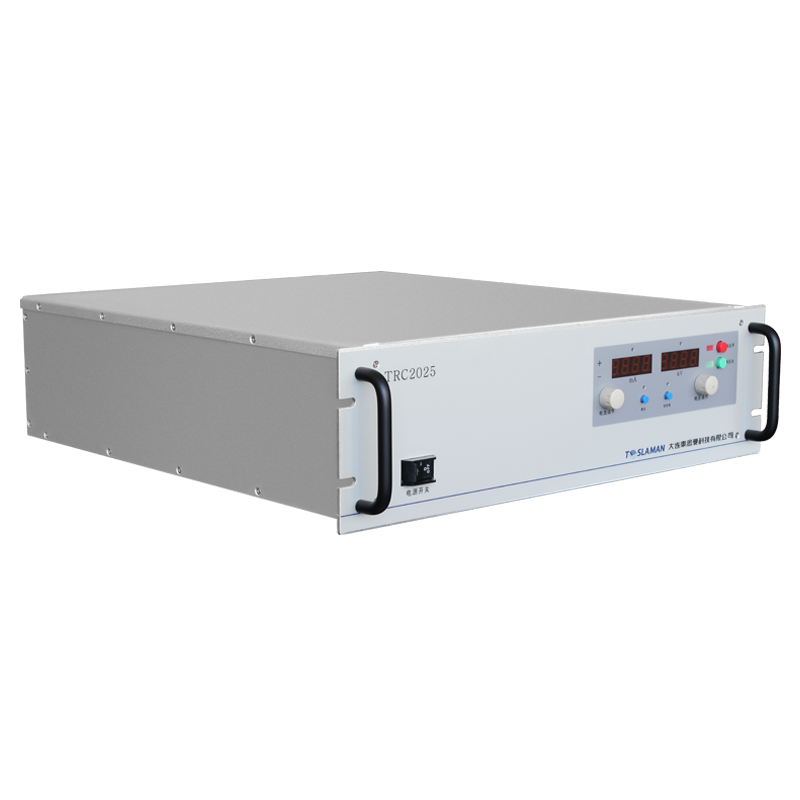
The user interface of the supply displays the polarity, the set point, and the measured output for the current process step. The clear presentation of the state reduces the risk of operator error during the changeover between the processes. The interface also supports the remote monitoring of the line status from the control room.
In summary, the polarity-switchable high-voltage supply for flexible electrostatic process lines provides both output polarities with reliable, controlled switching. The supply enables a single line to run multiple electrostatic processes, increasing the utilization and the flexibility of the equipment. A supply engineered for safe and repeatable polarity switching supports the efficient operation of flexible electrostatic production lines.