Rack-Mounted High-Voltage Supply in Smart Grid High-Voltage Testing
Rack-mounted high-voltage supply in smart grid high-voltage testing provides the controlled test potentials used to verify the insulation, the accuracy, and the performance of grid equipment. Smart grid components, including sensors, meters, protection relays, and communication interfaces, must withstand defined voltage levels and deliver accurate measurements under field conditions. The rack-mounted supply generates the test voltages in the laboratory, and the stability and the programmability of the output define the quality of the test.
The insulation testing of grid equipment applies a defined voltage between the live parts and the ground, and the leakage current indicates the condition of the insulation. The supply provides the test voltage with a controlled ramp and a defined duration, and the measurement of the leakage current is synchronized with the voltage application. The accuracy of the voltage determines the validity of the insulation assessment.
The accuracy testing of voltage sensors and meters compares the device under test with a reference standard. The supply provides the reference voltage for the comparison, and the stability of the output during the measurement supports the uncertainty budget of the calibration. The programmable output enables the automatic testing of the device over the full range.
Smart grid equipment operates with power electronics and communication circuits that generate electromagnetic interference. The testing of the immunity and the emissions requires defined test conditions, and the supply for the test setup must operate without disturbing the measurement. The electromagnetic compatibility of the supply is part of the test infrastructure.
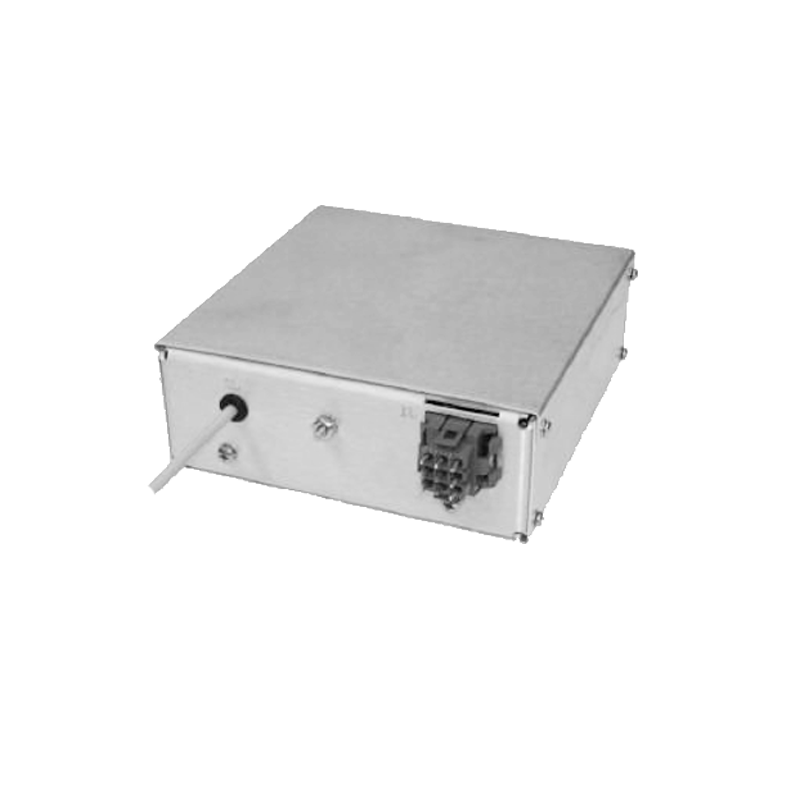
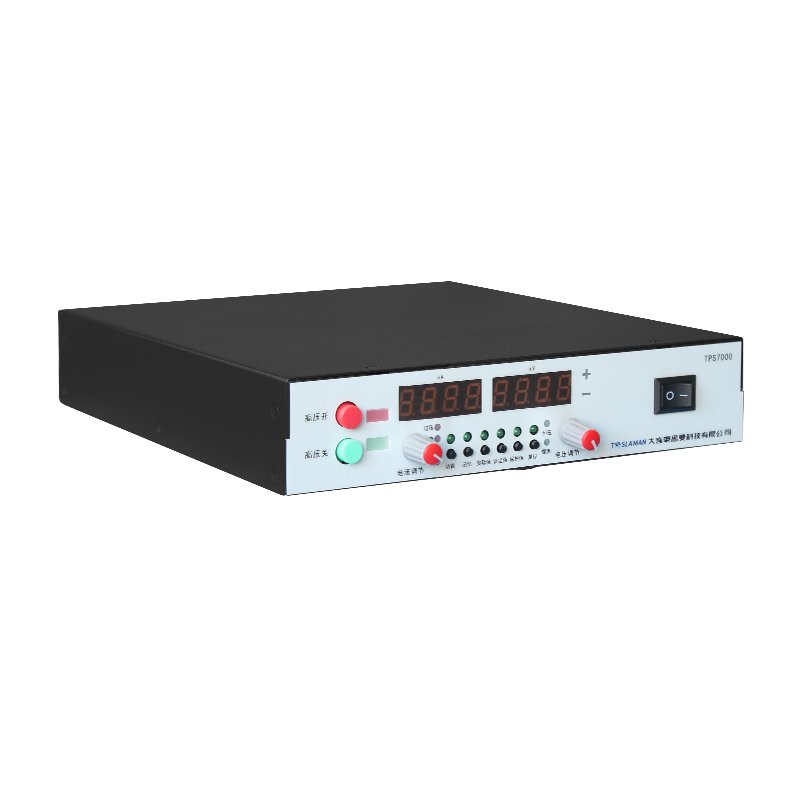
The rack-mounted format integrates the supply into the standard test equipment of the laboratory. The dimensions and the interfaces follow the equipment standard, and the supply is installed together with the other test instruments in a common rack. The integration simplifies the wiring and the operation of the test setup.
The remote control of the supply supports the automated test sequences. The test software commands the voltage set points and reads the measured values through the communication interface, and the sequence runs without operator intervention. The reproducibility of the automated test depends on the repeatability of the supply output.
The transient testing of grid equipment applies impulse voltages that simulate the switching and lightning surges. The impulse generator is charged by a high-voltage supply, and the charging voltage sets the amplitude of the impulse. The supply for the impulse generator must charge the capacitors to the defined voltage with the accuracy that determines the impulse amplitude.
The continuous operation of the supply during the long test sequences requires the thermal stability of the output. The temperature rise of the supply during the extended testing is managed by the cooling system, and the output drift is compensated by the regulation loop.
The safety of the high-voltage test laboratory depends on the interlocks and the discharge paths. The supply includes the discharge circuit that removes the residual charge from the test object after the test, and the interlock system prevents the access to the test area while the voltage is applied.
The documentation of the test results includes the voltage profile applied to the device. The supply records the set points and the measured values during the test, and the records support the test report and the traceability of the result.
The flexibility of the supply supports the testing of different device types with different voltage requirements. The programmable range and the adjustable ramp rates accommodate the test specifications, and the recipe management stores the test parameters for the repeatable execution.
The measurement of the partial discharge during the insulation test detects the incipient defects in the equipment. The supply for the partial discharge test must provide a clean voltage without the background noise that would mask the discharge signal. The low-noise output of the supply is a key requirement for the sensitive measurement.
The aging test of grid equipment applies the voltage for extended periods to accelerate the degradation. The supply operates continuously for the duration of the test, and the stability of the output over the weeks or months defines the validity of the aging study.
The temperature coefficient of the supply output affects the accuracy of the test at different laboratory temperatures. The temperature compensation of the reference maintains the output within the specification over the operating range, and the verification of the temperature behavior is included in the acceptance test.
The maintenance of the supply includes the periodic verification of the voltage accuracy against a reference standard. The calibration records are kept for the quality management of the laboratory, and the adjustment of the supply is performed with the calibrated reference.
The evolution of the smart grid adds new equipment types and new test requirements. The supply must accommodate the additional voltage levels and the measurement modes, and the modular design supports the extension of the test capability without the replacement of the complete system.
The training of the test personnel covers the operation of the supply and the safety procedures of the laboratory. The user interface of the supply is designed for the clear presentation of the state and the parameters, reducing the risk of operator error during the test.
The load characteristics of the test object vary with the equipment type. Capacitive loads dominate in cable and bushing testing, while resistive loads appear in heater and insulator tests. The supply regulates the output for both load classes, and the response of the control loop is verified for the expected range of the test objects. The stable regulation under the varying load supports the accuracy of the measurements taken during the test.
The parallel operation of multiple supplies extends the voltage or current range for special test configurations. The master-slave mode synchronizes the outputs, and the sharing of the load is verified during the commissioning of the test setup. The flexibility of the parallel operation supports the testing of equipment beyond the range of a single unit.
The documentation of the supply includes the operating manual, the specification, and the test certificate. The documentation supports the operation and the maintenance of the equipment, and the certificate confirms the compliance with the applicable standards of the laboratory.
In summary, the rack-mounted high-voltage supply in smart grid high-voltage testing provides the stable, programmable test potentials that verify the insulation, accuracy, and performance of grid equipment. The integration into the laboratory infrastructure, the remote control, and the low-noise output support the automated and traceable testing. A supply engineered for the laboratory environment enables the reliable qualification of smart grid components.