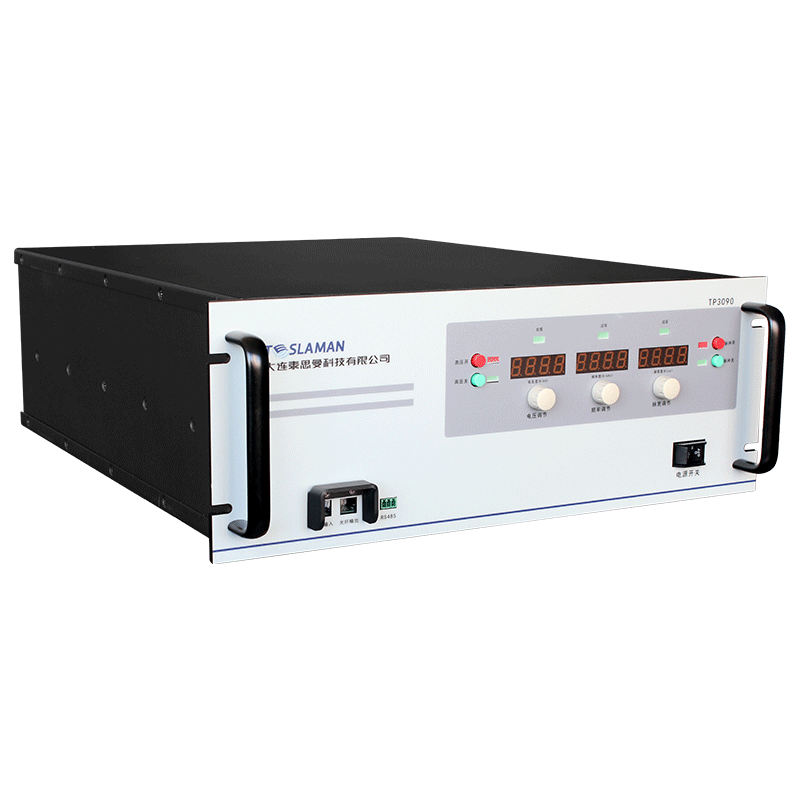
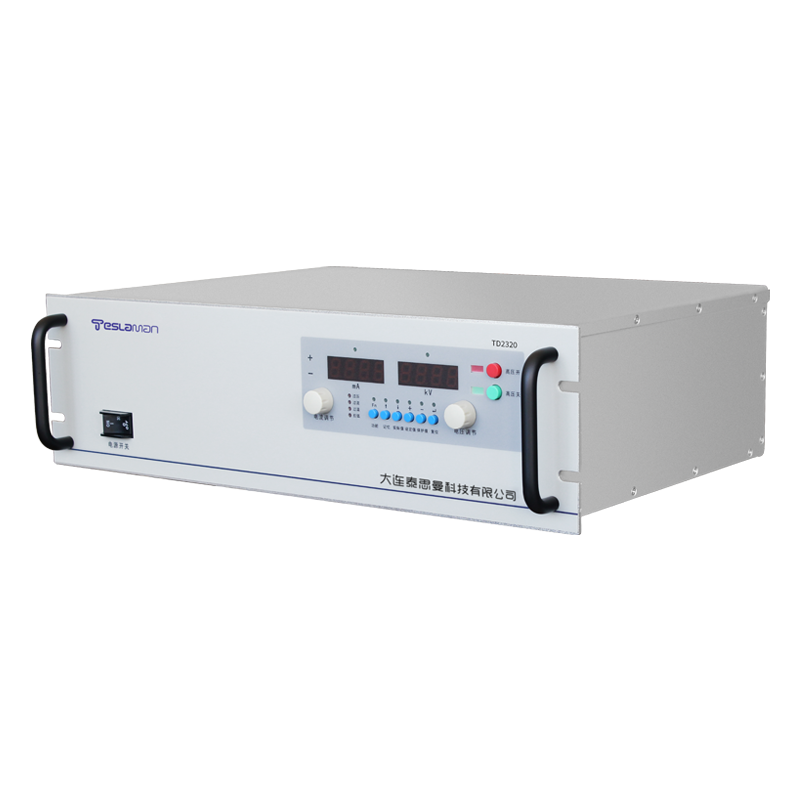
Influence of Atomization Voltage in Electrostatic Spraying High-Voltage Supplies on Thickness Uniformity of Eco-Friendly Water-Based Coatings
Electrostatic spraying applies the coatings to the product surfaces with the high transfer efficiency, and the atomization voltage of the spraying supply influences the droplet size and the coating distribution. The growing use of the eco-friendly water-based coatings places the new demands on the spraying process, and the control of the atomization voltage is essential for the uniform coating thickness. The engineering work covers the voltage control, the process optimization, and the verification, and the requirements are defined by the coating quality.
The electrostatic spraying process charges the paint droplets and drives the droplets toward the grounded workpiece, and the atomization quality depends on the voltage and the flow rate. The water-based coatings have the different electrical properties compared with the solvent-based coatings, and the charging behavior affects the droplet formation and the deposition. The atomization voltage must be matched to the coating properties for the optimal result.
The voltage applied at the spray gun determines the electric field strength and the charging of the droplets, and the droplet size decreases with the increasing voltage up to the limit of the stable atomization. The thickness uniformity depends on the droplet size distribution and the deposition pattern, and the voltage is optimized to achieve the uniform coating. The relationship between the voltage and the coating quality is established through the spraying tests.
The water-based coatings have the higher surface tension and the different conductivity, and the atomization requires the higher energy compared with the solvent-based coatings. The voltage range of the supply is matched to the requirements of the water-based formulations, and the charging efficiency is optimized for the aqueous droplets. The drying behavior of the water-based coating also affects the final film quality.
The thickness uniformity across the workpiece is influenced by the voltage distribution and the spray pattern, and the electrostatic field concentrates the deposition on the edges and the corners. The voltage adjustment and the gun settings are optimized to reduce the edge effects, and the uniformity is measured across the coated surface. The process control maintains the uniform coating for the production parts.
The transfer efficiency of the electrostatic spraying reduces the paint waste and the environmental impact, and the eco-friendly coating process combines the high efficiency with the low emissions. The optimization of the atomization voltage improves the transfer efficiency while maintaining the film quality, and the economic and the environmental benefits are realized together. The process is verified for the production use.
The spray booth conditions affect the electrostatic process, and the humidity and the airflow change the charging and the deposition behavior. The voltage is adjusted for the ambient conditions, and the process control maintains the consistency across the production shifts. The monitoring of the booth conditions supports the process adjustment, and the coating quality is verified through the regular testing.
The safety of the electrostatic spraying requires the control of the ignition risk and the electrical hazards, and the supply is designed with the current limiting and the spark protection. The grounding of the equipment and the workpiece is verified, and the safety interlocks interrupt the voltage when the unsafe conditions are detected. The safety design follows the standards for the spraying equipment.
The verification of the coating quality includes the measurement of the film thickness and the visual inspection, and the results are compared with the specification. The uniformity is quantified through the thickness mapping, and the process capability is assessed from the measurement data. The verification supports the qualification of the process for the production.
The maintenance of the spraying equipment includes the cleaning of the gun and the verification of the supply, and the insulation and the connections are inspected at the defined intervals. The wear of the components is monitored, and the replacement is performed before the degradation affects the coating quality. The maintenance records support the reliability analysis.
New coating materials and the stricter environmental regulations drive the development of the electrostatic spraying technology, and the supplies are adapted to the new requirements. The digital control provides the precise voltage setting and the process data, and the integration with the coating line improves the automation. The cooperation with the coating formulators accelerates the process development.
Influence of the atomization voltage in the electrostatic spraying high-voltage supplies on the thickness uniformity of the water-based coatings is a key factor for the coating quality, and the voltage optimization, the process control, and the safety design deliver the uniform and the efficient coating. The continued development will support the wider application of the eco-friendly coatings.
The control of the spraying process includes the management of the paint flow and the atomizing air, and the coordination of the voltage with the other parameters affects the coating result. The process recipe specifies the values for each parameter, and the control system executes the recipe with the defined sequence. The monitoring of the process conditions supports the adjustment of the parameters during the production.
The quality of the coating is also influenced by the surface preparation and the application environment, and the process control covers the complete coating line. The pretreatment of the workpiece improves the adhesion of the coating, and the curing conditions determine the final film properties. The integration of the supply with the line control ensures the consistent process conditions.
The documentation of the spraying process includes the operating parameters and the quality records for each batch, and the documentation supports the traceability of the coated products. The analysis of the records identifies the improvement opportunities, and the process is continuously optimized. The cooperation with the coating material suppliers supports the process development.
The environmental benefit of the electrostatic spraying with the water-based coatings includes the reduction of the solvent emissions and the paint waste, and the high transfer efficiency contributes to the cleaner production. The process is aligned with the sustainability goals of the manufacturing industry, and the optimization of the supply supports the energy-efficient operation. The combined environmental and economic advantages promote the adoption of the technology.
The data collected from the spraying line supports the continuous improvement of the process, and the coating quality and the operating parameters are recorded for each batch. The trend analysis identifies the factors that affect the uniformity, and the process adjustments are implemented accordingly. The improvement cycle enhances the coating performance over time.