Integration of Ampoule Inspection High-Voltage Supplies in High-Voltage Pulse Scanning of Automated Pharmaceutical Quality Control Lines
Ampoule inspection verifies the integrity and the quality of the pharmaceutical containers, and the automated quality control lines test the ampoules at the high speed. The high-voltage pulse method detects the defects through the electrical discharge characteristics, and the high-voltage supply provides the pulses for the inspection. The integration of the supply into the automated line requires the coordination of the scanning, the detection, and the handling functions, and the engineering work covers the pulse generation, the synchronization, and the reliability.
The ampoules are tested for the leaks and the microcracks, and the high-voltage discharge between the electrodes detects the weak points of the glass. The discharge current and the voltage waveform indicate the presence of the defects, and the detection algorithm classifies the ampoules according to the discharge characteristics. The sensitivity of the detection depends on the pulse parameters and the electrode configuration.
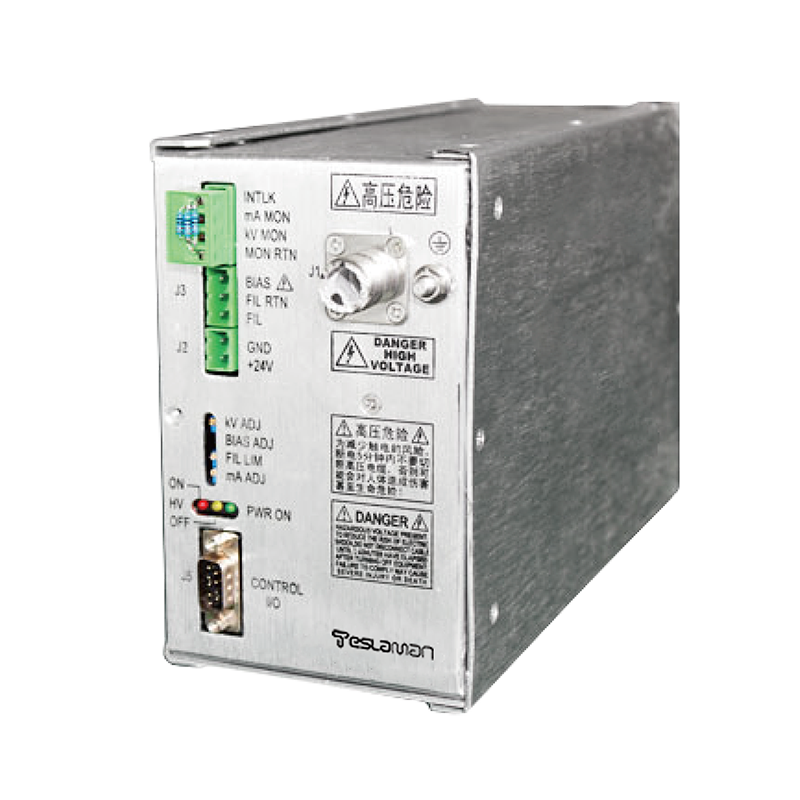
The high-voltage supply generates the test pulses with the defined amplitude and duration, and the pulse repetition rate is matched to the line speed of the inspection. The ampoules pass through the inspection station at the high rate, and the pulse must be applied at the correct position of each ampoule. The synchronization of the pulse with the ampoule position is implemented through the position sensors and the timing control.
The inspection process includes the handling of the ampoules through the feed and the discharge mechanisms, and the integration of the supply with the line control coordinates the process steps. The detection results are transmitted to the sorting system, and the defective ampoules are removed from the line. The integration is verified through the joint testing of the complete inspection system.
The detection sensitivity depends on the amplitude of the test voltage, and the voltage is set according to the ampoule size and the glass thickness. The voltage must be sufficient to detect the defects without damaging the good ampoules, and the parameter setting is optimized for the product specification. The energy of the pulse is controlled to limit the stress on the glass.
The environmental conditions affect the discharge behavior, and the humidity and the temperature change the surface conductivity of the glass. The inspection parameters are adjusted for the ambient conditions, and the process control maintains the detection consistency. The calibration of the inspection system is performed at the defined intervals.
The high-voltage section of the inspection system requires the safety measures, and the enclosure and the interlocks prevent the access to the energized parts. The discharge circuits remove the stored energy after the inspection, and the safety design follows the equipment standards. The operator training covers the safe handling of the high-voltage equipment.
The reliability of the supply is essential for the continuous operation of the quality control line, and the components are selected for the high duty cycle. The protection circuits respond to the abnormal conditions, and the diagnostics support the troubleshooting. The maintenance schedule is defined from the operating data, and the downtime is minimized.
The verification of the inspection system includes the testing with the reference samples, and the detection rate and the false rejection rate are measured. The results are compared with the specification, and the system is qualified for the production use. The periodic verification confirms that the inspection performance is maintained.
The pharmaceutical quality control requires the documented process and the traceability of the results, and the inspection data is recorded for each batch. The data supports the release of the products and the analysis of the quality trends, and the reporting functions are integrated into the quality system. The documentation supports the regulatory compliance.
The advancement of the automated inspection technology demands the higher speed and the better sensitivity, and the development of the supplies follows the requirements of the new lines. The digital control provides the flexible pulse generation and the precise timing, and the integration with the line software improves the operation. The cooperation with the pharmaceutical manufacturers drives the innovation.
Integration of the ampoule inspection high-voltage supplies in the high-voltage pulse scanning enables the reliable quality control in the automated pharmaceutical lines, and the precise pulse generation, the careful synchronization, and the robust design deliver the consistent inspection performance. The continued development will support the advancement of the pharmaceutical quality assurance.
The handling system of the inspection line feeds the ampoules to the test station and removes the tested units, and the speed of the handling is matched to the inspection rate. The synchronization of the mechanical handling with the electrical test is implemented through the control system, and the timing is verified through the high-speed testing. The complete line is optimized for the throughput and the detection performance.
The calibration of the inspection system uses the reference ampoules with the known defects, and the calibration establishes the detection threshold and the sensitivity setting. The calibration is repeated at the defined intervals and after the maintenance, and the calibration records support the traceability of the inspection results. The quality of the calibration determines the reliability of the detection.
The documentation of the inspection process includes the operating parameters, the calibration records, and the inspection results for each batch, and the documentation supports the quality assurance and the regulatory compliance. The analysis of the inspection data identifies the trends in the product quality, and the feedback to the production improves the manufacturing process.
The verification of the inspection system at the production speed includes the measurement of the throughput and the detection performance, and the results are compared with the design targets. The long-duration operation test confirms the reliability, and the maintenance requirements are assessed. The verification supports the acceptance of the line for the production use.
The improvement of the inspection technology is driven by the regulatory requirements and the quality expectations of the pharmaceutical industry, and the detection capability is continuously enhanced. The new inspection methods and the advanced signal processing are evaluated for the integration, and the cooperation with the industry partners accelerates the development. The progress supports the safer pharmaceutical products.