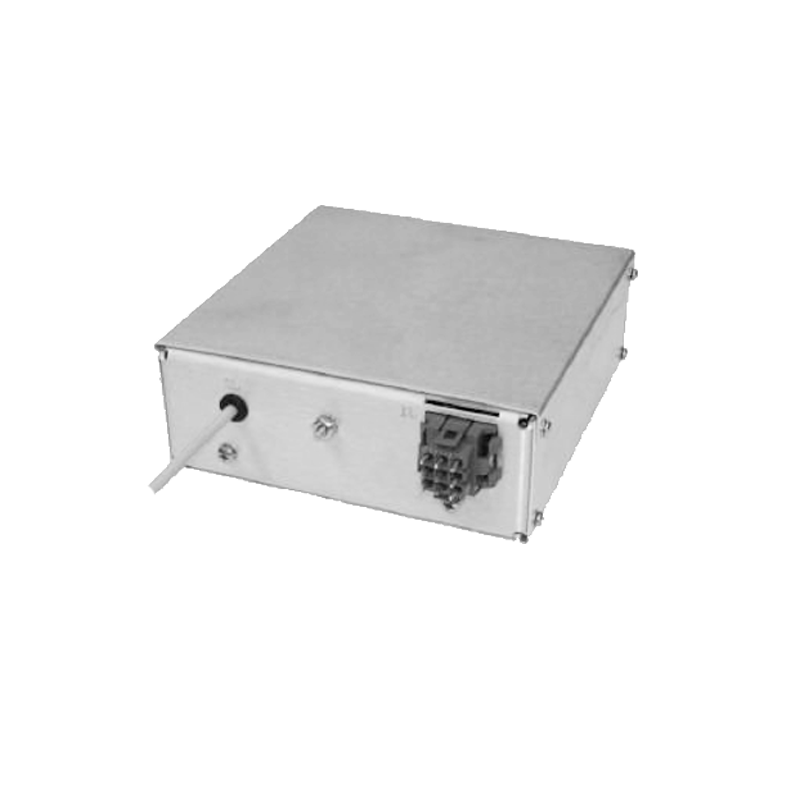
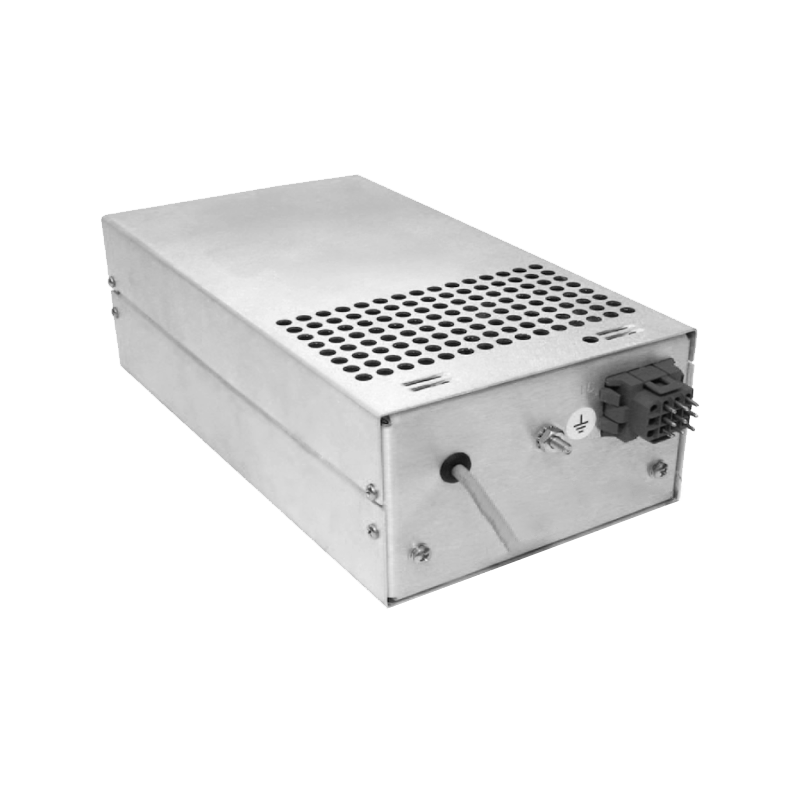
Cooling System Integration of Excimer Laser High-Voltage Supplies in High-Repetition-Rate Laser Etching
Excimer lasers generate the ultraviolet pulses for the material processing, and the high-repetition-rate operation enables the high-throughput laser etching. The high-voltage supply of the excimer laser charges the discharge circuit for each pulse, and the thermal load of the supply increases with the repetition rate. The cooling system integration of the supply maintains the operating temperature for the reliable operation, and the engineering work covers the thermal design, the cooling integration, and the verification.
The excimer laser produces the pulses through the discharge in the gas mixture, and the energy of each pulse is stored in the capacitor bank and discharged through the laser chamber. The high repetition rate increases the average power and the heat generation in the supply. The temperature of the components affects the performance and the lifetime of the supply.
The high-voltage supply charges the storage capacitors between the pulses, and the charging losses and the switching losses generate the heat. The temperature rise of the capacitors and the switching devices must be limited, and the cooling system removes the heat from the critical components. The thermal management is essential for the high-repetition-rate operation.
The cooling system of the supply uses the liquid or the forced-air cooling, and the cooling capacity is matched to the thermal load. The liquid cooling provides the higher heat removal for the high-power operation, and the cooling circuit is integrated with the laser system cooling. The flow and the temperature of the coolant are controlled for the stable operation.
The thermal design of the supply considers the heat sources and the thermal paths, and the layout of the components is optimized for the heat removal. The thermal interface materials improve the heat transfer between the components and the cooling surfaces, and the thermal modeling supports the design. The temperature distribution is verified through the measurement.
The integration of the cooling system with the laser system includes the coordination of the cooling circuits and the control functions, and the cooling status is monitored by the laser control. The interlocks respond to the cooling failures, and the operation is interrupted when the temperature exceeds the limits. The integrated control ensures the safe operation.
The temperature stability of the supply affects the pulse energy stability, and the cooling maintains the components at the constant temperature. The energy of the pulses is regulated to compensate for the temperature effects, and the pulse-to-pulse stability is maintained. The cooling contributes to the process quality of the laser etching.
The maintenance of the cooling system includes the inspection of the pumps, the filters, and the seals, and the coolant quality is monitored for the contamination. The replacement of the consumables is scheduled according to the operating hours, and the cooling performance is verified after the maintenance. The maintenance program supports the reliable operation.
The verification of the cooling system includes the measurement of the temperatures and the cooling capacity under the operating conditions, and the results are compared with the specification. The thermal cycling and the endurance tests confirm the reliability, and the performance is documented for the qualification. The verification supports the release for the high-repetition-rate use.
The laser etching applications include the micro-structuring, the surface treatment, and the thin film removal, and the high repetition rate improves the throughput of the processing. The reliable supply with the integrated cooling supports the continuous operation, and the technology contributes to the productivity of the laser processing.
The advancement of the laser technology demands the higher repetition rates and the higher pulse energies, and the supply and the cooling system follow the requirements of the new lasers. The improved thermal management and the efficient power conversion support the increased power, and the cooperation with the laser manufacturers drives the innovation.
Cooling system integration of the excimer laser high-voltage supplies enables the reliable high-repetition-rate laser etching, and the careful thermal design, the cooling integration, and the verification deliver the required performance and the stability. The continued development will support the advancement of the laser material processing technology.
The laser chamber and the gas system are also cooled for the stable pulse generation, and the cooling of the supply is coordinated with the laser cooling. The integrated thermal management maintains the complete system at the operating temperatures, and the performance of the laser and the supply is stabilized. The system-level cooling is verified through the long-duration operation tests.
The energy monitoring of the laser provides the data for the pulse energy control, and the supply output is adjusted to maintain the target energy. The calibration of the energy measurement is maintained for the accuracy, and the recorded data supports the process analysis. The monitoring contributes to the process quality of the laser etching.
The maintenance of the laser system includes the service of the gas system and the optical components, and the condition of the components affects the laser performance. The replacement of the consumables is scheduled, and the laser is requalified after the maintenance. The maintenance program supports the reliable operation of the etching system.
The economic assessment of the laser etching considers the throughput and the operating cost, and the reliable high-repetition-rate operation reduces the cost per processed part. The energy efficiency of the supply and the cooling reduces the consumption, and the maintenance cost is minimized through the reliability. The assessment supports the investment decisions.
The process development for the laser etching includes the characterization of the etch rate and the quality for the different materials, and the process parameters are optimized for the applications. The developed processes are documented for the production use, and the process data supports the continuous improvement. The development effort expands the applications of the laser etching.
The verification of the complete laser system includes the measurement of the output power and the beam quality over the operating range, and the results are compared with the specification. The long-term stability of the pulse energy is verified through the endurance tests, and the thermal performance is confirmed. The system verification supports the release of the laser for the production use.