Bias Control of Electron Beam System High-Voltage Supplies in Vacuum Tube Aging Test Platforms
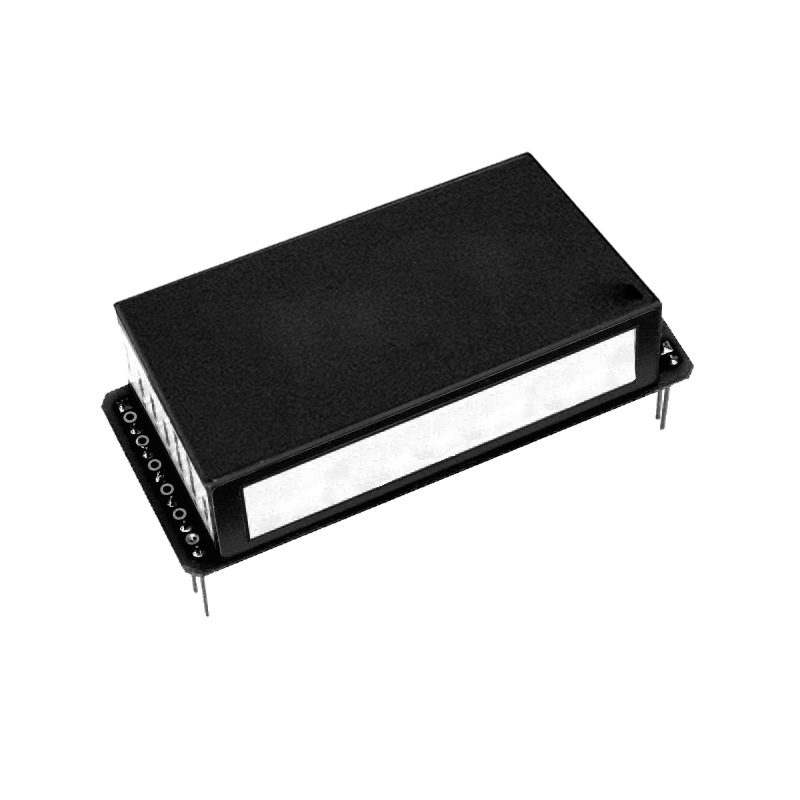
Vacuum tubes are tested for the aging behavior during the development and the production, and the test platforms apply the defined operating conditions to the tubes for the evaluation. The electron beam system in the test platform provides the electron sources and the control functions, and the high-voltage supply of the system provides the bias voltages for the tube operation. The bias control supports the accurate testing, and the engineering work covers the bias regulation, the test procedures, and the verification.
The aging test evaluates the change of the tube characteristics over the operating time, and the test applies the voltage and the current conditions that represent the service operation. The electron beam is used for the controlled loading of the tube, and the bias voltages determine the operating point. The stability of the test conditions is essential for the valid results.
The electron beam system includes the electron source and the focusing and the deflection elements, and the high-voltage supply provides the bias voltages for the elements. The bias control adjusts the voltages according to the test requirements, and the regulation maintains the operating point during the test. The bias accuracy affects the validity of the aging data.
The aging test platform operates the tubes for the extended periods, and the stability of the bias voltages over the time is important for the consistent loading. The drift of the bias changes the operating point and the aging behavior, and the regulation is designed for the long-term stability. The monitoring of the bias supports the test quality.
The test procedures define the operating conditions and the measurement schedule for the aging evaluation, and the procedures are stored in the test control system. The bias profiles are applied according to the procedures, and the data is recorded for the analysis. The automation of the procedures improves the repeatability of the tests.
The measurement of the tube characteristics is performed at the defined intervals during the aging, and the measurements include the emission, the gain, and the leakage currents. The measurement results are compared with the initial values, and the changes indicate the aging progression. The measurement data supports the evaluation of the tube life.
The safety of the test platform includes the protection of the tubes and the equipment, and the interlocks respond to the fault conditions. The overcurrent and the overvoltage protections interrupt the test when the limits are exceeded, and the shutdown is performed safely. The safety functions are verified through the testing.
The verification of the bias control includes the measurement of the voltage accuracy and the stability, and the results are compared with the specification. The response of the control to the load changes is tested, and the long-term drift is measured. The verification supports the qualification of the test platform.
The aging tests are used for the qualification of the vacuum tubes in the industrial and the communication applications, and the reliable test results support the product quality. The precise bias control ensures the validity of the aging data, and the technology contributes to the reliability of the tube-based systems.
The advancement of the vacuum tube testing demands the longer test durations and the better measurement accuracy, and the test platform follows the requirements of the new products. The improved control and the data acquisition enhance the testing capability, and the cooperation with the tube manufacturers drives the innovation.
Bias control of the electron beam system high-voltage supplies ensures the accurate aging testing of the vacuum tubes, and the precise bias regulation, the stable operation, and the careful verification deliver the valid test data. The continued development will support the advancement of the vacuum tube testing technology.
The data management of the aging tests includes the storage of the measurement results and the analysis reports, and the data supports the evaluation of the tube performance. The comparison of the results across the test batches provides the insight into the production quality, and the data is used for the improvement. The data management supports the engineering decisions.
The training of the test personnel covers the operation of the test platform and the handling of the tubes, and the safety procedures are included in the training. The interpretation of the test data is covered, and the technical support provides the assistance. The training supports the reliable testing operations.
The economic assessment of the aging testing considers the test duration and the equipment utilization, and the reliable test results support the product qualification and the reduced field failures. The investment in the precise test equipment is justified by the quality benefit, and the testing is optimized for the efficiency. The assessment supports the investment decisions.
The documentation of the test platform includes the test procedures, the calibration records, and the maintenance instructions, and the documentation supports the operation and the quality assurance. The records of the aging tests provide the traceability of the results, and the reviews support the improvement. The documentation supports the regulatory compliance.
The comparison of the aging testing methods provides the perspective on the evaluation approaches, and the selection depends on the tube type and the application requirements. The economics of the testing are considered, and the validity of the results is the primary concern. The evaluation supports the selection of the appropriate test methods.
The verification of the complete test platform includes the evaluation of the test accuracy and the repeatability, and the correlation with the reference measurements is confirmed. The platform is qualified for the testing use, and the periodic checks confirm the continued performance. The verification supports the validity of the aging test data.
The collaboration between the tube manufacturers and the test equipment developers supports the improvement of the aging test methods, and the exchange of the experience contributes to the understanding of the aging behavior. The test requirements are refined with the new products, and the test platform is updated accordingly. The collaboration drives the advancement of the vacuum tube testing.
The evaluation of the tube reliability includes the analysis of the aging data and the prediction of the service life, and the evaluation supports the qualification of the tubes for the applications. The correlation of the test data with the field performance is assessed, and the test methods are refined. The evaluation supports the reliability engineering of the tubes.