Precise Dose Control of Ion Implantation High-Voltage Supplies in Doping Processes of Novel Two-Dimensional Materials
The two-dimensional materials such as the graphene and the transition metal dichalcogenides exhibit the unique electronic properties, and the doping of the materials modulates the electrical characteristics for the device applications. The ion implantation provides the controlled doping of the materials, and the high-voltage supply of the implantation system controls the ion energy and the dose. The precise dose control is essential for the doping of the two-dimensional materials, and the engineering work covers the dose control, the process optimization, and the verification.
The doping of the two-dimensional materials adjusts the carrier concentration and the band structure, and the doping level determines the device performance. The ion implantation introduces the dopant atoms into the material with the controlled energy and dose, and the uniformity of the doping affects the device characteristics. The precise dose control supports the doping quality.
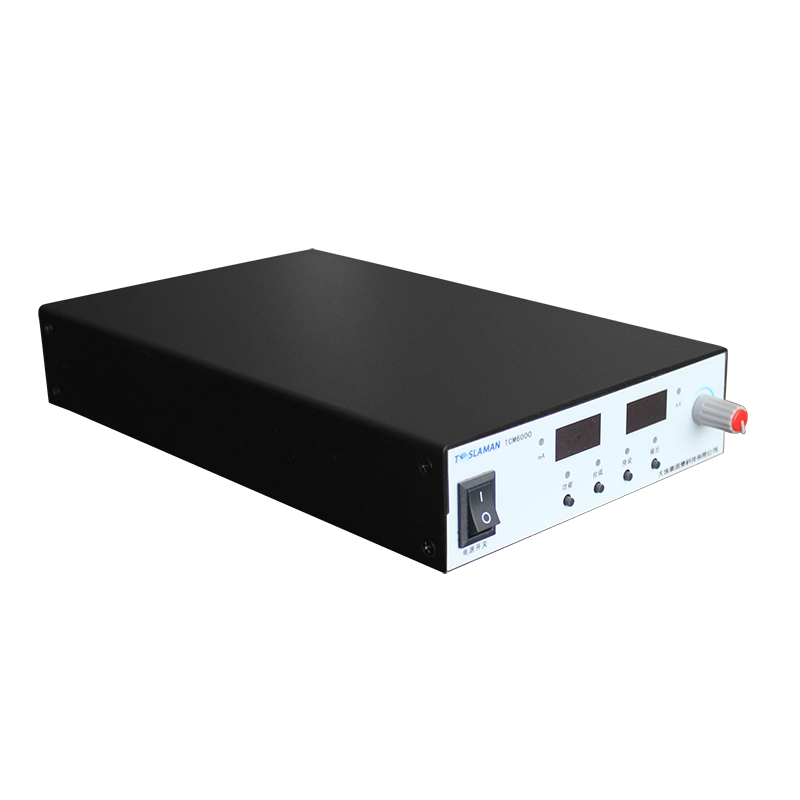
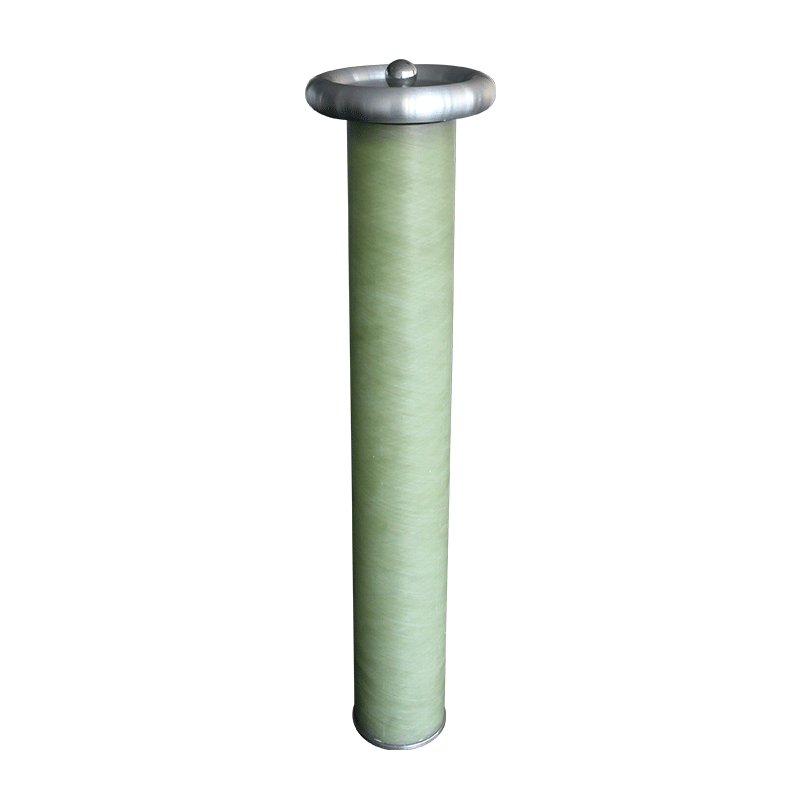
The ion implantation system accelerates the dopant ions to the defined energy, and the ion beam is scanned over the target for the uniform implantation. The dose is determined by the beam current and the implantation time, and the dose control requires the accurate beam monitoring. The high-voltage supply provides the acceleration voltage for the ion energy.
The two-dimensional materials are sensitive to the implantation damage, and the doping process is optimized for the minimal damage and the effective activation. The ion energy and the dose are selected for the material thickness, and the annealing process activates the dopants. The process optimization supports the doping of the thin materials.
The electrical characterization of the doped materials includes the measurement of the carrier concentration and the mobility, and the results are correlated with the implantation parameters. The optimization of the dose control improves the doping uniformity and the device performance, and the process is refined based on the characterization. The characterization supports the process development.
The production of the doped two-dimensional materials requires the reproducibility of the implantation process, and the dose control is verified for the consistency. The monitoring of the beam parameters supports the process stability, and the variations are corrected. The reproducibility supports the device fabrication.
The verification of the dose control includes the evaluation of the doping uniformity and the electrical properties, and the results are compared with the specification. The device performance is tested with the doped materials, and the correlation with the doping conditions is confirmed. The verification supports the qualification of the doping process.
The two-dimensional materials offer the potential for the advanced electronic and the photonic devices, and the controlled doping supports the realization of the device functions. The precise dose control contributes to the development of the two-dimensional material technology, and the technology advances the semiconductor applications.
The advancement of the two-dimensional material research demands the better doping control and the lower damage, and the implantation processes follow the requirements of the new materials. The improved beam control and the process diagnostics enhance the capability, and the cooperation with the research and the industry partners drives the innovation.
Precise dose control of the ion implantation high-voltage supplies enables the doping of the novel two-dimensional materials, and the accurate dose regulation, the careful process optimization, and the verification deliver the required doping quality. The continued development will support the advancement of the two-dimensional material applications.
The maintenance of the implantation system includes the service of the ion source and the inspection of the beamline components, and the condition of the system affects the beam quality. The replacement of the consumables is scheduled, and the system is requalified after the maintenance. The maintenance program supports the consistent doping.
The training of the process engineers covers the operation of the implantation system and the interpretation of the process data, and the understanding of the dose control supports the process development. The collaboration between the equipment and the process teams improves the integration, and the knowledge sharing supports the continuous improvement.
The economic assessment of the doping process considers the material utilization, the throughput, and the device yield, and the precise dose control reduces the rejects and the rework. The improved doping quality supports the device performance, and the investment is justified by the quality benefit. The assessment supports the production decisions.
The documentation of the doping process includes the implantation parameters, the material records, and the device data, and the documentation supports the reproducibility and the traceability of the doping. The reviews of the process data support the improvement, and the documentation is maintained according to the quality system. The documentation supports the device fabrication.
The verification of the complete doping process includes the evaluation of the electrical properties and the device performance, and the consistency of the doping is confirmed. The process is qualified for the device fabrication, and the periodic checks confirm the continued performance. The verification supports the quality assurance of the devices.
The collaboration between the equipment suppliers and the device manufacturers supports the optimization of the doping processes, and the exchange of the experience contributes to the refinement of the dose control. The requirements of the new devices guide the development, and the equipment is adapted accordingly. The collaboration drives the advancement of the two-dimensional material technology.
The comparison of the implantation doping with the alternative doping methods provides the perspective on the advantages and the limitations, and the evaluation supports the selection for the specific materials. The requirements of the devices determine the suitable method, and the economics are considered. The evaluation supports the informed decision-making.
The scaling of the doping process to the production volumes requires the deployment of the additional implantation capacity, and the performance of the systems is verified for the consistent doping. The data from the systems is aggregated for the analysis, and the process is optimized for the production scale. The scaling supports the commercialization of the devices.
The continuous improvement of the doping process is supported by the data analysis and the experimental validation, and the process changes are implemented after the verification. The performance targets are reviewed periodically, and the improvements are documented. The continuous improvement maintains the competitiveness of the process.