Voltage Multiplication and Pulse Compression Technology of High-Voltage Supplies in Industrial High-Power Pulse Applications
The industrial high-power pulse applications require the delivery of the high-voltage pulses with the defined amplitude and the duration, and the applications include the pulsed power processing, the electric field treatment, and the pulse discharge systems. The high-voltage supply generates the pulses through the voltage multiplication and the pulse compression, and the technology provides the high-voltage pulses for the industrial processes. The engineering work covers the pulse generation, the system design, and the verification.
The high-power pulse applications use the short high-voltage pulses for the material processing and the energy delivery, and the pulse parameters determine the process effects. The voltage multiplication generates the high voltage from the lower input, and the pulse compression shapes the pulse for the required characteristics. The pulse generation supports the industrial applications.
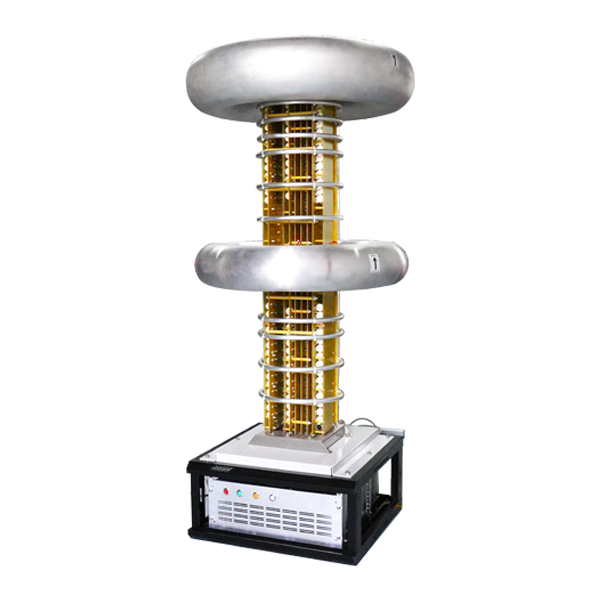
The voltage multiplication is implemented through the multiplier circuits such as the Cockcroft-Walton and the Marx generators, and the circuit design determines the voltage gain and the efficiency. The components are selected for the high-voltage and the high-current requirements, and the charging and the discharging sequences are controlled. The multiplier design supports the high-voltage generation.
The pulse compression concentrates the energy into the short pulse through the energy storage and the switching, and the pulse shaping controls the rise time and the duration. The switching elements are selected for the fast operation and the high reliability, and the pulse forming networks shape the pulse waveform. The compression design supports the pulse characteristics.
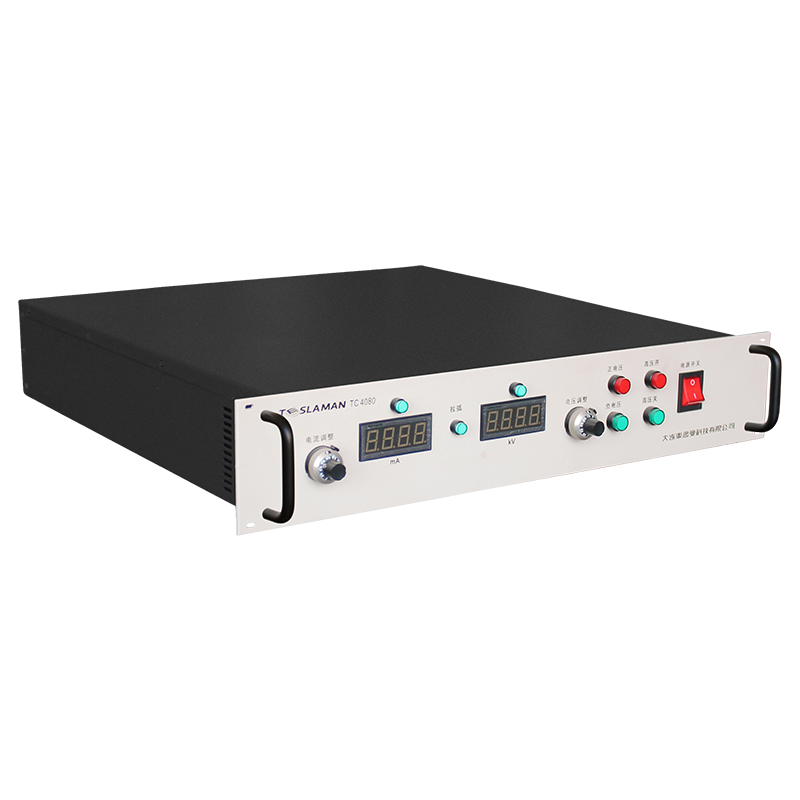
The industrial high-power pulse systems require the reliable operation and the safety protection, and the systems include the interlocks and the shielding for the personnel protection. The pulse generation is synchronized with the process control, and the monitoring of the pulse parameters supports the process quality. The system integration supports the industrial use.
The applications of the high-power pulses include the food processing, the wastewater treatment, and the materials modification, and the process requirements vary with the applications. The pulse parameters are optimized for the target processes, and the systems are scaled for the production throughput. The application-specific optimization supports the process performance.
The verification of the pulse system includes the measurement of the pulse amplitude, the duration, and the repetition rate, and the results are compared with the specification. The process effects are evaluated for the applications, and the system reliability is confirmed. The verification supports the deployment of the pulse systems.
The high-power pulse technology provides the efficient processing for the industrial applications, and the reliable pulse generation supports the process implementation. The voltage multiplication and the pulse compression contribute to the system capability, and the technology advances the industrial pulse processing.
The advancement of the high-power pulse technology demands the higher pulse performance and the better reliability, and the systems follow the requirements of the new applications. The improved switching and the circuit design enhance the capability, and the cooperation with the process industries drives the innovation.
Voltage multiplication and pulse compression technology of the high-voltage supplies enables the industrial high-power pulse applications, and the careful pulse generation, the system design, and the verification deliver the required pulse performance. The continued development will support the advancement of the industrial pulse technology.
The maintenance of the pulse system includes the inspection of the switching components and the verification of the pulse parameters, and the condition of the components affects the pulse quality. The replacement of the consumables is scheduled, and the system is requalified after the maintenance. The maintenance program supports the consistent operation.
The training of the operators covers the operation of the pulse system and the handling of the high-voltage equipment, and the safety procedures are included in the training. The understanding of the pulse generation supports the process control, and the technical support provides the assistance. The training supports the reliable operation.
The economic assessment of the pulse processing considers the process efficiency, the energy consumption, and the operating cost, and the effective pulse delivery reduces the processing time and the energy use. The reliable system supports the production, and the investment is justified by the process benefit. The assessment supports the deployment decisions.
The documentation of the pulse system includes the circuit specifications, the test reports, and the maintenance records, and the documentation supports the traceability and the quality assurance. The reviews of the data support the improvement, and the documentation is maintained according to the quality system. The documentation supports the operation control.
The verification of the complete system includes the evaluation of the pulse performance and the reliability over the operation, and the consistency of the pulse characteristics is confirmed. The system is qualified for the production use, and the periodic checks confirm the continued performance. The verification supports the reliability of the processing.
The collaboration between the equipment suppliers and the process industries supports the optimization of the pulse systems, and the exchange of the experience contributes to the refinement of the pulse parameters. The requirements of the new processes guide the development, and the systems are adapted accordingly. The collaboration drives the advancement of the pulse technology.
The comparison of the voltage multiplication and the direct conversion approaches provides the perspective on the efficiency and the complexity, and the evaluation supports the selection for the specific applications. The requirements of the processes determine the suitable approach, and the economics are considered. The evaluation supports the informed decision-making.
The scaling of the pulse processing to the production volumes requires the deployment of the additional systems, and the performance of the systems is verified for the consistent operation. The data from the systems is aggregated for the analysis, and the process is optimized for the scale. The scaling supports the growth of the industrial applications.
The continuous improvement of the pulse system is supported by the data analysis and the design validation, and the improvements are implemented after the verification. The performance targets are reviewed periodically, and the documentation is updated. The continuous improvement maintains the efficiency of the processing.
The reliability of the pulse system is supported by the component qualification and the periodic testing, and the pulse parameters are verified for the consistency. The operating data supports the maintenance planning, and the corrective actions are taken for the deviations. The reliability engineering supports the continuous pulse processing.