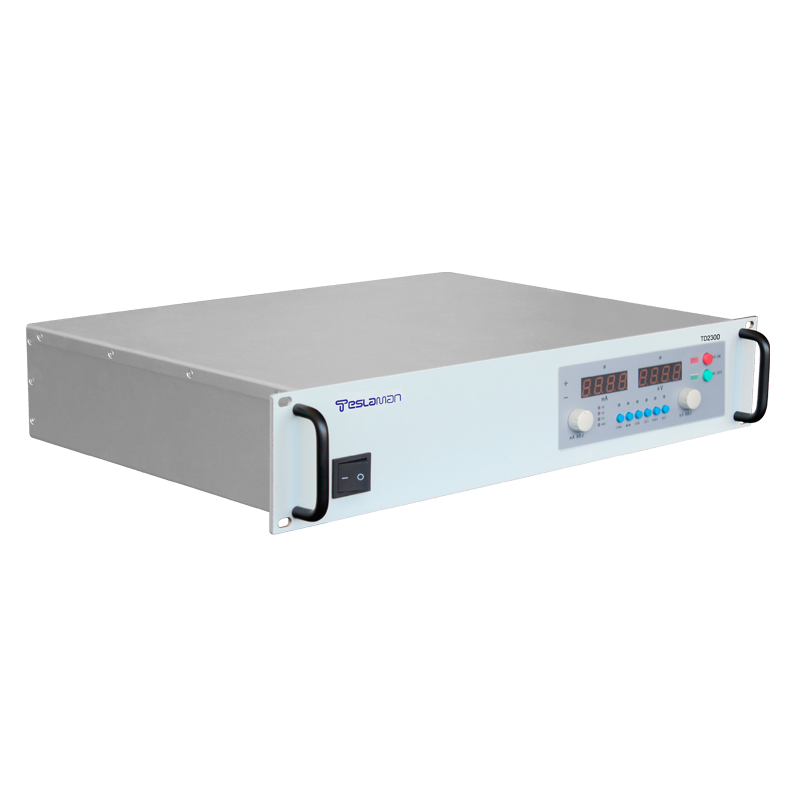
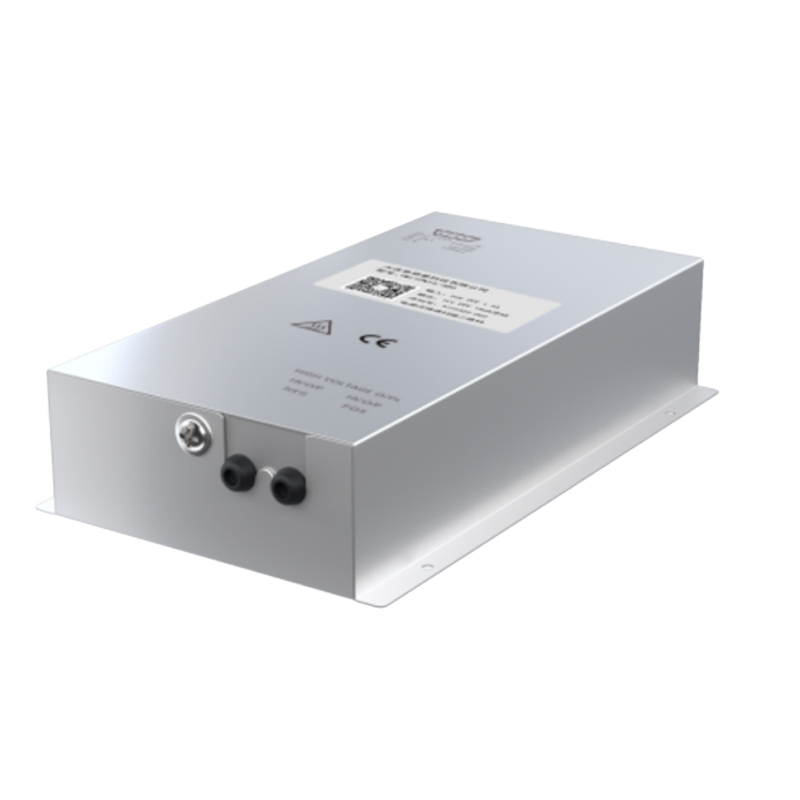
Radiation Tolerance Design of Microchannel Plate Detector High-Voltage Supplies in Extreme Environment Detection Tasks
The extreme environment detection tasks require the reliable operation of the detection systems under the harsh conditions such as the radiation exposure, the temperature extremes, and the vacuum environment, and the detection applications include the particle detection and the imaging in the field instruments. The microchannel plate detector provides the signal amplification for the detection, and the high-voltage supply of the detector controls the gain. The radiation tolerance design of the supply supports the detection reliability, and the engineering work covers the tolerance design, the environment adaptation, and the verification.
The extreme environment detection systems operate under the conditions that stress the electronic components, and the radiation exposure affects the performance of the semiconductors and the insulators. The microchannel plate detector amplifies the weak signals through the electron multiplication, and the gain of the detector depends on the supply voltage. The stable supply supports the consistent detection in the harsh environment.
The radiation tolerance design of the supply includes the selection of the radiation-hardened components and the shielding of the sensitive circuits, and the design reduces the susceptibility to the radiation-induced effects. The total dose and the single event effects are considered in the design, and the component derating provides the margin for the degradation. The tolerance design supports the long-term operation.
The microchannel plate detector requires the high voltage for the electron multiplication, and the supply provides the stable voltage across the detector. The current monitoring protects the detector from the overcurrent, and the voltage adjustment supports the gain control. The supply performance supports the detection sensitivity.
The harsh environment conditions include the wide temperature range and the vacuum exposure, and the supply is designed for the thermal management and the outgassing control. The potting and the sealing protect the components from the environment, and the thermal cycling tests verify the reliability. The environment adaptation supports the field operation.
The verification of the radiation tolerance includes the irradiation testing and the performance evaluation, and the results are compared with the specification. The radiation exposure tests confirm the design margin, and the long-term operation tests assess the degradation. The verification supports the qualification of the supply.
The extreme environment detection is used for the particle analysis, the space science, and the industrial inspection, and the reliable detection supports the data quality. The radiation-tolerant supply contributes to the instrument reliability, and the technology advances the extreme environment detection.
The advancement of the detection technology demands the higher sensitivity and the better tolerance, and the detector systems follow the requirements of the new applications. The improved component technology and the circuit design enhance the capability, and the cooperation with the instrument manufacturers drives the innovation.
Radiation tolerance design of the microchannel plate detector high-voltage supplies enables the reliable extreme environment detection, and the careful tolerance design, the environment adaptation, and the verification deliver the required detection performance. The continued development will support the advancement of the detection technology.
The maintenance of the detection system includes the inspection of the detector and the verification of the high-voltage sections, and the condition of the components affects the detection performance. The scheduled maintenance supports the long-term operation, and the system is requalified after the maintenance. The maintenance program supports the field reliability.
The training of the operators covers the operation of the detection system and the handling of the high-voltage equipment, and the safety procedures are included in the training. The understanding of the radiation tolerance supports the field operation, and the technical support provides the assistance. The training supports the reliable operation.
The economic assessment of the detection system considers the instrument cost, the field service life, and the value of the detection data, and the reliable operation reduces the maintenance and the replacement cost. The extended service life supports the investment return, and the assessment justifies the tolerance design. The assessment supports the procurement decisions.
The documentation of the system includes the design specifications, the test records, and the operational procedures, and the documentation supports the traceability and the quality assurance. The reviews of the data support the improvement, and the documentation is maintained according to the quality system. The documentation supports the field deployment.
The verification of the complete system includes the evaluation of the detection sensitivity and the radiation tolerance over the extended operation, and the consistency of the performance is confirmed. The system is qualified for the field use, and the periodic checks confirm the continued performance. The verification supports the reliability of the detection.
The collaboration between the instrument suppliers and the field application organizations supports the development of the detection systems, and the exchange of the experience contributes to the refinement of the tolerance design. The requirements of the field tasks guide the development, and the systems are adapted accordingly. The collaboration drives the advancement of the detection technology.
The comparison of the different detector technologies provides the perspective on the sensitivity and the tolerance, and the evaluation supports the selection for the specific applications. The requirements of the field tasks determine the suitable technology, and the economics are considered. The evaluation supports the informed decision-making.
The scaling of the detection capability to the additional field stations requires the deployment of the additional systems, and the performance of the systems is verified for the consistent operation. The data from the stations is aggregated for the analysis, and the procedures are harmonized. The scaling supports the expansion of the field monitoring.
The continuous improvement of the system is supported by the data analysis and the design validation, and the improvements are implemented after the verification. The performance targets are reviewed periodically, and the documentation is updated. The continuous improvement maintains the capability of the detection system.
The reliability of the detection system over the long operation is supported by the periodic verification and the condition monitoring, and the performance is reviewed for the continued suitability. The field data supports the maintenance planning, and the deviations are corrected through the quality control. The reliability engineering supports the sustained detection quality.