Flexible Application of Polarity-Switchable High-Voltage Supplies in Electrostatic Mineral and Textile Sorting Equipment
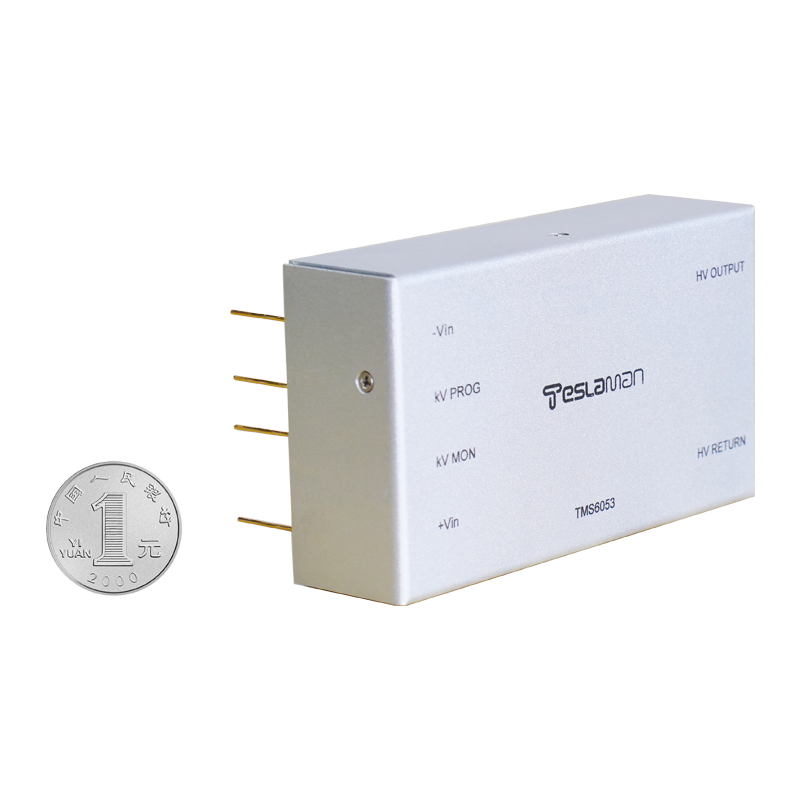
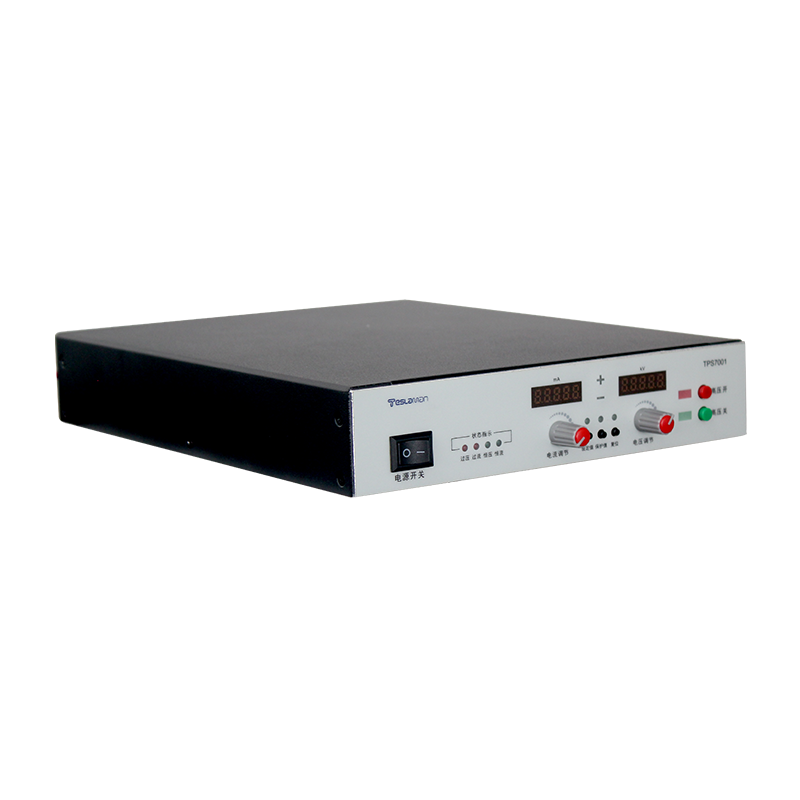
The electrostatic sorting separates the materials according to the electrical properties, and the applications include the mineral processing and the textile fiber sorting. The electrostatic sorting equipment uses the electric fields for the material separation, and the high-voltage supply of the equipment provides the field voltages. The flexible application of the polarity-switchable supply supports the sorting processes, and the engineering work covers the polarity control, the process integration, and the verification.
The mineral sorting separates the valuable minerals from the gangue according to the conductivity and the charge characteristics, and the electrostatic separation provides the dry processing for the mineral ores. The textile sorting classifies the fibers by the material properties, and the electrostatic methods support the recycling. The sorting processes require the controlled fields.
The electrostatic sorting charges the particles and deflects the particles in the electric field, and the separation depends on the field strength and the electrode configuration. The high-voltage supply provides the field voltage, and the polarity switching supports the separation of the differently charged materials. The polarity control supports the sorting flexibility.
The mineral processing involves the particle preparation and the feed control, and the sorting conditions are optimized for the mineral types. The feed rate and the field parameters affect the separation efficiency, and the process is adjusted for the ore characteristics. The process integration supports the mineral sorting.
The textile sorting classifies the fibers for the recycling, and the electrostatic separation separates the synthetic and the natural fibers. The polarity and the field settings are adapted for the fiber types, and the sorting quality is evaluated. The process adaptation supports the textile recycling.
The monitoring of the sorting process includes the measurement of the separation efficiency and the product quality, and the data is used for the control and the analysis. The field parameters are adjusted for the process stability, and the sorting performance is maintained. The monitoring supports the reliable operation.
The verification of the sorting equipment includes the evaluation of the separation efficiency and the product purity, and the results are compared with the specification. The sorting tests confirm the process compatibility, and the repeatability is assessed. The verification supports the process qualification.
The electrostatic sorting provides the efficient material separation for the mineral and the textile industries, and the flexible supply supports the process versatility. The polarity switching contributes to the sorting capability, and the technology advances the material processing.
The advancement of the sorting technology demands the higher separation efficiency and the better process control, and the equipment follows the requirements of the new applications. The improved field control and the automation enhance the capability, and the cooperation with the processing industries drives the innovation.
Flexible application of the polarity-switchable high-voltage supplies enables the electrostatic mineral and the textile sorting equipment, and the careful polarity control, the process integration, and the verification deliver the required sorting performance. The continued development will support the advancement of the electrostatic sorting technology.
The maintenance of the sorting equipment includes the cleaning of the electrodes and the verification of the field performance after the servicing, and the maintenance records support the planning of the future servicing. The condition monitoring of the equipment detects the changes of the separation efficiency, and the corrective actions are implemented before the product quality is affected. The maintenance program is reviewed periodically for the effectiveness, and the improvements are made based on the experience.
The training of the operators covers the process adjustment and the safety procedures, and the certification confirms the competence of the personnel. The training program is updated with the changes of the materials and the technology, and the knowledge of the team is maintained at the required level. The documentation of the procedures supports the consistent operation, and the records of the training are maintained for the compliance.
The economic assessment of the sorting includes the evaluation of the equipment investment and the operating costs, and the benefits of the high separation efficiency are considered in the assessment. The material recovery and the reduced waste contribute to the overall value, and the total cost of ownership is evaluated for the decision-making. The economic analysis supports the investment planning.
The documentation of the sorting includes the procedures, the process records, and the product specifications, and the records support the traceability and the audit. The quality management system defines the responsibilities and the processes, and the compliance is verified through the internal and the external audits. The documentation is maintained according to the requirements.
The comparison of the sorting methods provides the basis for the selection of the appropriate technology, and the efficiency and the cost are evaluated for the applications. The experience with the different materials contributes to the understanding of the capabilities, and the selection is reviewed with the technology development.
The continuous improvement of the sorting includes the analysis of the process data and the refinement of the procedures, and the improvements are implemented with the verification of the benefits. The feedback from the operations supports the adjustment of the sorting parameters, and the performance targets are reviewed periodically.
The reliability engineering of the sorting equipment focuses on the dependable separation over the extended period, and the failure modes of the components are analyzed for the improvement of the design. The redundancy and the protective features are implemented for the critical functions, and the reliability data from the field supports the continuous refinement. The reliability targets are defined at the system level, and the achieved performance is reviewed against the targets.
The field data collection supports the evaluation of the sorting quality, and the statistics from the operations are used for the trend analysis. The systematic collection of the records provides the evidence for the decision-making, and the quality indicators are monitored for the improvement.
The sorting application of the polarity-switchable supply continues to expand, and the improved separation efficiency supports the material processing. The engineering development focuses on the process flexibility, and the service support keeps pace with the deployment. The improved polarity control supports the process versatility, and the electrostatic methods advance the material recycling and the fiber classification.