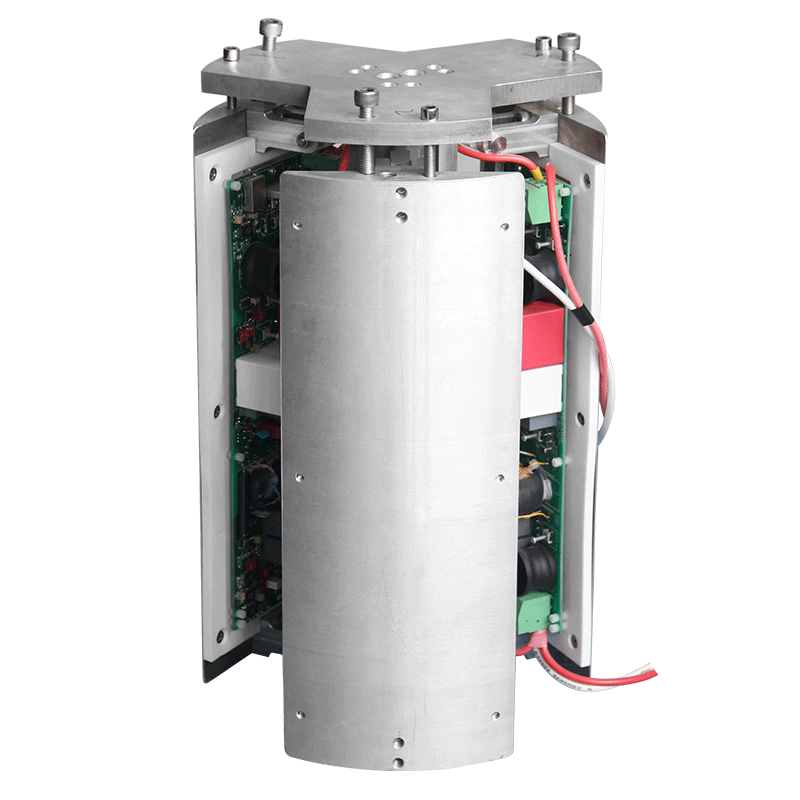
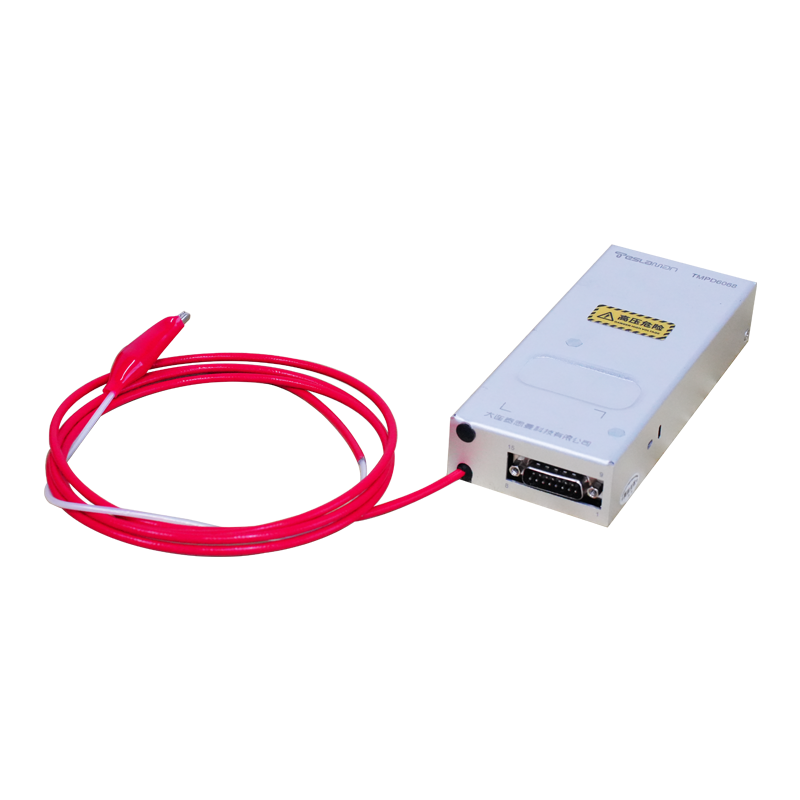
High Voltage Power for Enhanced Precision in Ion Beam Etching
Ion beam etching (IBE), a critical dry etching technique used in the manufacturing of high-frequency devices, magnetic heads, and specialized microelectromechanical systems (MEMS), relies fundamentally on the controlled interaction of an energetic ion beam with a substrate surface. The etching precision—defined by factors such as etch rate uniformity, profile anisotropy, and selectivity—is directly influenced by the precise control and stability provided by the high-voltage (HV) power supplies driving the ion beam source and acceleration grids.
The primary function of the HV power supplies in IBE is to create a highly energetic, uniform, and directional beam of ions (often noble gases like Argon). This involves two main HV subsystems: the plasma source supply and the extraction/acceleration grid supplies. The plasma source supply provides the power needed to create a high-density, stable plasma. Instability in this supply leads to fluctuations in the ion flux density, resulting in non-uniform etch rates across the wafer. Precision control, therefore, requires a highly regulated HV power source that maintains the plasma discharge parameters (voltage and current) with minimal temporal ripple and long-term drift, ensuring the ion density and flux remain constant over the entire etching period.
The most direct correlation between HV power and etching precision lies in the acceleration and focusing grids. The HV power supplies connected to these grids determine the final kinetic energy and trajectory of the ions bombarding the wafer. The accelerating voltage dictates the ion energy, which in turn strongly influences the physical sputtering rate and the degree of damage imparted to the substrate. To achieve a tight, reproducible etch depth, the accelerating voltage must be maintained with exceptional stability (typically $<0.01\%$ deviation). Any voltage fluctuation translates directly into ion energy variations, leading to uncontrolled changes in the etch rate and the profile of the etched features. The use of highly stable DC HV sources, incorporating sophisticated filtering and active voltage regulation circuits, is essential here to minimize ripple and drift that could compromise the final etch uniformity.
Furthermore, the HV power supplies are critical for maintaining beam profile uniformity. IBE systems often use large-area ion sources, and it is crucial that the ion energy and density are uniform across the entire beam footprint. Non-uniform power delivery to the extraction and focus grids can cause beam divergence or localized hot spots in the beam density, leading to non-uniform etching profiles (e.g., trenching or corner rounding). Advanced HV power architectures address this by employing multi-zone power control or sophisticated feedback systems that dynamically adjust the grid potentials to compensate for non-uniform plasma density or physical grid wear. This precise, spatially and temporally controlled HV potential field ensures that the ion beam remains highly directional (anisotropic) and imparts the desired energy uniformly across the substrate, directly enhancing the profile fidelity and overall precision of the ion beam etching process, a requirement for high-aspect-ratio features in advanced device structures.