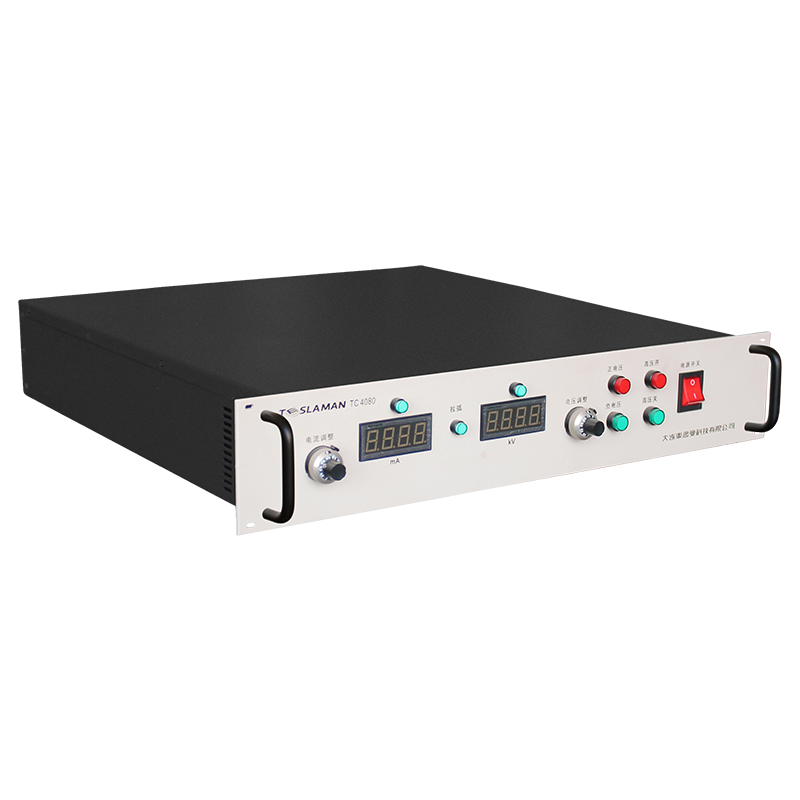
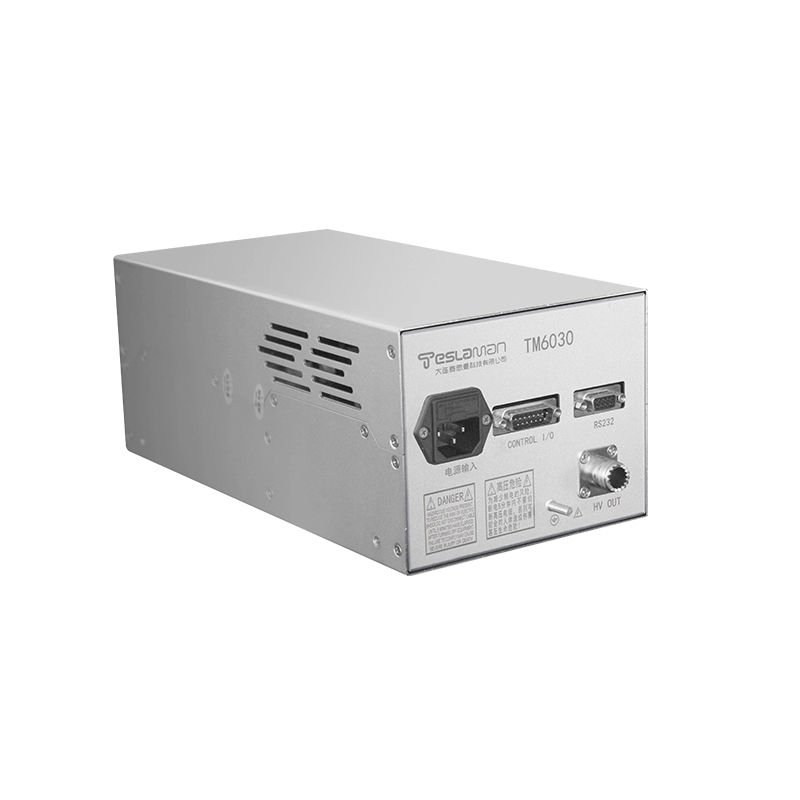
Composite High-Voltage Power System for Ion Beam Assisted Vacuum Deposition
Ion beam assisted deposition represents a significant leap in vacuum coating technology, merging the line-of-sight deposition characteristic of physical vapor evaporation with the directed energy bombardment of an ion beam. This hybrid process enables the synthesis of thin films with exceptional density, adhesion, stoichiometry, and tailored stress states, unattainable by either technique alone. The efficacy of IBAD is fundamentally governed by the performance and integration of its composite high-voltage power system, which typically consists of two or more distinct but coordinated high-voltage supplies: one for the deposition source and another for the ion assistance source. This creates a complex, multi-parameter energy landscape critical for advanced film growth. The deposition source, often an electron-beam evaporator or a thermal evaporation boat, requires a high-voltage power supply in the range of 6 to 15 kilovolts. For electron-beam systems, this supply accelerates electrons emitted from a hot filament or cathode towards a crucible containing the source material. The power supply must provide exceptional stability and low ripple to ensure a consistent evaporation rate, which is paramount for controlling film thickness and composition. It often incorporates multiple output stages for different functions, such as the main acceleration voltage, the filament heating current, and the focusing magnet current. In contrast, the ion assistance is provided by a dedicated ion source, such as a Kaufman-type or End-Hall source, which generates a broad, neutralized beam of inert or reactive ions. The power system for this source is multifaceted. A cathode heater supply, usually low-voltage and high-current, heats the filament or hollow cathode to generate electrons. A discharge power supply, typically several hundred volts, applies a potential between the cathode and the anode within the ion source chamber to sustain a dense plasma. The most critical component is the ion acceleration power supply, which applies a high positive voltage, commonly ranging from 50 to 1500 volts, to a set of grids with precisely aligned apertures. This voltage extracts ions from the plasma and accelerates them towards the substrate, imparting kinetic energy. A separate neutralizer cathode and its power supply are essential to inject electrons into the ion beam, preventing space charge buildup that would otherwise cause the beam to diverge. The true sophistication of the composite system lies in the synchronization and independent control of these power domains. Modern implementations utilize digital controllers that allow the operator to program intricate energy delivery profiles. For instance, the ion beam energy and current density can be varied dynamically during the deposition of a single layer to engineer graded interfaces or modify residual film stress. During the deposition of compound films, the ion source may also be fed with a reactive gas, effectively creating an ion-assisted reactive deposition process where the ion beam not only provides energy but also participates in the chemical reaction. The power supplies must be designed to operate in the challenging environment of a vacuum chamber backend, with proper insulation and feedthroughs to handle high voltages at ultra-high vacuum conditions. Electromagnetic interference between the high-power e-beam supply and the sensitive ion source controls must be meticulously shielded. The benefits of this integrated high-voltage approach are profound. The incident ions from the assistance beam impart momentum to the depositing atoms, increasing their surface mobility and displacing weakly bound atoms. This leads to films that are denser, approaching the theoretical bulk density, with significantly improved adhesion to the substrate. The energy input also allows deposition to occur at much lower substrate temperatures, enabling the coating of temperature-sensitive materials like polymers. By carefully selecting the ion energy and species, one can precisely control crystallographic orientation, suppress columnar growth morphology common in pure evaporation, and tailor intrinsic film stress from compressive to tensile. This level of control is indispensable for producing high-performance optical coatings with minimal scatter and absorption, ultra-hard tribological coatings for cutting tools, and environmentally protective barriers on aerospace components. The composite high-voltage power system is, therefore, the orchestral conductor of the IBAD process, its precision and flexibility directly translating to the superior and reproducible quality of the engineered thin film, cementing IBAD's role as a critical technology for advanced surface engineering applications.