Microchannel Plate Gain Recovery High-Voltage Training Strategy
Microchannel plates serve as essential electron multipliers in various scientific and industrial applications,including night vision devices,time-of-flight mass spectrometers,and X-ray detection systems.Over time,these devices can experience gain degradation that reduces their performance.High-voltage training strategies offer mechanisms to recover lost gain and extend operational lifetime.
Microchannel plates consist of arrays of millions of microscopic glass channels,each functioning as an independent electron multiplier.When electrons enter a channel and strike the channel wall,secondary electrons are emitted.These secondary electrons are accelerated by an applied electric field,striking the wall further along the channel and producing additional electrons through successive collisions.This cascade effect results in significant electron multiplication.
Gain degradation in microchannel plates occurs through several mechanisms.Contamination of channel surfaces from vacuum system residues and outgassing products reduces secondary electron emission efficiency.Channel wall material can undergo structural changes under prolonged electron bombardment.Ion feedback,where positive ions generated within the channels travel backward and damage the channel entrance,contributes to performance loss.
High-voltage training involves applying controlled elevated voltages to the microchannel plate to restore gain characteristics.The precise mechanisms underlying training effects are multifaceted.Elevated electric fields can energize contaminants,promoting their migration away from critical surfaces.Channel conditioning under high field stress can modify surface properties to enhance secondary electron emission.
The implementation of effective training strategies requires careful control of multiple parameters.Training voltage levels must be high enough to produce the desired conditioning effect without causing permanent damage to the device.Pulse duration and repetition rate affect the rate of conditioning versus potential damage accumulation.Total training dose must be optimized for maximum recovery.
Different microchannel plate types and applications may require customized training approaches.Photocathode-equipped devices require training procedures that protect the delicate photocathode while conditioning the plate.Red-based plates have different optimal training parameters compared to conventional lead-lined plates.High-gain applications may benefit from specific training waveforms.
Monitoring of training effectiveness employs various diagnostic approaches.Measurement of gain as a function of applied voltage provides characteristic curves that indicate conditioning progress.Spectral analysis of output noise can indicate changes in channel surface properties.Physical inspection of channel entrances using microscopy reveals morphological changes.
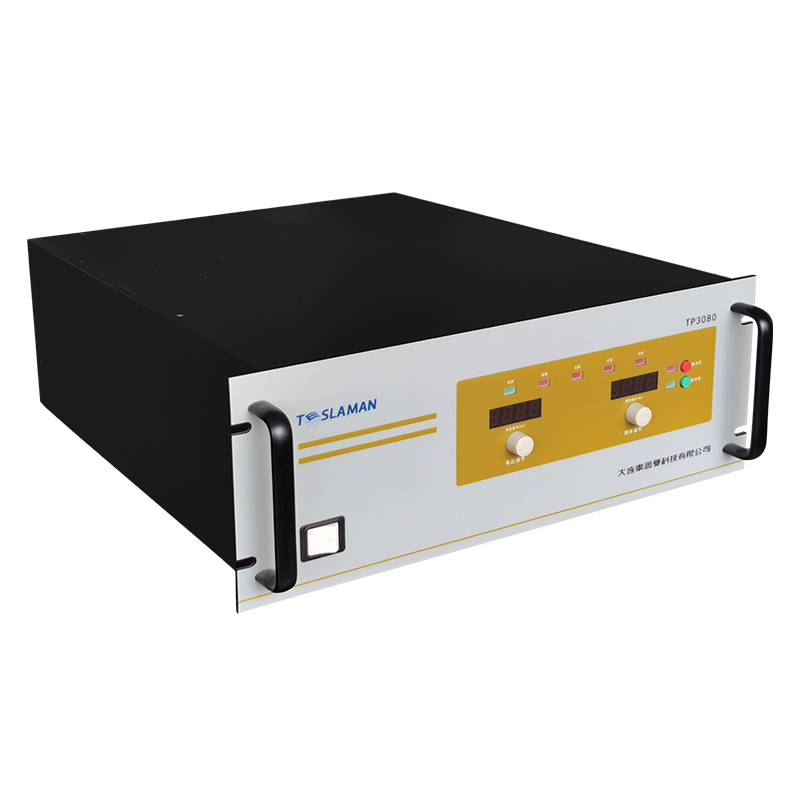
The practical implementation of high-voltage training requires appropriate hardware and procedures.Specialized high-voltage supplies with precise programmability enable exact training parameter control.Automation of training sequences ensures reproducible results and reduces operator burden.Documentation of training history supports quality assurance and maintenance scheduling.
Safety considerations in microchannel plate training operations require appropriate attention.High voltages present electrical hazards that necessitate interlock systems and safe operating procedures.Training under vacuum conditions requires appropriate vacuum system operation to prevent contamination.
Economic considerations favor training as a cost-effective maintenance approach compared to plate replacement,particularly for expensive specialized devices.The ability to extend operational lifetime through periodic training improves return on investment for high-value equipment.
Future developments in microchannel plate training technology will likely incorporate improved understanding of conditioning mechanisms and advanced control approaches.In-situ diagnostics integrated with training systems will enable closed-loop optimization. Machine learning algorithms may identify optimal training parameters for specific device types and degradation conditions.
In summary,high-voltage training strategies provide valuable capabilities for maintaining and recovering microchannel plate performance.Through systematic application of controlled elevated voltage exposure,microchannel plate devices can be restored to optimal operating characteristics,extending their useful service life and reducing maintenance costs.