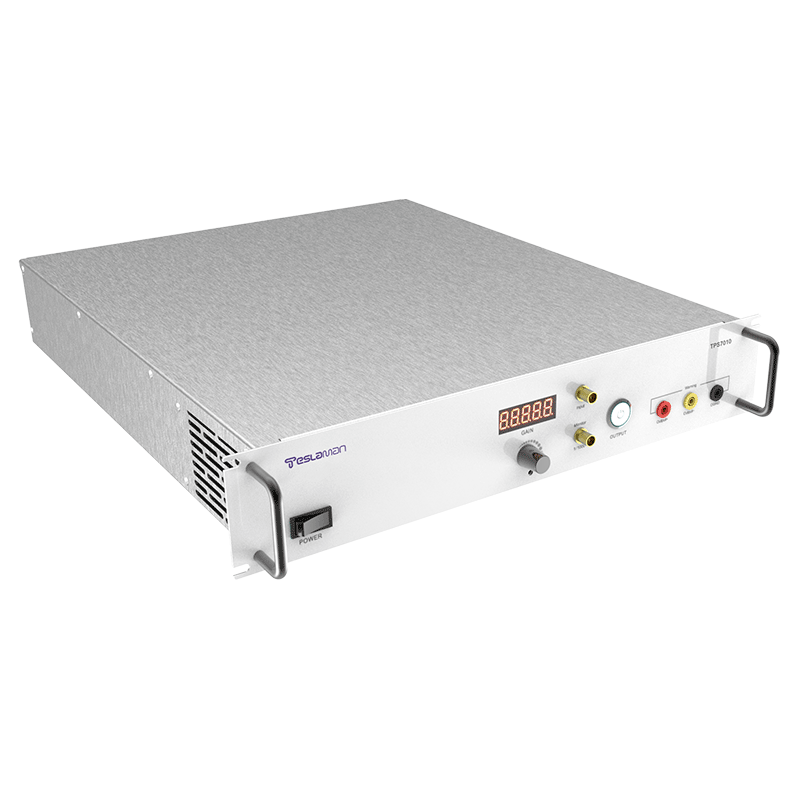
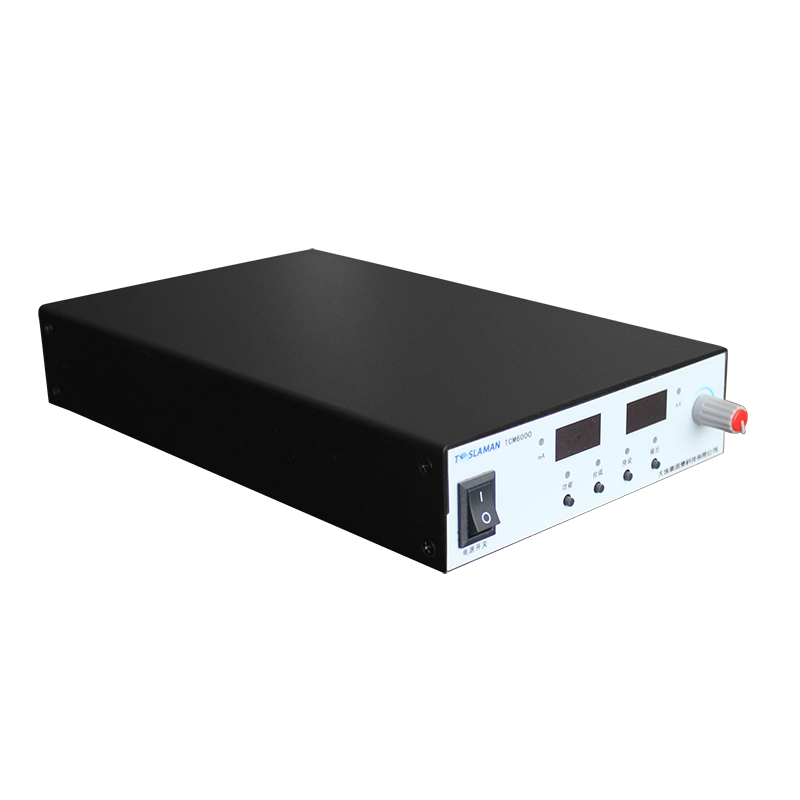
Voltage Divider Thermal Dissipation Design of High Voltage Power Supply for Discrete Dynode Electron Multiplier
Discrete dynode electron multipliers amplify electron signals for detection in mass spectrometry and other analytical instruments. These devices use a series of electrodes called dynodes, each at progressively higher voltage, to multiply electrons through secondary emission. The high voltage power supply uses a voltage divider network to establish the dynode voltages. Thermal dissipation in the divider is a significant design consideration, especially for high current applications. Proper thermal design ensures reliable operation and consistent performance. Understanding the thermal issues enables optimization of the power supply design.
The electrical requirements for electron multiplier power supplies depend on the number of dynodes and gain requirements. Typical operating voltages range from hundreds to thousands of volts, with the total voltage divided among the dynode stages. The voltage division determines the acceleration of electrons between stages. The current through the divider supplies the dynode currents for secondary emission. The power supply must provide stable voltage while supplying this current.
Dynode multiplication fundamentals involve secondary electron emission from biased electrodes. Electrons striking a dynode surface release multiple secondary electrons. These electrons accelerate to the next dynode, creating exponential amplification. The gain per stage depends on the voltage difference between dynodes. Higher voltages produce more multiplication but require more power.
Voltage divider functions include voltage distribution and current supply. The divider string divides the total voltage into appropriate stages. The divider current supplies the dynode emission current. The divider must provide stable voltages despite variations in dynode current. The design must balance stability, power consumption, and heat dissipation.
Thermal dissipation sources include the divider resistors and the multiplier load. The divider resistors dissipate power equal to the total voltage times the divider current. The dynode current also flows through the divider, adding to the dissipation. Higher gain and current requirements increase thermal load. The thermal design must manage this heat.
Resistor selection affects both electrical and thermal performance. High voltage resistors must withstand the voltage stress. Power resistors must handle the dissipation. Temperature coefficient affects voltage stability. The resistor selection must balance multiple requirements.
Heat sinking removes thermal energy from the divider. Conductive heat sinks transfer heat to chassis. Forced air cooling improves heat transfer. Liquid cooling provides highest capacity. The cooling approach must match the thermal load.
Thermal gradients across the divider affect voltage uniformity. Different temperatures cause different resistor values. This creates non-uniform voltage distribution. Isothermal design minimizes gradients. Temperature compensation may be required.
Thermal management affects long-term reliability. High temperatures accelerate resistor aging. Derating guidelines ensure reliable operation. The design must consider the worst-case thermal conditions. Lifetime testing validates the thermal design.
Compact design presents thermal challenges. Higher power density increases temperature rise. The layout must balance size and thermal performance. Advanced materials improve thermal conductivity. Creative mechanical design solves packaging constraints.
Environmental considerations affect thermal design. Ambient temperature variations affect component temperatures. Altitude affects air cooling effectiveness. The design must work across the expected environment. Testing validates thermal performance.
Cost trade-offs influence the thermal solution. More elaborate cooling increases cost. Resistor selection affects both cost and performance. The optimization must balance multiple factors. The design must meet requirements at minimum cost.
Future electron multipliers will demand improved power supplies. Higher gains require more stages or higher voltages. Faster response requires lower capacitance. Compact instruments require smaller power supplies. The thermal design must advance to support these requirements.