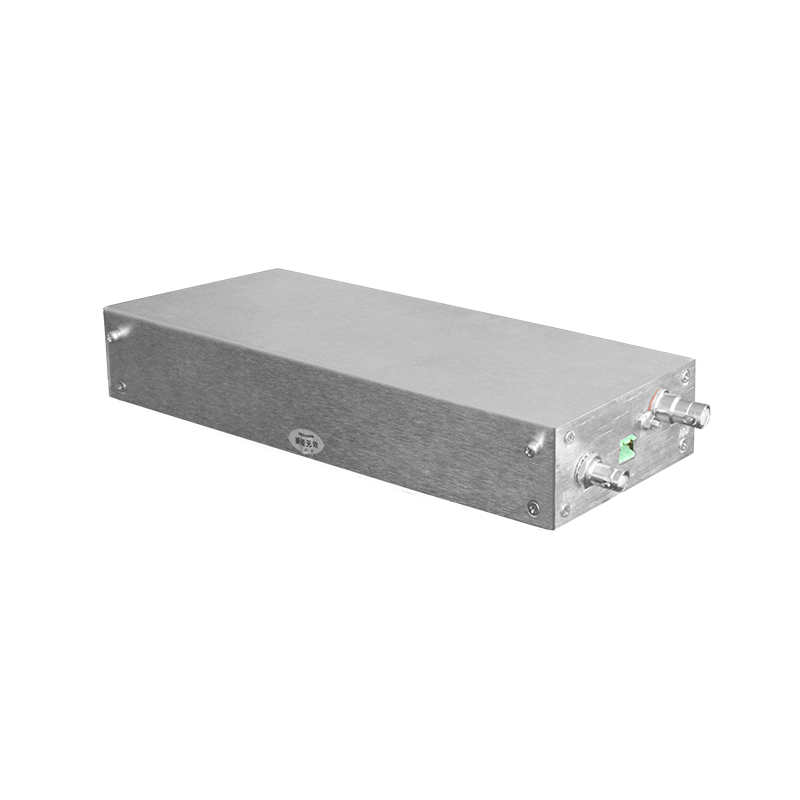
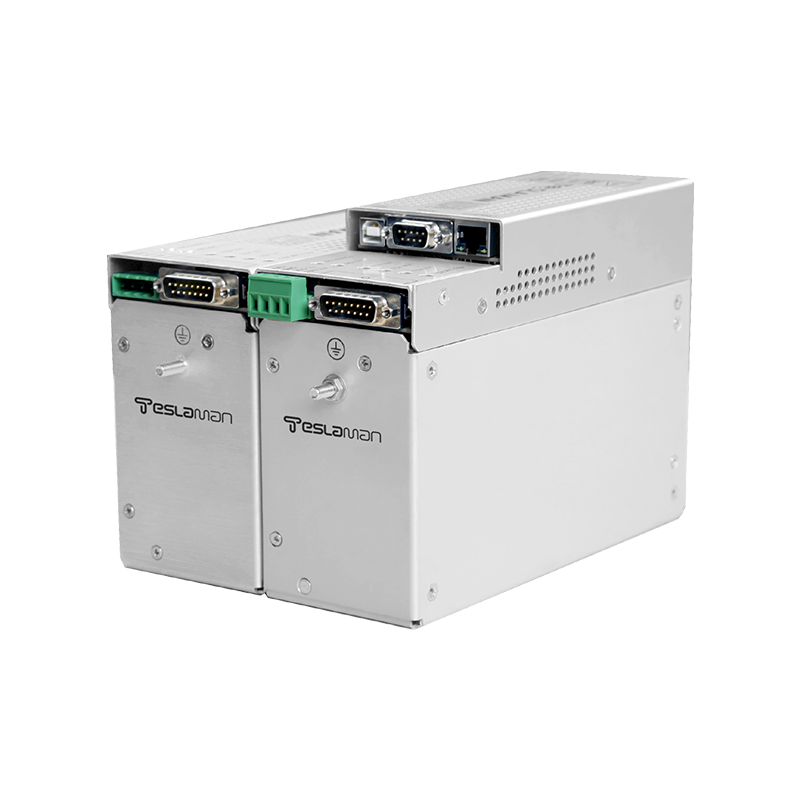
Miniaturized High Voltage Power Supply Module for Alignment Sensor in Next Generation Extreme Ultraviolet Lithography Machine
Extreme ultraviolet lithography represents the leading edge of semiconductor manufacturing technology. The alignment sensor ensures precise positioning of the wafer relative to the mask pattern. High voltage power supplies provide the bias for sensor components. The trend toward smaller feature sizes drives requirements for improved sensor performance. Miniaturization of the power supply module enables integration into the constrained space of lithography equipment. Understanding the miniaturization requirements enables development of compact power supplies for alignment sensors.
Extreme ultraviolet lithography fundamentals involve short wavelength exposure. The exposure wavelength of 13.5 nanometers enables resolution of features below 10 nanometers. The short wavelength requires vacuum operation and reflective optics. The alignment sensor positions the wafer with nanometer accuracy. The overlay error must be minimized for successful patterning. The alignment precision directly affects the device yield.
Alignment sensor operation involves optical detection of wafer marks. The sensor illuminates alignment marks on the wafer. The reflected or diffracted light is detected and analyzed. The position is determined from the detected signal. Multiple alignment marks may be used for global alignment. The sensor must operate in the lithography environment.
High voltage requirements for alignment sensors are moderate. Photomultiplier tubes may require hundreds to thousands of volts. Microchannel plates require similar voltage levels. Avalanche photodiodes require lower voltages. The voltage must be stable for consistent detection. The power supply must be compatible with the sensor type.
Miniaturization drivers for power supply modules are significant. The lithography equipment has limited internal space. The sensor assembly must be compact. Weight reduction improves the stage dynamics. Heat generation must be minimized. The miniaturization must not compromise performance.
Size reduction techniques for high voltage power supplies include several approaches. Higher switching frequencies enable smaller magnetics. Planar transformers reduce the component height. Integrated magnetics combine multiple functions. Thick film technology enables compact circuits. Advanced packaging reduces the overall volume. The techniques must be combined for maximum effect.
Efficiency considerations are critical for miniaturization. Higher efficiency reduces the heat generation. Lower heat generation enables smaller cooling systems. The efficiency affects the power density achievable. The efficiency must be maintained across the operating range. The efficiency specification must be appropriate for the application.
Thermal management in miniaturized modules is challenging. The reduced surface area limits heat dissipation. The component density increases the heat flux. Advanced cooling techniques may be required. The thermal design must maintain safe temperatures. The reliability depends on proper thermal management.
Electromagnetic compatibility is critical in lithography equipment. The power supply must not generate interference. The sensor is sensitive to electromagnetic interference. Shielding must be effective in the compact package. Filtering must attenuate conducted emissions. The electromagnetic compatibility design must be comprehensive.
Reliability requirements for lithography equipment are demanding. The equipment operates continuously in production. Downtime has significant economic impact. The power supply must have high reliability. Component derating improves reliability. The reliability design must match the application requirements.
Precision requirements for alignment sensor power supplies are stringent. Voltage stability affects the sensor sensitivity. Noise affects the detection signal-to-noise ratio. The precision must support the alignment accuracy. The specifications depend on the sensor design. The power supply must not limit the sensor performance.
Integration with the sensor assembly requires careful design. The mechanical interface must be precise. The electrical connections must be reliable. The thermal interface must be effective. The integration must not compromise the sensor performance. The module design must support the integration requirements.
Manufacturing considerations affect the miniaturization approach. Assembly processes must be compatible with small components. Testing must verify performance in the compact package. Quality control must ensure consistent production. The manufacturing cost must be appropriate for the application. The manufacturing processes must be capable of the required precision.
Future trends in alignment sensor power supplies continue toward miniaturization. Higher integration levels enable further size reduction. Advanced materials enable higher power density. Improved efficiency reduces thermal challenges. The development must continue to support lithography advances. The power supply technology must keep pace with the semiconductor roadmap.