Lifetime Evaluation of High Frequency High Voltage Pulse Power Supply for Gas Discharge Excitation of Excimer Laser
Excimer lasers generate ultraviolet light through electrical discharge in rare gas halide mixtures. The gas discharge is excited by high frequency high voltage pulses. The pulse power supply must operate reliably over extended periods in demanding conditions. Lifetime evaluation enables prediction of power supply reliability and planning of maintenance. Understanding the degradation mechanisms enables design improvements for longer life.
Excimer laser operation principles involve molecular formation and dissociation. The discharge creates excited rare gas halide molecules. The excited molecules emit ultraviolet photons upon decay. The molecules then dissociate back to constituent atoms. The process repeats with each discharge pulse. The laser output depends on the discharge conditions.
Discharge excitation requirements are demanding. The discharge voltage may reach tens of kilovolts. The pulse duration is typically tens of nanoseconds. The repetition rate may reach hundreds of hertz. The current during discharge is substantial. The power supply must meet these requirements reliably.
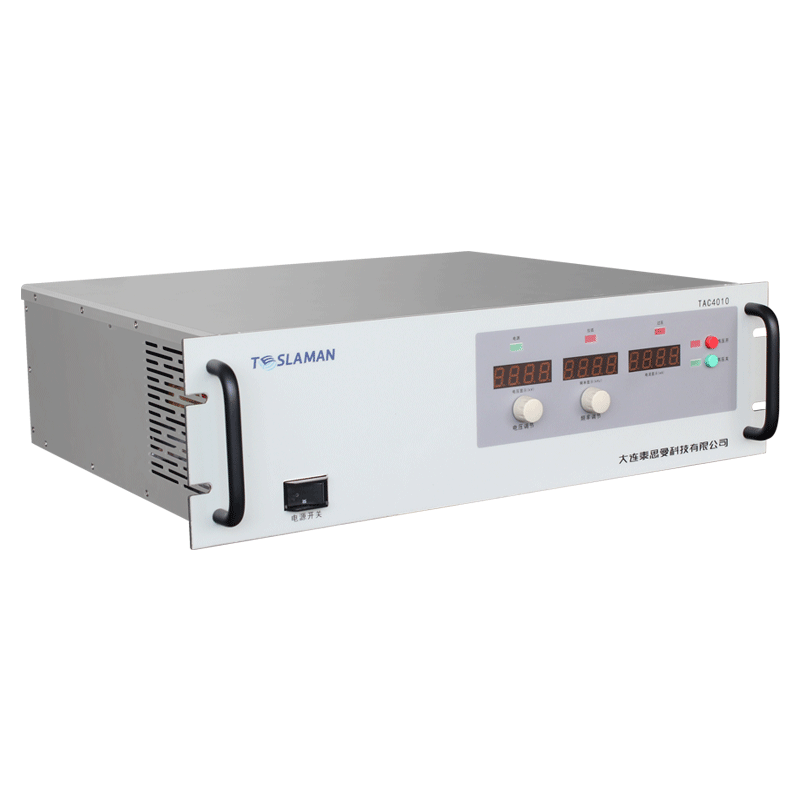
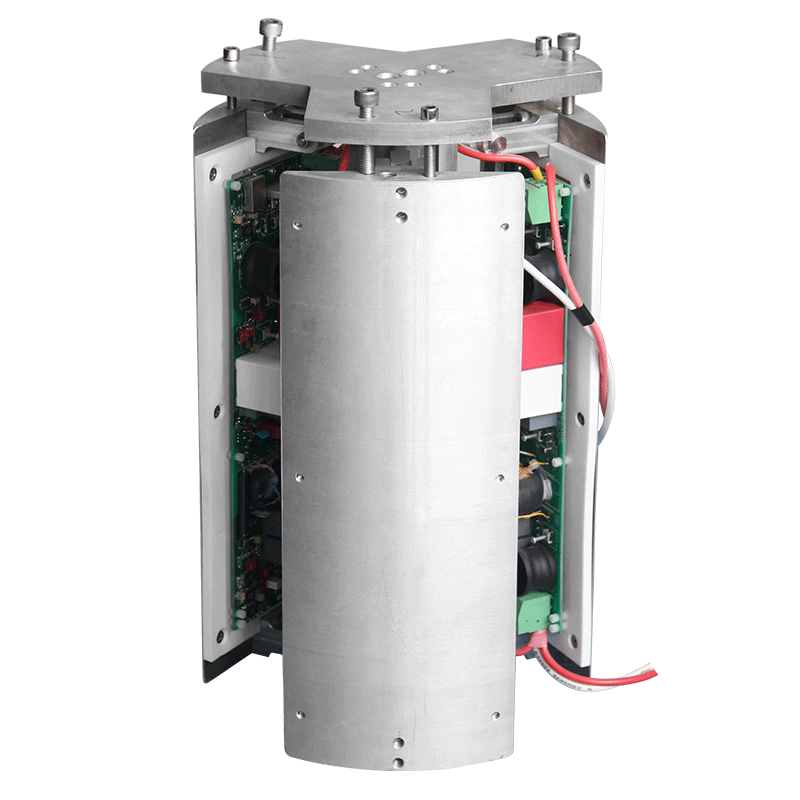
High frequency high voltage pulse power supply design involves several components. The energy storage capacitor stores energy between pulses. The switch releases the energy into the discharge circuit. The pulse transformer steps up the voltage to the required level. The magnetic components shape the pulse waveform. Each component has specific lifetime characteristics.
Capacitor lifetime is a critical factor. The capacitor experiences repeated charge and discharge cycles. The voltage stress causes dielectric degradation. The current stress causes heating and connection fatigue. The capacitor lifetime depends on the operating conditions. The lifetime prediction requires understanding of degradation mechanisms.
Switch lifetime affects the overall power supply reliability. Thyratron switches have limited shot life. Solid-state switches have different degradation mechanisms. The switch stress depends on the current and voltage levels. The switching speed affects the stress. The cooling affects the switch temperature. The switch lifetime must be appropriate for the application.
Transformer lifetime depends on insulation integrity. The high voltage pulses stress the insulation. Partial discharge can degrade the insulation over time. Thermal cycling causes mechanical stress. The insulation life follows the voltage stress relationship. The transformer design must ensure adequate life.
Magnetic component degradation affects the pulse characteristics. Core losses cause heating and degradation. Winding insulation can degrade under stress. The component temperature affects the degradation rate. The magnetic design must minimize stress. The component life must match the system requirements.
Thermal management affects component lifetime. Higher temperatures accelerate degradation. The cooling system must maintain safe temperatures. The thermal cycling during operation causes additional stress. The thermal design must be appropriate for the operating conditions. Proper thermal management extends component life.
Environmental factors affect the power supply lifetime. Humidity can affect insulation properties. Contamination can cause tracking and breakdown. Vibration can cause mechanical fatigue. The operating environment must be controlled. The environmental design must address the relevant factors.
Accelerated life testing enables lifetime prediction. Testing at elevated stress levels accelerates degradation. The acceleration factor relates test conditions to operating conditions. Statistical analysis of failure data provides lifetime estimates. The testing must cover all relevant failure modes. The accelerated testing must be validated against field experience.
Failure mode analysis identifies the critical degradation mechanisms. Each component has characteristic failure modes. The failure modes interact in complex ways. The analysis must identify the life-limiting factors. The analysis guides design improvements. The failure mode understanding enables accurate lifetime prediction.
Condition monitoring enables predictive maintenance. Monitoring key parameters indicates component health. Trend analysis predicts approaching failures. Maintenance can be scheduled before failure. The monitoring system must be appropriate for the failure modes. Condition monitoring extends the useful life through timely intervention.
Design for reliability improves the lifetime performance. Component derating reduces stress and extends life. Redundancy provides backup for critical components. Protection circuits prevent damage from fault conditions. The reliability design must be comprehensive. The design must balance lifetime against cost and performance.
Maintenance planning based on lifetime evaluation optimizes the total cost of ownership. Scheduled replacement prevents unplanned failures. Spare parts inventory can be optimized. Maintenance windows can be coordinated with laser operation. The lifetime evaluation must be accurate for effective planning. The maintenance strategy must be appropriate for the application criticality.