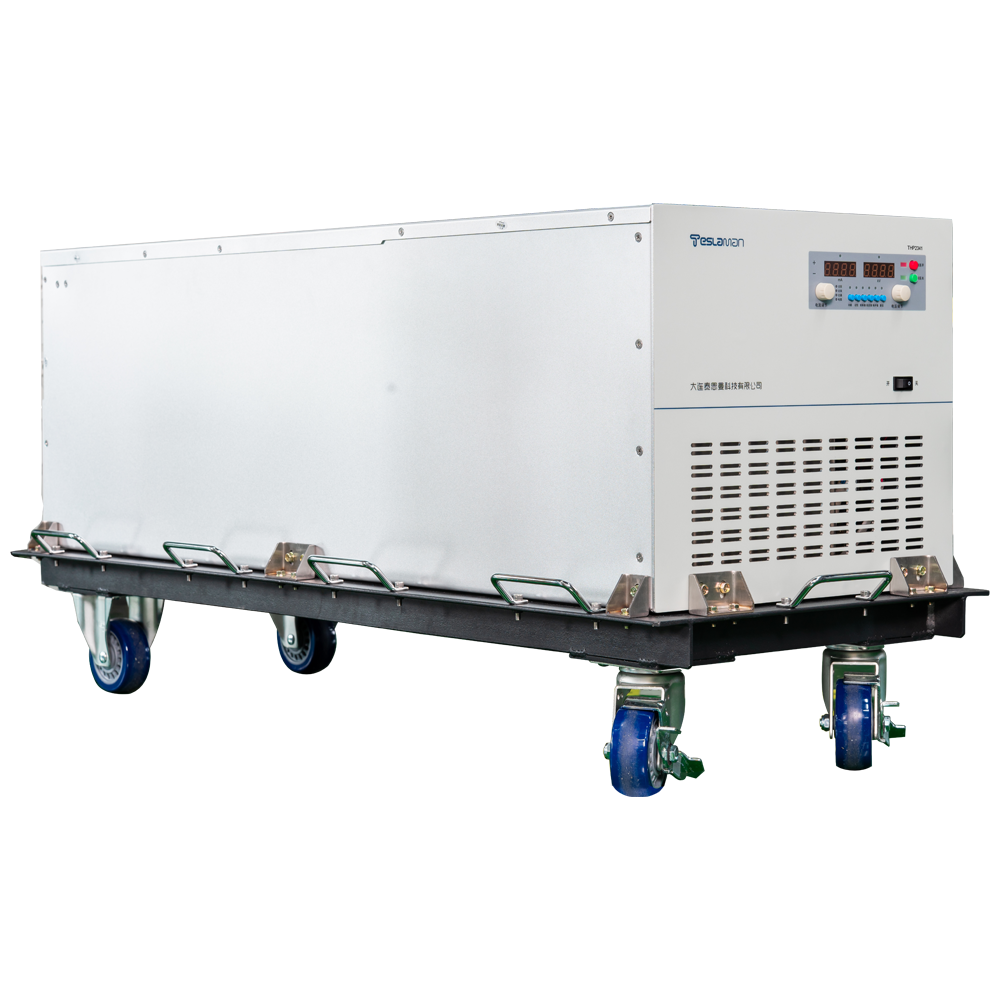
225kV DC High Voltage Power Supply for Volt-Ampere Characteristic Test Platform of Electrostatic Precipitator
Electrostatic precipitators require testing and characterization to ensure proper design and operation. The volt-ampere characteristics define the relationship between applied voltage and corona current. A test platform with precise voltage and current measurement enables characterization of precipitator performance. The 225kV DC high voltage power supply provides the voltage source for the test platform. Understanding the test platform requirements enables development of effective characterization systems.
Electrostatic precipitator operation involves corona discharge and particle collection. The discharge electrode creates a corona that generates ions. The ions charge particles in the gas stream. The charged particles migrate to collection electrodes. The migration velocity depends on the particle charge and electric field. The collection efficiency depends on the operating conditions.
Volt-ampere characteristics describe the precipitator electrical behavior. The corona onset voltage is the minimum voltage for corona. The current increases with voltage above onset. The relationship is nonlinear due to the corona physics. The characteristics depend on the electrode geometry. The characteristics depend on the gas conditions.
Test platform requirements include voltage and current measurement. The voltage must be measured with high accuracy. The current must be measured with high resolution. The measurements must cover the operating range. The measurement system must be calibrated. The data acquisition must enable characterization.
High voltage power supply requirements for the test platform are demanding. The voltage range must cover the precipitator operating range. The 225kV rating covers many industrial applications. The voltage must be adjustable over the full range. The voltage must be stable for measurement. The current capability must support the corona load.
Voltage regulation affects the measurement accuracy. The voltage must be settable to precise values. The regulation must maintain the voltage during measurement. The ripple must be low for clean measurement. The voltage control must enable automated sweeps. The regulation must support the characterization requirements.
Current measurement resolution affects the characterization detail. The corona current varies over a wide range. Small currents near onset require sensitive measurement. Large currents at high voltage require robust measurement. The measurement system must cover the full range. The resolution must reveal the characteristic details.
Safety considerations for high voltage testing are paramount. The test area must be secured against access. Interlocks must prevent energization with access. Grounding must be provided for safe discharge. Emergency shutdown must be readily accessible. The safety systems must be comprehensive.
Data acquisition systems capture the test data. The voltage and current must be recorded simultaneously. The sampling rate must be adequate for the test. The data must be stored for analysis. The acquisition system must be integrated with the power supply control. The data quality must support the characterization.
Analysis of volt-ampere data reveals precipitator characteristics. The onset voltage indicates the corona threshold. The current slope indicates the corona intensity. The spark voltage indicates the breakdown limit. The characteristics can be compared with design predictions. The analysis enables performance assessment.
Testing procedures must be standardized for consistent results. The voltage sweep procedure must be defined. The measurement timing must be specified. The environmental conditions must be recorded. The procedures must be documented. The procedures must be followed consistently.
Environmental control affects the test reproducibility. Temperature affects the gas properties. Pressure affects the gas density. Humidity affects the corona characteristics. The environmental conditions must be measured. The effects must be considered in analysis.
Calibration of the test platform ensures measurement accuracy. The voltage measurement must be calibrated. The current measurement must be calibrated. The calibration must be traceable to standards. The calibration must be maintained over time. The calibration records must be documented.
Applications of the test platform include several purposes. Design verification confirms precipitator performance. Quality control verifies manufacturing consistency. Research investigates new electrode designs. Troubleshooting diagnoses performance problems. The test platform must support all applications.