Electrode Optimization Design of High Voltage Electrostatic Separator for Composite Material Waste Electronic Products
The rapid proliferation of electronic devices has created a significant challenge in managing electronic waste. Composite materials in electronic products, including metals, plastics, and various other materials, require effective separation for recycling. High voltage electrostatic separation offers an efficient method for separating these materials based on their electrical properties. The electrode design is critical for achieving effective separation of the complex mixtures found in electronic waste.
Electrostatic separation utilizes the difference in electrical properties between materials to achieve separation. When particles pass through an electric field, they acquire charge through various mechanisms including corona charging, triboelectric charging, and induction charging. The charged particles then follow different trajectories under the influence of the electric field, enabling separation. The effectiveness of the separation depends critically on the electrode configuration that creates the electric field.
Electronic waste presents particular challenges for electrostatic separation due to the complex composition. Printed circuit boards contain multiple metals including copper, gold, and tin, along with fiberglass and epoxy substrates. Plastic components include various polymers with different electrical properties. Connectors and cables contain metals and different types of insulation. The separation process must effectively separate these diverse materials to enable recycling.
The electrode system in an electrostatic separator typically consists of a corona electrode and a static electrode. The corona electrode, typically a thin wire or needle array, generates ions that charge the particles. The static electrode, typically a rotating drum or a static plate, creates the electric field that deflects the charged particles. The geometry and arrangement of these electrodes determine the electric field distribution and the charging efficiency.
Corona electrode design affects the ion generation and the charging of particles. The electrode geometry, including wire diameter or needle tip radius, determines the electric field concentration and the corona onset voltage. The electrode arrangement, including the number and spacing of corona elements, affects the uniformity of ion generation across the separator width. The electrode material must resist erosion from the corona discharge and maintain stable characteristics over time.
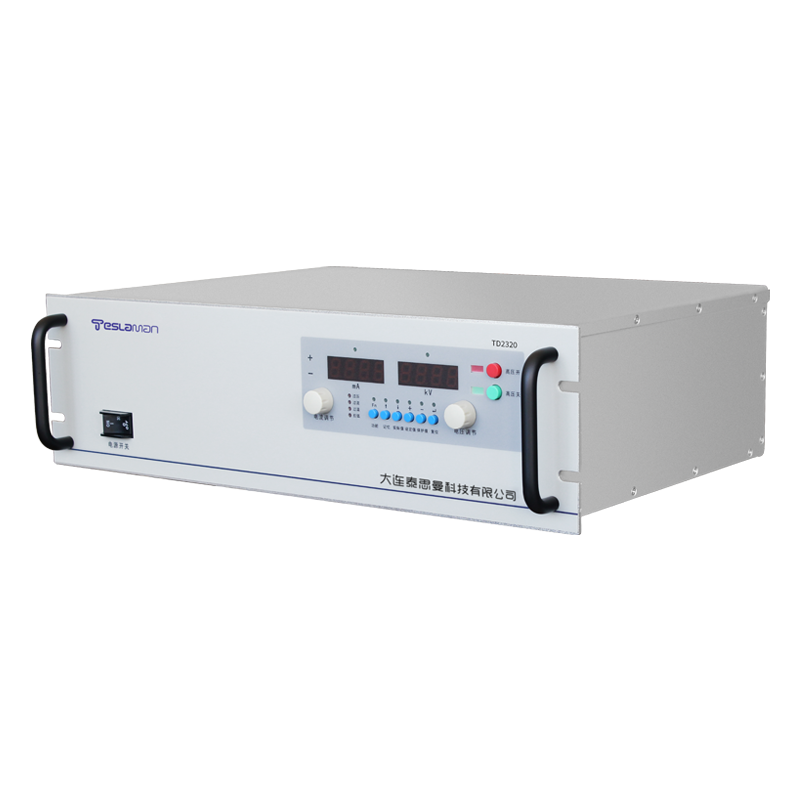
The corona voltage determines the ion current and the charging efficiency. Higher voltages produce more ions and faster charging but may cause sparking that disrupts the separation. The voltage must be optimized for the specific materials being separated. The power supply must provide stable voltage with appropriate current capability for the corona load.
Static electrode design affects the particle deflection and the separation efficiency. The electrode shape, whether cylindrical, planar, or more complex geometry, determines the electric field pattern. The electrode position relative to the corona electrode and the particle trajectory affects the separation. The electrode size must accommodate the throughput requirements while maintaining effective separation.
Rotating drum electrodes are commonly used for electrostatic separation of granular materials. The drum serves as the collecting electrode for charged particles and transports them through the separation zone. The drum rotation speed affects the residence time and the separation efficiency. The drum surface material and finish affect the particle adhesion and release characteristics.
Multiple electrode stages can improve the separation of complex mixtures. A first stage may separate conductors from non-conductors. Subsequent stages can further separate different types of non-conductors based on their triboelectric properties. The electrode configuration for each stage can be optimized for the specific separation task. The overall system design must integrate these stages efficiently.
Particle size affects the electrostatic separation behavior. Larger particles have higher mass and are less affected by the electrostatic forces. Smaller particles have lower inertia and follow the electric field more readily. The electrode design must accommodate the particle size range of the feed material. Classification of the feed by particle size can improve the separation efficiency.
Environmental factors affect the electrode performance and the separation efficiency. Humidity affects the surface conductivity of particles and the corona characteristics. Temperature affects the material properties and the triboelectric charging behavior. Airflow patterns affect the particle trajectory and the separation. The electrode design and the operating parameters must account for these environmental factors.
Maintenance considerations affect the electrode design. The electrodes are subject to wear from particle impact and corrosion from the process environment. The design should facilitate cleaning and replacement of worn components. Accessibility for maintenance should be considered in the overall system layout. The electrode materials should be selected for durability and reasonable cost.