Plasma Coupling Mechanism of High Voltage Power Supply for Microwave Neutralizer in Electric Propulsion System
Electric propulsion systems have revolutionized spacecraft propulsion for deep space missions and satellite station keeping, offering high specific impulse that dramatically reduces propellant consumption compared to chemical rockets. These systems ionize propellant gas and accelerate the ions using electromagnetic fields to produce thrust. A critical component is the neutralizer, which emits electrons to neutralize the ion beam and prevent spacecraft charging. Microwave neutralizers use high frequency electromagnetic fields to generate and sustain the electron emitting plasma, with the high voltage power supply providing the energy for plasma generation. Understanding the plasma coupling mechanism between the power supply and the neutralizer plasma is essential for optimizing the neutralizer efficiency and reliability.
The ion thruster produces a beam of positively charged ions that must be neutralized to prevent the spacecraft from accumulating negative charge. Without neutralization, the spacecraft potential would rise until it inhibits further ion emission, severely limiting the thrust. The neutralizer provides electrons that combine with the ion beam, producing a neutral plasma plume that allows continuous thruster operation. The neutralizer must emit sufficient electrons to balance the ion current, typically requiring electron emission comparable to the beam current.
Microwave neutralizers generate plasma using electromagnetic waves at frequencies typically in the gigahertz range. The microwave energy couples to the propellant gas, ionizing it through electron heating in the electromagnetic fields. The ionization process creates a plasma containing electrons and ions, with the electrons being extracted to neutralize the ion beam. The microwave approach offers advantages including no electrodes that can erode, long lifetime, and operation with various propellant gases.
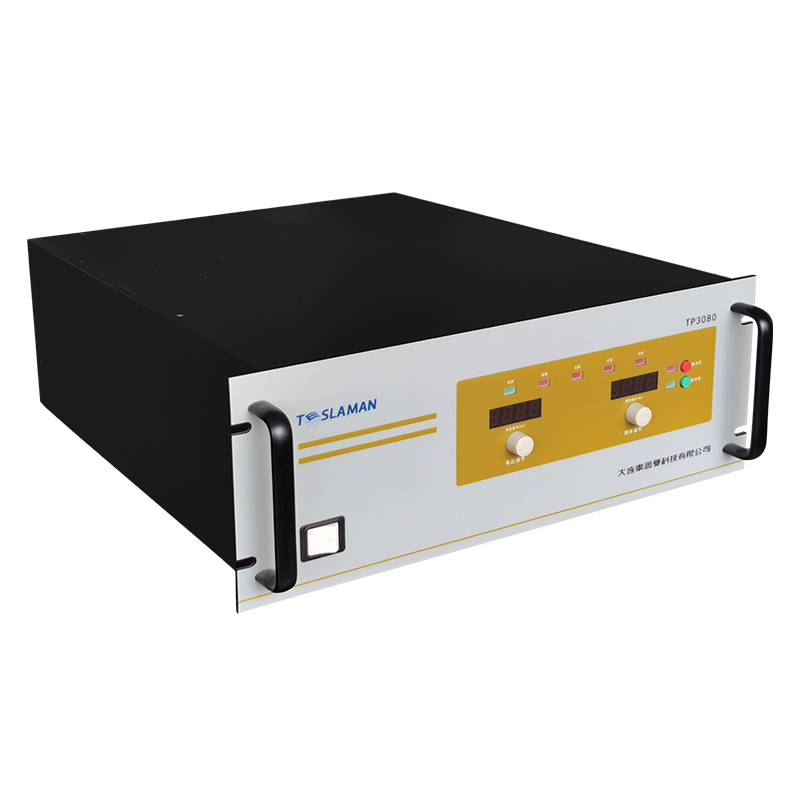
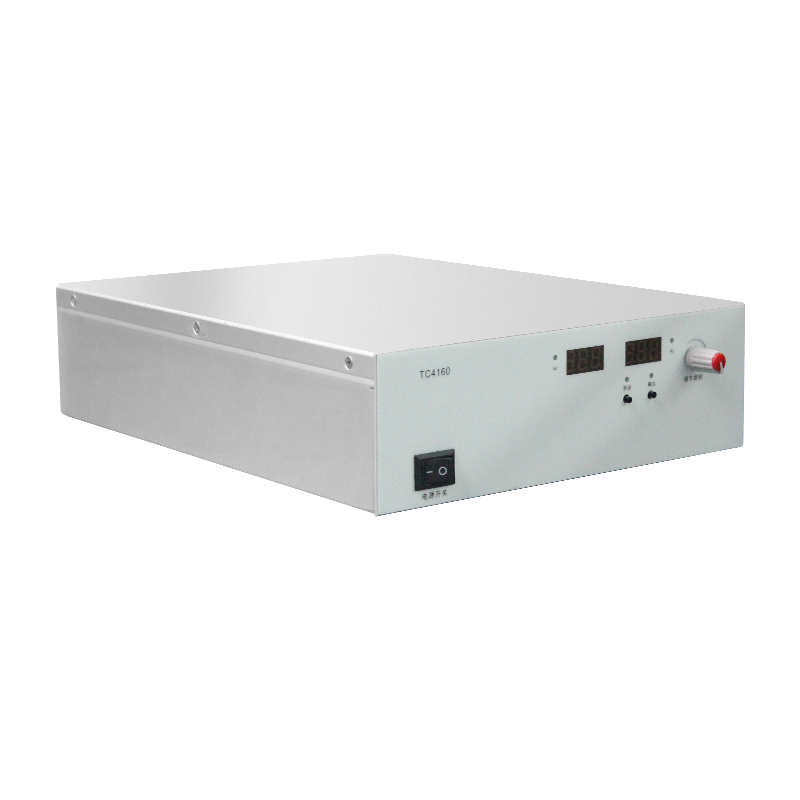
The high voltage power supply for the microwave neutralizer typically provides direct current power to a microwave generator such as a magnetron or solid state amplifier. The supply voltage and current determine the microwave power available for plasma generation. The efficiency of the power conversion from direct current to microwave power, and from microwave power to plasma, determines the overall neutralizer efficiency.
Plasma coupling refers to the transfer of energy from the microwave fields to the plasma electrons. The coupling efficiency depends on the match between the microwave frequency and the plasma characteristics, the electric field distribution in the discharge region, and the plasma density and electron energy distribution. Efficient coupling maximizes the plasma generation for a given microwave power, improving the neutralizer performance.
The plasma frequency, determined by the electron density, affects the microwave propagation in the plasma. Microwaves at frequencies below the plasma frequency cannot propagate and are reflected or absorbed at the plasma boundary. At frequencies above the plasma frequency, the microwaves can propagate through the plasma, with the propagation characteristics depending on the frequency ratio. The plasma density in the neutralizer must be appropriate for the microwave frequency to achieve efficient coupling.
Electron cyclotron resonance can enhance the microwave coupling when the microwave frequency equals the electron cyclotron frequency determined by a magnetic field. At resonance, electrons efficiently absorb energy from the microwave field, increasing the ionization rate. Magnetic fields in the neutralizer can be designed to create resonance conditions in the discharge region, improving the plasma generation efficiency.
The impedance matching between the microwave source and the plasma load affects the power transfer. The plasma presents a complex impedance to the microwave, depending on the plasma properties and the coupling structure geometry. A matching network transforms the plasma impedance to the optimal load impedance for the microwave source, maximizing the power transfer. The matching must accommodate variations in plasma conditions as the neutralizer operates.
The high voltage power supply characteristics affect the microwave generation and the plasma coupling. Voltage stability determines the microwave power stability, with variations causing corresponding variations in plasma density and electron emission. The supply current capability must be sufficient for the peak microwave power requirements. Ripple and noise on the supply can modulate the microwave output, potentially affecting the plasma stability.
Plasma instabilities can affect the coupling and the neutralizer performance. Ionization oscillations, where the plasma density fluctuates as the ionization and loss processes interact, can modulate the electron emission. The oscillation frequency and amplitude depend on the plasma conditions and the neutralizer geometry. The power supply and microwave system must operate stably in the presence of these plasma dynamics.
The electron extraction from the neutralizer plasma involves accelerating electrons through a sheath potential to join the ion beam. The extraction geometry and the plasma conditions determine the electron current that can be drawn. The extracted current must match the ion beam current for effective neutralization. The power supply and plasma conditions must enable the required electron emission over the range of thruster operating conditions.
Thermal management of the neutralizer affects the plasma coupling and the component lifetime. The microwave components and the neutralizer structure experience heating from the microwave power dissipation and the plasma contact. Excessive heating can degrade the microwave coupling or damage components. Cooling systems or thermal design features maintain acceptable temperatures throughout the neutralizer assembly.