Enhancement Effect of High Voltage Electrostatic Field Treatment on Germination Rate of Crop Seeds
The application of high voltage electrostatic fields to agricultural seeds has emerged as a promising physical treatment method for enhancing seed vigor and germination performance without the environmental concerns associated with chemical treatments. This non thermal processing technique exposes seeds to controlled electric field intensities that can modify cellular structures and biochemical processes within the seed, potentially breaking dormancy mechanisms and accelerating the germination process. Understanding the relationship between electrostatic field parameters and germination outcomes enables optimization of treatment protocols for different crop species and seed conditions.
The mechanism by which electrostatic fields influence seed germination involves multiple physical and biological processes operating at different scales within the seed structure. At the cellular level, the applied electric field creates a transmembrane potential across cell membranes that can affect membrane permeability and the transport of ions and molecules essential for germination metabolism. The field may also influence the orientation and behavior of polar molecules within the cell, including enzymes and signaling compounds that regulate the germination process. These cellular effects translate to whole seed responses including accelerated water uptake, earlier enzyme activation, and more rapid embryo growth.
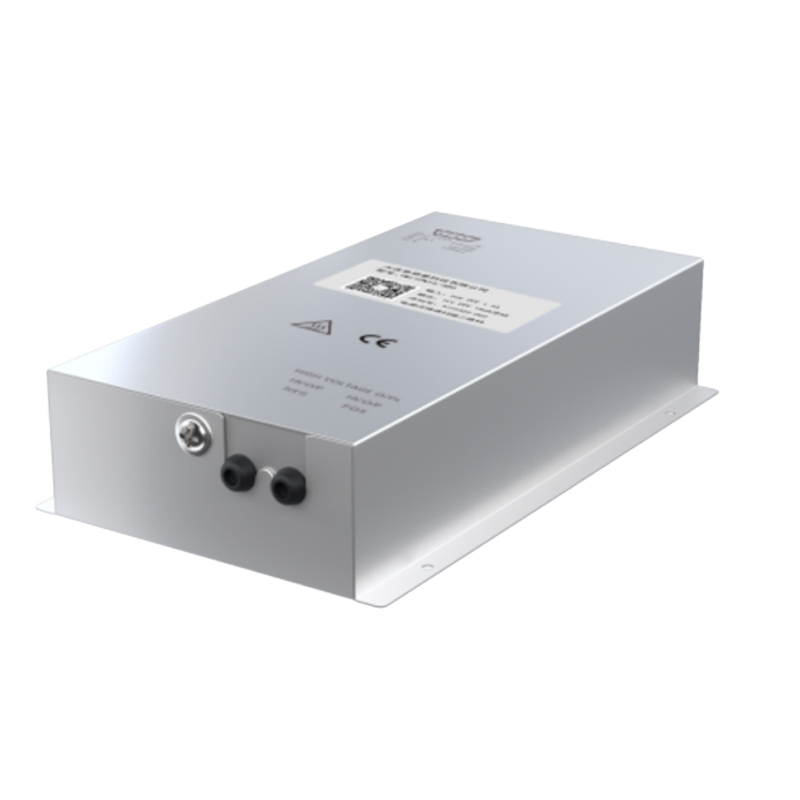
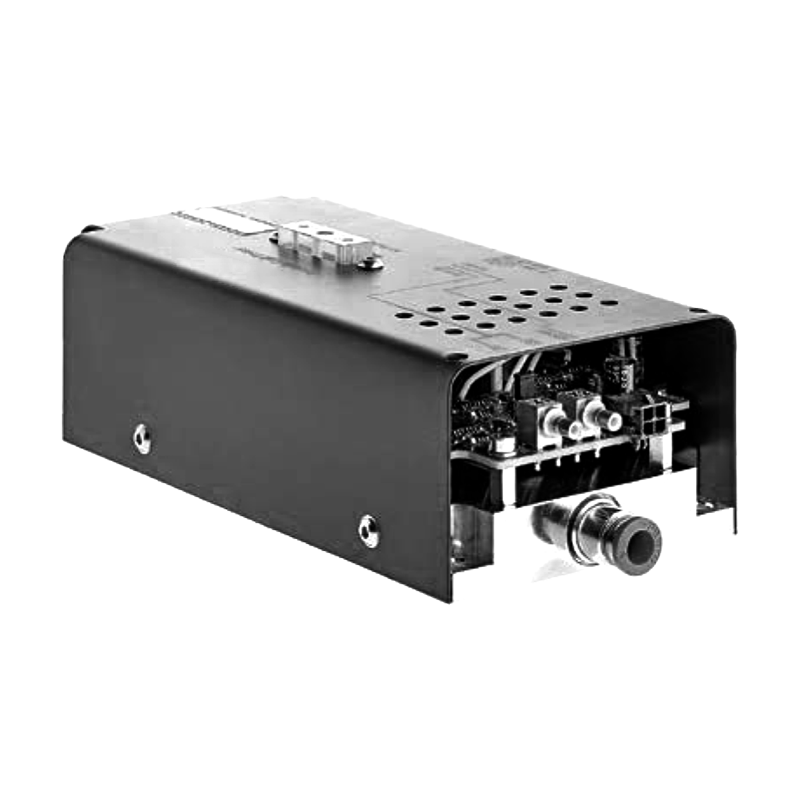
High voltage power supplies for seed treatment applications must provide precisely controlled electric field intensities with specific spatial and temporal characteristics. The field intensity required for germination enhancement typically ranges from several kilovolts per meter to hundreds of kilovolts per meter, depending on the crop species and seed characteristics. Treatment duration varies from seconds to minutes, with the optimal duration depending on field intensity and the desired treatment effect. The power supply must maintain stable output throughout the treatment period, as fluctuations in field intensity could produce inconsistent treatment effects across the seed batch.
The electrode configuration for seed treatment systems determines the electric field distribution and thus the uniformity of treatment across individual seeds and throughout the seed batch. Parallel plate electrodes create approximately uniform fields in the gap region, providing consistent treatment for seeds positioned between the plates. However, the finite size of practical electrodes creates edge effects where the field intensity decreases, potentially undertreating seeds near the electrode edges. Cylindrical electrode geometries produce radially varying fields that require careful seed positioning to ensure uniform exposure.
Seed orientation within the electric field affects the treatment outcome due to the anisotropic structure of many seed types. Seeds with elongated shapes experience different field intensities across their structure depending on their orientation relative to the field direction. The embryo region, which is particularly important for germination, may receive enhanced or reduced field exposure based on seed orientation. Treatment systems may include mechanisms to randomize seed orientation or to align seeds in specific orientations to achieve desired treatment effects.
The moisture content of seeds during electrostatic treatment significantly influences the treatment effectiveness and the mechanisms involved. Dry seeds have low electrical conductivity and can withstand higher field intensities without electrical breakdown, but the lack of mobile charge carriers limits the current flow and associated effects. Seeds with higher moisture content have increased conductivity, enabling greater current flow but also increasing the risk of electrical discharge and thermal effects. Optimal treatment conditions often involve controlled moisture levels that balance these factors.
Temperature rise during electrostatic treatment requires monitoring and control to ensure that germination enhancement results from non thermal mechanisms rather than simple thermal effects. While the power dissipation in properly designed treatment systems is typically low, extended treatment durations or high field intensities can produce measurable temperature increases. Separating the effects of electric field exposure from any accompanying thermal effects requires careful experimental design and appropriate control treatments.
The response of different crop species to electrostatic treatment varies significantly, reflecting differences in seed structure, dormancy mechanisms, and sensitivity to electrical stimulation. Small seeds with thin seed coats generally respond more readily to treatment than large seeds with thick protective layers. Species with strong dormancy mechanisms may show more dramatic germination improvement than those with weak or no dormancy. Understanding species specific responses enables development of optimized treatment protocols tailored to particular crops.
Experimental assessment of germination enhancement requires properly designed germination tests with adequate replication and statistical analysis. Standard germination test protocols provide the basis for comparing treated and control seeds, with measurements including germination percentage, germination rate index, and seedling vigor parameters. Multiple treatment replicates and randomized experimental designs account for natural variability in seed germination and isolate the treatment effect from other factors.
The integration of electrostatic seed treatment into agricultural practice requires consideration of practical factors including treatment throughput, equipment cost, and the economic value of germination improvement. Batch treatment systems can process large quantities of seeds, with throughput depending on treatment duration and equipment capacity. The capital and operating costs of treatment equipment must be justified by the value of improved crop establishment and yield. Scale up from laboratory demonstrations to commercial treatment systems requires engineering development to maintain treatment effectiveness at higher throughput.
Safety considerations for high voltage seed treatment systems include protection of operators from electrical hazards and prevention of equipment damage from electrical faults. Interlocked enclosures prevent operator access to high voltage components during operation. Ground fault detection and automatic shutdown systems respond to insulation failures or other fault conditions. Proper training of personnel operating treatment equipment ensures understanding of hazards and safe operating procedures.