Archaeological Site Fragile Cultural Heritage Electrostatic Tomography Imaging High Voltage Power Supply Mobile Platform Design and Application
The application of electrostatic tomography imaging to fragile cultural heritage at archaeological sites demands specialized high voltage power supplies integrated into mobile platforms capable of field deployment. Archaeological conservation faces unique challenges when dealing with delicate artifacts and structures that cannot be transported to laboratory facilities. Non-invasive imaging techniques provide essential information about internal structure, material composition, and degradation conditions without risking damage through physical intervention.
Electrostatic tomography techniques include electrical impedance tomography, electrical capacitance tomography, and electroquasistatic field mapping methods. Each approach requires controlled application of electrical fields or currents through the examination object, with field patterns detected by sensor arrays surrounding or embedded within the region of interest. The high voltage power supply provides the excitation signals that generate measurable responses in materials with varying electrical properties.
Fragile cultural heritage objects present particular challenges for electrical measurement due to their sensitivity to environmental conditions and mechanical stress. Mural paintings on ancient walls, polychrome sculptures with fragile paint layers, and deteriorating stone monuments require imaging approaches that minimize contact and avoid potentially damaging electrical currents. Electrostatic methods operating at low current levels and controlled voltage amplitudes offer safe alternatives to more invasive investigation techniques.
Mobile platform design for field archaeology applications must address power supply, environmental protection, and operational flexibility requirements. Archaeological sites rarely provide laboratory-grade electrical power, necessitating integrated power generation or battery operation. Dust, humidity, and temperature extremes encountered in field conditions demand robust equipment enclosures and climate control for sensitive electronics. Rapid setup and teardown capabilities enable efficient use of limited excavation time windows.
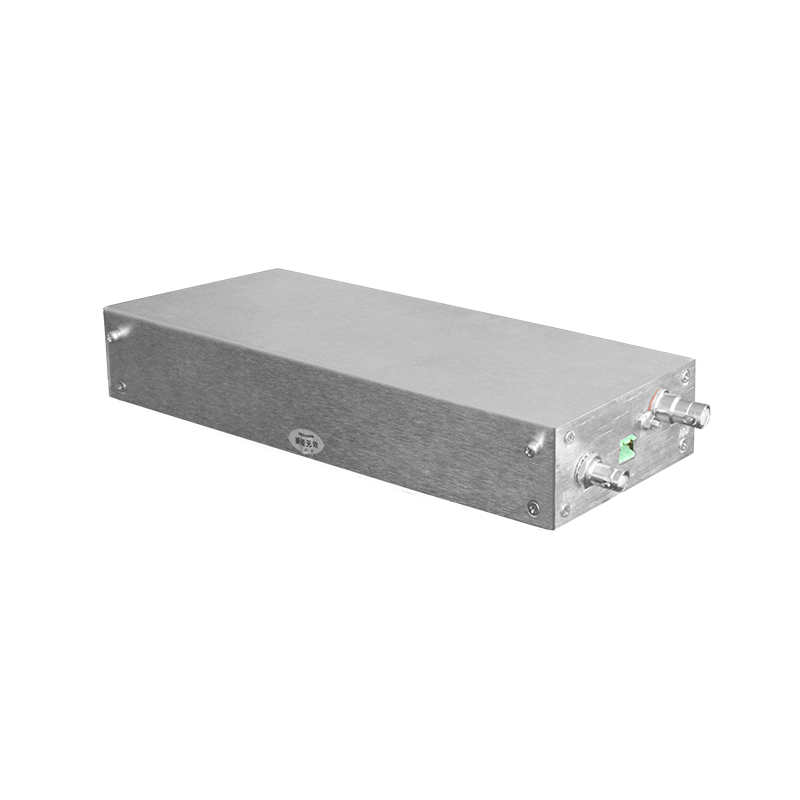
High voltage power supply specifications for electrostatic tomography of cultural heritage differ substantially from industrial applications. Maximum voltage levels typically range from 100 volts to several kilovolts, lower than many industrial imaging systems but sufficient to overcome contact resistance and electrode impedance in field conditions. Current limitation protects fragile materials from thermal or electrochemical damage during measurement sequences. Voltage and current regulation precision ensures consistent excitation across varying load impedances encountered at different measurement locations.
Sinusoidal excitation signals at frequencies from direct current to several hundred kilohertz enable impedance spectroscopy measurements across frequency ranges of interest for material characterization. Frequency selection depends on the electrical properties of target materials and surrounding matrix. Low frequencies penetrate more deeply into conductive materials but may cause polarization effects at electrode interfaces. Higher frequencies reduce polarization artifacts but exhibit shallower penetration in conductive media.
Electrode array design for heritage imaging applications must accommodate irregular object surfaces and minimize contact footprint. Flexible electrode substrates conform to curved surfaces of sculptures and architectural elements. Spring-loaded electrode contacts maintain consistent pressure against irregular surfaces while limiting mechanical stress on fragile materials. Electrode materials selected for chemical inertness prevent contamination of heritage surfaces during measurement contact.
Signal generation circuits for electrostatic tomography require precise control of waveform amplitude, frequency, and phase. Direct digital synthesis provides programmable waveform generation with microhertz frequency resolution and sub-degree phase control. The synthesized signal drives high voltage amplification stages that scale the low voltage waveform to excitation levels required for tomography measurements. Feedback control from output voltage and current sensors enables real-time regulation of excitation parameters.
Multi-frequency excitation approaches enable simultaneous acquisition of impedance data at multiple frequencies, improving measurement efficiency for time-limited field investigations. Composite waveforms containing multiple frequency components can be generated and applied through single excitation periods. Frequency-domain analysis of response signals extracts impedance information at each constituent frequency. Multi-frequency capability adds complexity to signal generation and detection electronics but substantially reduces total measurement time for full frequency sweep characterization.
Data acquisition systems for electrostatic tomography must capture response signals with high resolution and synchronous timing across multiple sensor channels. Simultaneous sampling prevents phase errors between channels that would corrupt tomographic reconstruction. Sampling rates exceed ten times the highest excitation frequency to satisfy Nyquist criteria and enable harmonic analysis for nonlinearity detection. Analog-to-digital converter resolution of 16 to 24 bits provides dynamic range sufficient for weak response signals in the presence of measurement noise.
Tomographic reconstruction algorithms process the acquired measurement data to generate cross-sectional images of electrical property distribution within the examined region. Regularization techniques handle the ill-posed nature of inverse problems inherent in tomography, producing stable solutions from noisy and incomplete measurement data. Iterative reconstruction methods improve image quality at the cost of increased computational time, while direct back-projection methods provide rapid imaging with reduced resolution.
Image interpretation for cultural heritage applications requires collaboration between electrical engineers, conservation scientists, and archaeologists. Anomalies in electrical property distribution may indicate voids, inclusions, delamination zones, or regions of moisture accumulation that threaten preservation. Quantitative interpretation correlates electrical measurements with material properties through calibration against reference samples of known composition and condition.
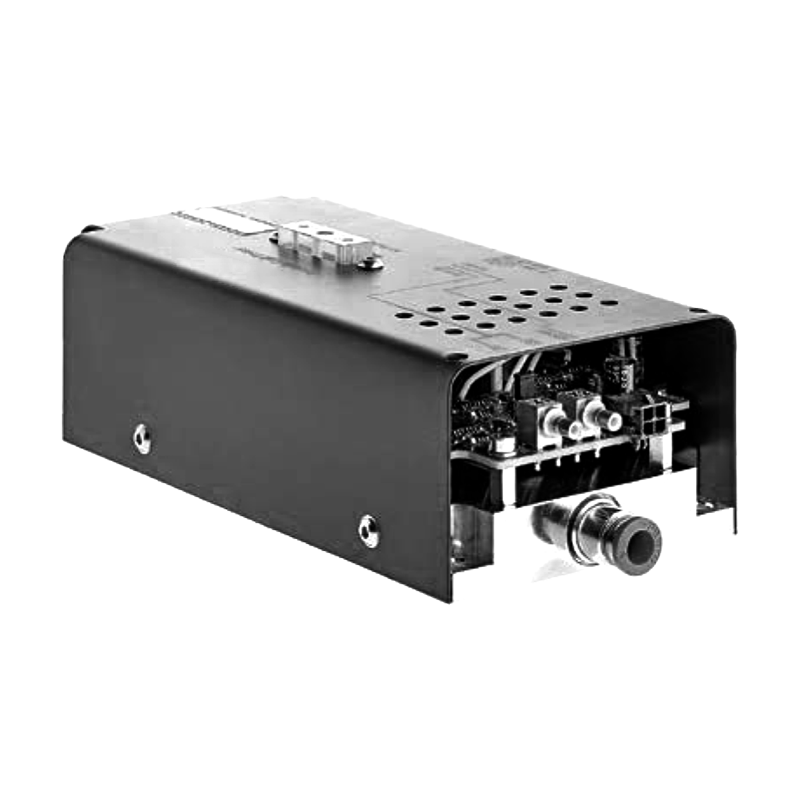
The mobile platform integrates high voltage power supply, signal conditioning, data acquisition, and computational systems into a transportable package. Wheeled or tracked mobility enables navigation across uneven terrain at archaeological sites. Modular construction allows field replacement of failed components without specialized facilities. Weatherproof enclosures protect equipment during transport and operation in exposed conditions.
Operational protocols for heritage imaging establish safety procedures for personnel and protection procedures for examined objects. Ground fault detection and automatic shutdown prevent electrical hazards to operators. Continuous monitoring of current levels during measurement sequences ensures that excitation remains within safe limits for fragile materials. Documentation of measurement conditions enables comparison of results across different investigation campaigns and long-term monitoring of condition changes.