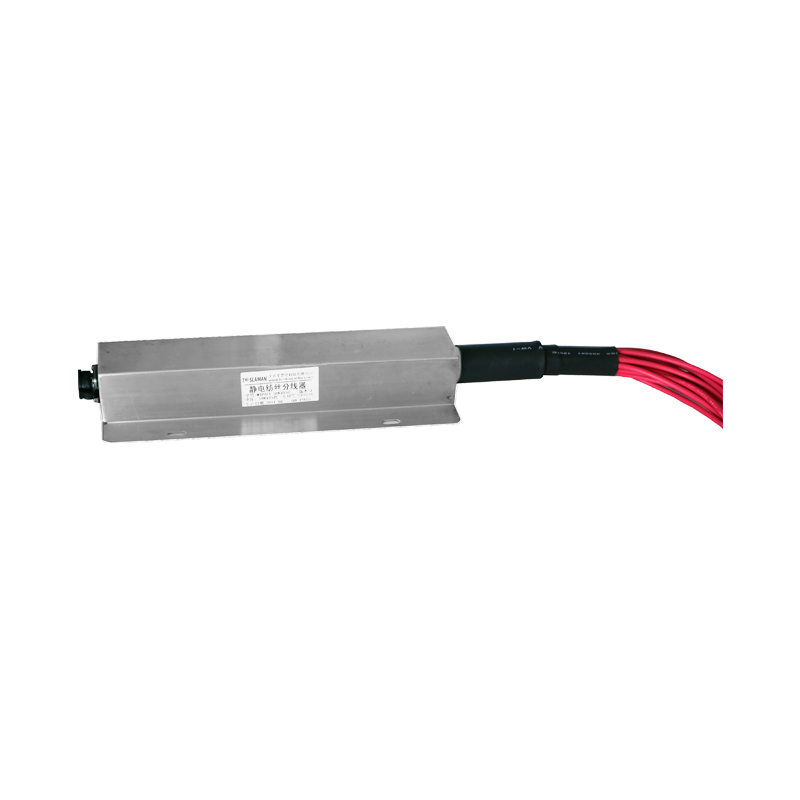
Electrospinning High Voltage Power Supply Multi-channel Parallel Power Supply Technology Exploration
Electrospinning technology has emerged as a versatile method for producing nanofibers with diameters ranging from tens of nanometers to several micrometers, finding applications in tissue engineering, drug delivery, filtration, and numerous other fields. The throughput limitations of single-needle electrospinning have driven exploration of multi-channel parallel configurations that multiply production rates while maintaining fiber quality. High voltage power supply systems for multi-channel electrospinning present unique technical challenges related to channel independence, voltage distribution, and process control that require systematic exploration and innovative solutions. The development of multi-channel electrospinning systems represents a critical step toward commercial-scale production of electrospun nanofibers.
Conventional single-needle electrospinning employs one high voltage power supply connected to a single spinneret, with fibers collected on a grounded or oppositely biased collector. Production rates from single-needle systems typically range from milligrams to grams per hour depending on solution properties and process parameters, insufficient for large-scale production applications. Multi-channel approaches that operate multiple spinnerets simultaneously can multiply throughput proportionally, but require power supply configurations that address the electrical interactions among multiple operating channels. The challenge of scaling electrospinning from laboratory to production requires innovative approaches to power supply design and system configuration.
Parallel power supply configurations for multi-channel electrospinning can employ either independent supplies for each channel or shared supplies with appropriate distribution networks. Independent supplies provide maximum flexibility for channel-specific parameter optimization and isolation between channels, enabling operation of different solutions or different process parameters on different spinnerets. However, independent supplies increase system cost, complexity, and maintenance requirements proportionally with channel count, potentially limiting practical implementation for high channel counts. The trade-off between flexibility and complexity guides the selection of power supply configuration for specific applications.
Shared power supply configurations employ a single high voltage source distributed to multiple spinnerets through appropriate networks. This approach reduces system cost and complexity but introduces challenges related to current distribution among channels and electrical interactions between channels. Differences in solution conductivity, needle geometry, or environmental conditions cause different channels to draw different currents, potentially affecting fiber quality and process stability. Distribution network design must account for these variations to ensure consistent operation across all channels. The design of distribution networks significantly affects the performance of shared-supply multi-channel systems.
Current distribution in parallel electrospinning systems depends on the electrical characteristics of each channel, including solution conductivity, needle diameter, needle-to-collector distance, and local electric field conditions. Channels with lower effective impedance draw higher current, potentially affecting the current available to other channels in shared supply configurations. Active current balancing circuits can equalize current among channels, but add complexity and may not fully compensate for differences in fiber formation characteristics that depend on multiple parameters beyond current. Understanding the factors that affect current distribution enables design of distribution networks that maintain acceptable uniformity across all channels.
Voltage distribution across multiple spinnerets depends on the geometric arrangement and the resulting electric field interactions. Spinnerets positioned close together experience electric field interactions that differ from isolated operation, potentially affecting Taylor cone formation and jet stability. Numerical simulation of electric field distributions enables optimization of spinneret arrangement for uniform field conditions across all channels. Grounded shielding between spinnerets can reduce field interactions but complicates system design and may interfere with solution handling and fiber collection. The electric field interactions among multiple spinnerets require careful consideration in system design.
Multi-needle array configurations represent a common approach to multi-channel electrospinning, where multiple needles are arranged in linear or two-dimensional arrays. Linear arrays simplify collection electrode design and enable straightforward scale-up by extending array length. Two-dimensional arrays maximize throughput within limited footprint but present greater challenges for uniform electric field distribution and fiber collection. Array design must consider needle spacing, orientation relative to collector, and solution delivery to each needle to achieve uniform fiber production across the entire array. The array configuration significantly affects both throughput and uniformity of fiber production.
Needleless electrospinning systems represent an alternative approach to multi-channel production that avoids the complexity of multiple individual needles. These systems employ rotating cylinders, disks, or wires that generate multiple simultaneous jets from a free liquid surface, achieving high throughput without individual needle maintenance. Needleless systems require specialized high voltage power supplies that address the unique electrical characteristics of the rotating electrode configuration, including varying impedance as the electrode rotates through solution and collector regions. The development of needleless electrospinning has significantly advanced the commercial viability of electrospinning technology.
Process monitoring and control in multi-channel electrospinning systems require instrumentation capable of tracking multiple channels simultaneously. Voltage and current monitoring for each channel enables detection of process anomalies that could affect fiber quality. Optical monitoring systems that observe Taylor cone formation and jet behavior across multiple spinnerets provide visual confirmation of proper operation. Data acquisition systems that capture electrical and optical parameters from all channels support process optimization and quality documentation requirements. Comprehensive process monitoring enables consistent quality in multi-channel electrospinning production.
Synchronization and sequencing of multiple channels enable advanced process capabilities beyond simple parallel operation. Sequential activation of channels enables identification of individual channel performance and isolation of channel-specific issues. Staggered timing between channels reduces peak current demands on shared power supply systems. These operational modes require power supply control systems capable of independent channel addressing and timing control. The capability for sophisticated channel control enhances the flexibility and capability of multi-channel electrospinning systems.
The economic viability of multi-channel electrospinning systems depends on achieving throughput increases that justify the additional equipment cost and complexity. Production cost per unit fiber mass typically decreases with increasing throughput up to limits imposed by power supply and system complexity. Understanding the trade-offs between channel count, fiber quality, and system cost enables rational design of production-scale electrospinning installations that balance throughput requirements against economic constraints. The economic analysis guides decisions about system configuration and scale for specific production applications.
The exploration of multi-channel parallel power supply technology for electrospinning continues to advance through ongoing research and development efforts. Innovations in power supply design, distribution networks, and control systems address the technical challenges of multi-channel operation while enabling throughput improvements that support commercial-scale production of electrospun nanofibers. These advances contribute to the maturation of electrospinning from laboratory technique to industrial production method for diverse applications in materials science and biomedical engineering.