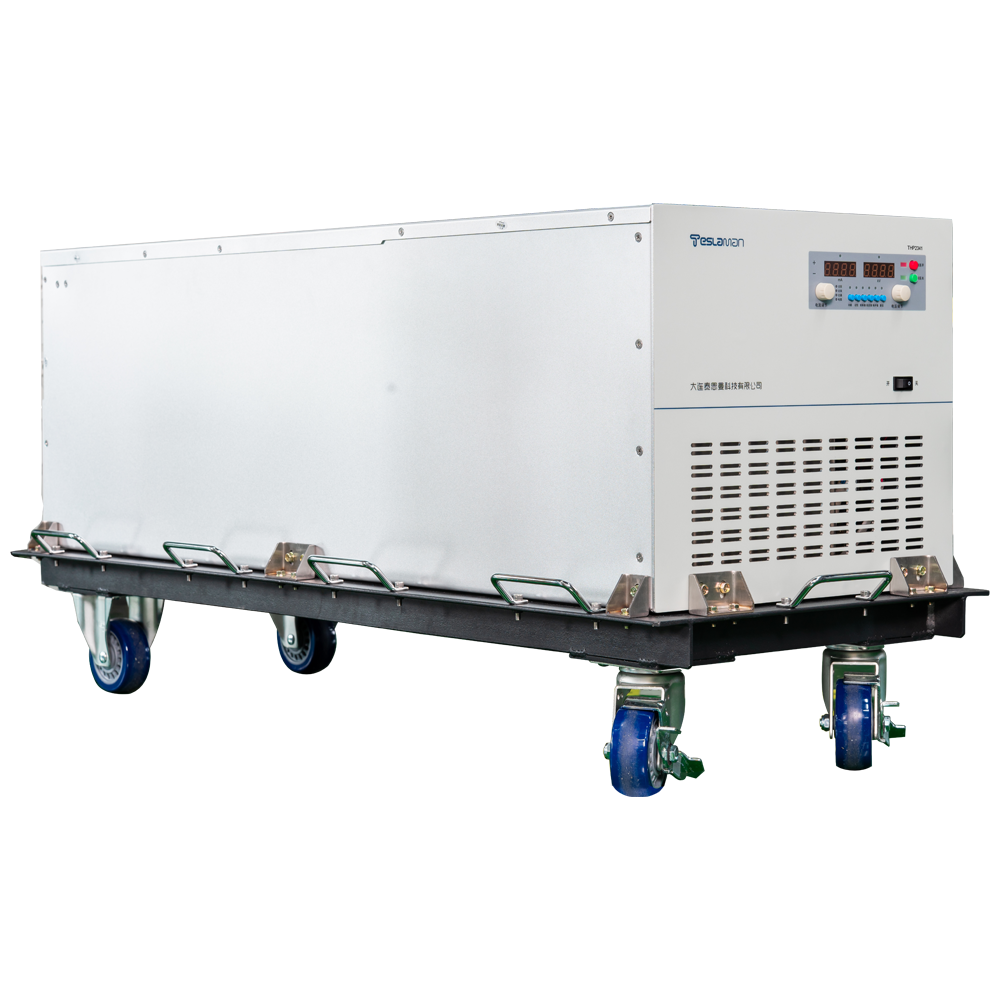
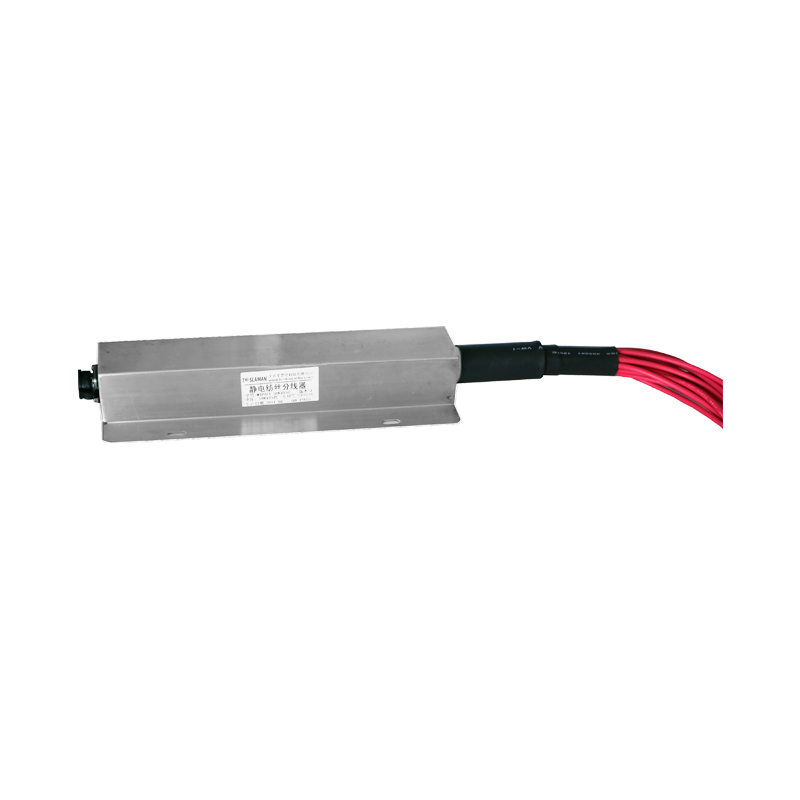
Polarity-Switchable High Voltage Power Supply Flexibility in Multi-Process Production Lines
Modern industrial production lines increasingly require flexibility to accommodate diverse processes, varied product configurations, and changing market demands. Polarity-switchable high voltage power supplies provide essential capability for multi-process production environments where different operations require opposite polarity voltages or where polarity reversal serves process functions. Understanding the design considerations, operational characteristics, and application requirements for polarity-switchable supplies enables effective deployment in sophisticated manufacturing systems. The flexibility provided by polarity-switchable capability supports production economics by enabling single power supply installations to serve multiple process requirements without equipment changeover.
The fundamental challenge of polarity-switchable high voltage power supply design involves reversing the output voltage polarity while maintaining the stability, precision, and reliability characteristics expected from unipolar supplies. Output polarity reversal can be achieved through various circuit topologies, each offering particular advantages and limitations for specific application requirements. The selection of polarity switching approach profoundly influences supply complexity, cost, switching speed, and reliability characteristics. Design optimization requires thorough understanding of application requirements and available topology options.
Electromechanical polarity switching employs high voltage relays or contactors to physically reconfigure output connections, reversing the polarity delivered to the load. This approach offers simplicity in the power supply design itself, as the fundamental DC supply remains unipolar. However, electromechanical switching requires substantial time for relay operation and introduces mechanical wear mechanisms that limit lifetime and reliability. Arcing at relay contacts during switching transitions generates electromagnetic interference and potentially degrades relay contacts over time, requiring periodic maintenance or replacement. Electromechanical approaches suit applications where polarity switching occurs infrequently and switching speed is not critical.
Electronic polarity switching eliminates mechanical components through solid-state switching devices configured to reverse output connections upon command. Electronic approaches achieve substantially faster switching times than electromechanical alternatives, enabling process sequences requiring rapid polarity reversal. However, electronic switching circuits introduce additional voltage drop, efficiency loss, and potential failure modes that must be addressed in system design. Series-connected switching devices may be required to withstand full output voltage, increasing component count and complexity. Electronic switching enables sophisticated control capabilities including variable switching speed and transient management.
Bridge output configurations enable polarity reversal through control of switching device conduction patterns, similar to techniques employed in motor drive systems. Full-bridge output stages can generate either polarity output from a unipolar internal DC bus, providing seamless polarity switching without dedicated reversal mechanisms. However, bridge configurations require twice the number of switching devices compared with unipolar designs, affecting cost and reliability considerations. Bridge topologies enable rapid polarity switching suitable for dynamic process applications where switching occurs frequently throughout operation.
Switching speed requirements vary dramatically among applications, from processes where polarity reversal occurs only occasionally during process changeover to applications where rapid polarity switching constitutes a fundamental process element. High-speed switching applications demand power supply designs optimized for rapid transition, with considerations including energy storage in output circuits, switching device characteristics, and control system bandwidth. The energy stored in load capacitance must be managed during switching transitions to prevent voltage overshoot or excessive stress on switching devices. Switching speed optimization requires balancing transient performance against reliability and cost considerations.
Output stability during polarity transitions affects process quality for applications requiring switching during active processing. Some polarity-switching supplies exhibit transient perturbations during switching that could affect sensitive processes. Advanced designs implement smooth transition algorithms that minimize output disturbances, maintaining process quality through polarity reversal events. Feedthrough of switching transients to output circuits requires careful attention to circuit layout, shielding, and control timing. Stability during transitions determines suitability for applications where switching occurs during critical process phases.
Process control integration enables coordination of polarity switching with other process parameters to achieve desired results. Digital communication interfaces allow production control systems to command polarity selection based upon process recipes, product identification, or operator selection. Status feedback confirms polarity state and provides diagnostic information for production monitoring and quality assurance documentation. Integration capabilities determine suitability for automated production environments where human intervention during normal operation is impractical.
Current limiting during polarity transitions protects both power supply components and load equipment from stress associated with rapid voltage change. Load capacitance and inductance characteristics determine the transient current flows that occur during switching events. Power supply designs incorporate current limiting circuits that constrain peak currents to safe values while achieving switching speed appropriate for application requirements. Current limiting strategies must balance protection effectiveness against impact on switching speed and overall process performance.
Reliability considerations for polarity-switchable supplies extend beyond those for unipolar designs due to the additional components and complexity required for polarity reversal. Switching devices experience stress during polarity transitions, including voltage transients, current surges, and thermal cycling. Component derating, thermal management, and protective circuits ensure reliable operation throughout expected equipment lifetime under anticipated switching frequency conditions. Reliability analysis must account for accumulated stress from repeated switching cycles throughout equipment lifetime.
Applications in electrochemical processing often require polarity switching for electrode cleaning, process reversal, or product property control. Electroplating systems may employ periodic polarity reversal to modify deposit characteristics or clean electrodes. Anodizing processes may require polarity changes for different process stages. Etching and cleaning applications frequently use polarity alternation to enhance process effectiveness through bidirectional current flow. Understanding specific application requirements enables optimization of polarity-switching characteristics for particular process needs.
Charging and discharging applications utilize polarity switching to alternate between charging cycles and discharge testing or conditioning operations. Battery formation processes may require multiple polarity reversals during initial conditioning cycles. Capacitor testing and conditioning often employ alternating polarity to verify symmetrical performance characteristics. Dielectric testing may require both polarity testing to identify polarity-dependent failure modes. The diverse applications for polarity-switchable capability demonstrate the versatility of these power supply designs.
Installation and commissioning of polarity-switchable power supplies require verification of proper operation in both polarity states. Calibration procedures must confirm that voltage accuracy, stability, and ripple characteristics meet specifications for both positive and negative outputs. Switching function tests verify proper transition operation at specified speeds without excessive transient generation. Load testing confirms capability to deliver rated current in both polarity configurations. Comprehensive commissioning procedures ensure that installed power supplies will perform reliably throughout equipment lifetime.