Electrostatic Flocking High Voltage Power Supply Voltage Parameters in Functional Textile Development
Electrostatic flocking processes employed in functional textile development require precisely controlled high voltage power supplies to achieve optimal fiber orientation, coating density, and adhesion characteristics. The voltage parameters selected for the flocking operation directly influence the quality and functionality of the finished textile product, making thorough understanding of voltage effects essential for successful process development.
The basic principle of electrostatic flocking involves the application of high voltage, typically ranging from 30 to 100 kilovolts, to create an electric field that orients and propels short fibers toward an adhesive-coated substrate. Fibers entering the electric field become charged through various mechanisms including triboelectric effects, corona charging, or direct contact with charged electrodes. The resulting fiber motion produces a velvet-like surface with fibers oriented perpendicular to the substrate when proper voltage parameters are employed.
Voltage magnitude effects on flocking quality operate through multiple mechanisms that must be considered holistically. Higher voltages produce stronger electric fields that increase the force accelerating fibers toward the substrate, potentially improving orientation and reducing processing time. However, excessive voltages can cause fiber charge saturation, arcing, or adhesive degradation that degrades product quality. The optimal voltage depends on fiber length, diameter, and dielectric properties as well as substrate characteristics and adhesive properties.
The polarity selection for electrostatic flocking applications significantly affects fiber charging behavior and final product characteristics. Positive polarity operation tends to produce different fiber orientation distributions compared to negative polarity due to asymmetries in the triboelectric charging process. The optimal polarity depends on the specific fiber material and the charge polarity it preferentially accepts during triboelectric or corona charging processes.
Voltage waveform characteristics influence fiber motion and charging dynamics throughout the flocking process. Direct current voltages produce steady-state electric fields that provide consistent fiber acceleration but may lead to space charge effects that modify the field distribution near the substrate. Pulsed voltage waveforms can produce enhanced fiber orientation through time-varying field effects and may reduce arcing tendency by providing off periods for charge dissipation.
Ripple voltage superimposed on the DC output affects fiber behavior through modulation of the electric field strength during the transit time from electrode to substrate. At typical flocking distances of several centimeters and fiber transit times measured in milliseconds, ripple frequencies above a few hundred hertz have minimal effect on fiber orientation. Lower frequency ripple, however, produces field strength variations that may affect fiber alignment uniformity.
The relationship between applied voltage and fiber density achieved in the flocking process involves complex interactions between fiber charging, electric field distribution, and substrate adhesion. Higher voltages produce greater fiber flux toward the substrate, but this effect saturates as fiber density increases and the adhesive becomes saturated. Optimal voltage parameters maximize fiber density achievable within the adhesive capacity while maintaining uniform orientation.
Voltage ramp profiles during process startup influence the initial fiber deposition pattern and overall coating uniformity. Sudden application of full voltage can produce high initial fiber flux that may exceed adhesive capacity, resulting in poor adhesion for the first deposited fibers. Gradual voltage ramping allows the adhesive surface to become populated gradually, potentially improving overall coating quality and adhesion strength.
Multi-electrode flocking configurations employing multiple high voltage power supplies enable advanced process control for functional textile development. Independent control of voltage applied to different electrode zones allows spatial variation of fiber deposition characteristics across the substrate surface. Such capability proves valuable for producing textiles with graded functional properties or patterned surface textures.
Current monitoring during electrostatic flocking provides valuable process information that complements voltage measurement. The total current flowing from the high voltage electrode correlates with fiber flux, though the relationship depends on fiber charging efficiency and electrode geometry. Deviations from normal current levels may indicate process upsets such as fiber supply interruption, electrode contamination, or environmental changes affecting fiber charging.
Environmental conditions including temperature, humidity, and atmospheric pressure significantly influence the optimal voltage parameters for electrostatic flocking. Humidity effects on fiber charging and adhesive tack properties may require voltage adjustment to maintain consistent product quality as ambient conditions change. Process development studies should characterize voltage parameter sensitivity to environmental factors to enable appropriate process control strategies.
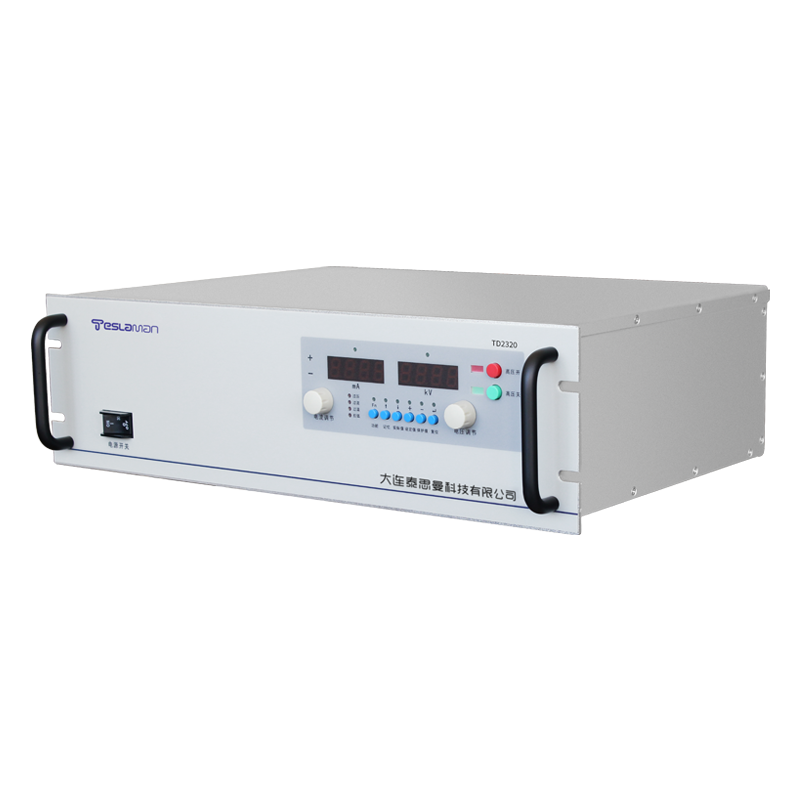
Safety considerations for high voltage flocking systems require attention to the substantial energy levels present in typical installations. Stored energy in high voltage power supplies and associated cabling can deliver dangerous electrical shocks if personnel come into contact with energized conductors. Interlock systems that disable high voltage when access doors are open, warning indicators showing high voltage status, and training of operators in high voltage safety practices are essential elements of safe flocking operation.
The development of functional textiles with specialized properties such as enhanced moisture wicking, thermal insulation, or antimicrobial activity through electrostatic flocking processes continues to advance. Each new application may require specific voltage parameter optimization to achieve the desired fiber characteristics and coating performance. Systematic characterization of voltage effects enables efficient development of new flocking processes for emerging functional textile applications.