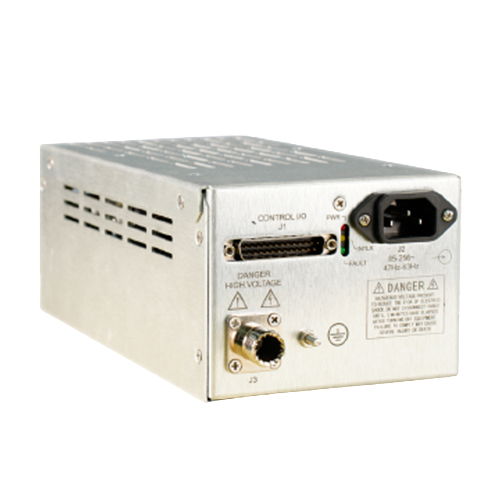
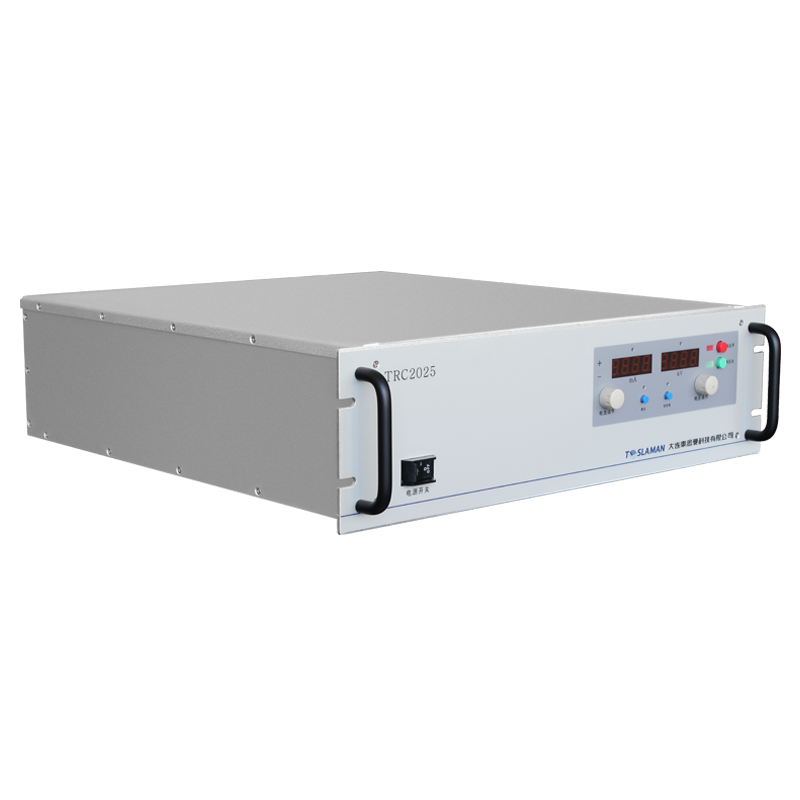
Electrostatic Spraying High Voltage Power Supply Energy Saving Application in Environmental Coating Equipment
Environmental coating processes increasingly emphasize energy efficiency alongside coating quality and throughput performance. Electrostatic spraying systems offer inherent efficiency advantages through improved transfer efficiency, but the energy consumption of high voltage power supplies remains a significant component of total system energy use. Advanced power supply designs incorporating energy-saving features enable electrostatic coating operations to minimize environmental impact while maintaining coating quality and production efficiency.
Transfer efficiency in electrostatic spraying represents the fraction of coating material that reaches and adheres to the target substrate. Properly designed electrostatic systems achieve transfer efficiencies exceeding 90 percent compared to 40 to 60 percent for conventional non-electrostatic spraying. This improvement directly reduces coating material consumption and associated environmental impacts. High voltage power supply characteristics influence transfer efficiency through their effect on particle charging and field distribution.
Particle charging efficiency depends on the electric field strength and configuration in the charging zone. Higher voltages generally improve charging efficiency up to the point where corona onset or sparking occurs. Power supply voltage optimization maximizes charging efficiency while avoiding energy waste from excessive field strength. Intelligent power supplies automatically optimize voltage levels based on coating material properties and substrate characteristics.
Energy consumption in electrostatic spraying power supplies includes core losses from transformer magnetization, switching losses in power conversion circuits, and conduction losses in output circuits. Each loss component varies with operating conditions including output voltage, current, and ambient temperature. Advanced power supply designs minimize each loss component through optimized component selection, efficient topologies, and intelligent control strategies.
Standby mode operation significantly impacts energy consumption in coating facilities with intermittent production. When coating operations pause between parts or batches, power supplies can enter reduced-power standby modes while maintaining readiness for rapid resumption. Standby power consumption in modern electrostatic power supplies falls below 10 watts compared to hundreds of watts during active operation. Automatic standby activation reduces energy waste during production gaps.
Power factor correction improves the quality of electrical power drawn from the utility supply, reducing both energy consumption and utility demand charges. Electrostatic spraying power supplies with active power factor correction achieve power factors above 0.95, minimizing reactive power and associated losses. This capability becomes increasingly important as utility power factor penalties and demand charges increase.
Efficiency optimization across the operating range requires attention to performance at partial load conditions. Electrostatic spraying systems often operate at varying power levels depending on coating requirements and target geometries. Power supplies with flat efficiency curves maintain high efficiency throughout the operating range rather than only at full load. Advanced designs achieve efficiency above 90 percent from 20 percent to 100 percent of rated output.
Thermal management efficiency affects overall energy consumption through cooling system power requirements. Power supplies generate heat that must be removed to maintain safe operating temperatures. Efficient designs minimize heat generation, reducing cooling system energy consumption. Passive cooling designs eliminate cooling fan energy consumption entirely for lower-power applications.
Regenerative energy recovery capabilities enable capture of energy returned from the load during certain operating conditions. Capacitive loads store energy that returns to the power supply during voltage reduction or polarity switching. Regenerative designs capture this energy rather than dissipating it as heat, improving overall efficiency. This capability becomes significant in applications with frequent voltage changes or dynamic load conditions.
Soft-start capabilities reduce energy surge at power-up and minimize stress on electrical infrastructure. Rather than drawing full inrush current at startup, soft-start circuits gradually ramp up power supply operation. This controlled startup reduces peak demand charges and prevents voltage dips that might affect other equipment. Soft-start also extends component lifetime by reducing thermal and electrical stress during startup.
Harmonic distortion from power supply switching can affect power quality in facility electrical systems. High harmonic content increases losses in transformers, cables, and other electrical equipment. Electrostatic spraying power supplies with low harmonic distortion minimize these secondary energy losses throughout the facility electrical system. Advanced designs achieve total harmonic distortion below 5 percent at rated load.
Demand response capabilities enable electrostatic coating operations to participate in utility demand management programs. During peak demand periods, power supplies can temporarily reduce output or enter standby mode to reduce facility electrical demand. Demand response participation generates utility bill credits while supporting grid stability. These capabilities require power supplies with rapid response to demand response signals.
Energy monitoring features provide visibility into power supply energy consumption for optimization and reporting purposes. Built-in power measurement circuits track energy usage during coating operations. This data supports energy management programs and sustainability reporting. Historical energy data enables trend analysis and identification of optimization opportunities.
Variable frequency operation optimizes efficiency under different load conditions. Power supply switching frequency affects the balance between switching losses and conduction losses. Variable frequency control adjusts switching frequency to minimize total losses based on operating conditions. This optimization improves efficiency across the operating range without sacrificing performance.
Integration with facility energy management systems enables coordinated optimization across multiple equipment types. Electrostatic coating power supplies communicate energy consumption data to central energy management systems. Coordinated control optimizes total facility energy consumption rather than optimizing individual equipment in isolation. This systems approach achieves greater total energy savings than individual equipment optimization.
Lifecycle energy analysis considers total energy consumption throughout the equipment lifetime, including manufacturing energy, operating energy, and end-of-life energy. Energy-efficient designs reduce operating energy consumption, which typically dominates lifecycle energy use. Extended equipment lifetime through robust design and protection features reduces the frequency of replacement, reducing manufacturing and disposal energy consumption over time.
Safety system integration ensures that electrostatic coating power supplies operate safely within their intended applications. Interlock systems prevent operation when safety conditions are not met. Fault detection systems identify potentially hazardous conditions before they cause incidents. Emergency shutdown systems provide rapid termination capability when needed. Safety integration requires coordination between power supply design and overall system safety architecture.
Training requirements for electrostatic coating operations include power supply operation and safety procedures. Operators must understand both routine operation and emergency procedures. Training programs ensure that personnel can operate equipment safely and effectively. Competency verification confirms that training objectives have been achieved.
Warranty and service considerations affect the total cost of ownership for electrostatic coating power supplies. Warranty terms define coverage periods and conditions. Service availability affects downtime duration when repairs are required. Remote diagnostics capabilities enable rapid troubleshooting. Service considerations complement initial purchase price in total cost analysis.